2026 Honda Passport: More Adventurous Than Ever

The once immensely popular two-row midsize SUV segment is becoming less and less attractive to families. In fact, some manufacturers have jumped ship or given their products a whole new purpose. The Ford Edge and Toyota Venza are no more, the latest Hyundai Santa Fe (now with standard three-row seating) is a complete departure from its predecessor, and the next-generation Subaru Outback won’t look like the wagon it used to be.
Considering the success of the Toyota 4Runner, Ford Bronco and Jeep Wrangler, Honda has decided to take the Passport in a new direction for 2026, albeit without too many drastic changes from a technical standpoint. The idea is to combine the versatility and capability of a rugged, adventurous SUV with the comfort and civility of a road-going crossover.
- Also: 2026 Honda Passport TrailSport Puts Toyota’s New 4Runner on Notice
- Also: Watch: 2026 Honda Passport Putting Toyota 4Runner in Crosshairs
In a segment that also includes the Volkswagen Atlas Cross Sport, Chevrolet Blazer, Jeep Grand Cherokee and Nissan Murano, the latter all-new for 2025, the 2026 Honda Passport is one of the rare midsize SUVs to still offer a six-cylinder engine. Its biggest and most direct rival, however, is unquestionably the 4Runner, which is fresh off a complete redesign and should keep selling in droves.
Out of the Pilot’s Shadow?
The Passport has so far been regarded by many as a two-row variant of the Pilot, which is nearly three times more popular among shoppers. It’s not necessarily cheaper than its big brother, and most people don’t see enough reasons to buy one—kind of like the Mazda CX-70 and CX-90.
While not denying that the Passport is indeed derived from the Pilot, Honda is taking a very different approach for the second-generation model, creating more separation between customers looking for a family-oriented SUV and those looking for a versatile, adventurous vehicle.
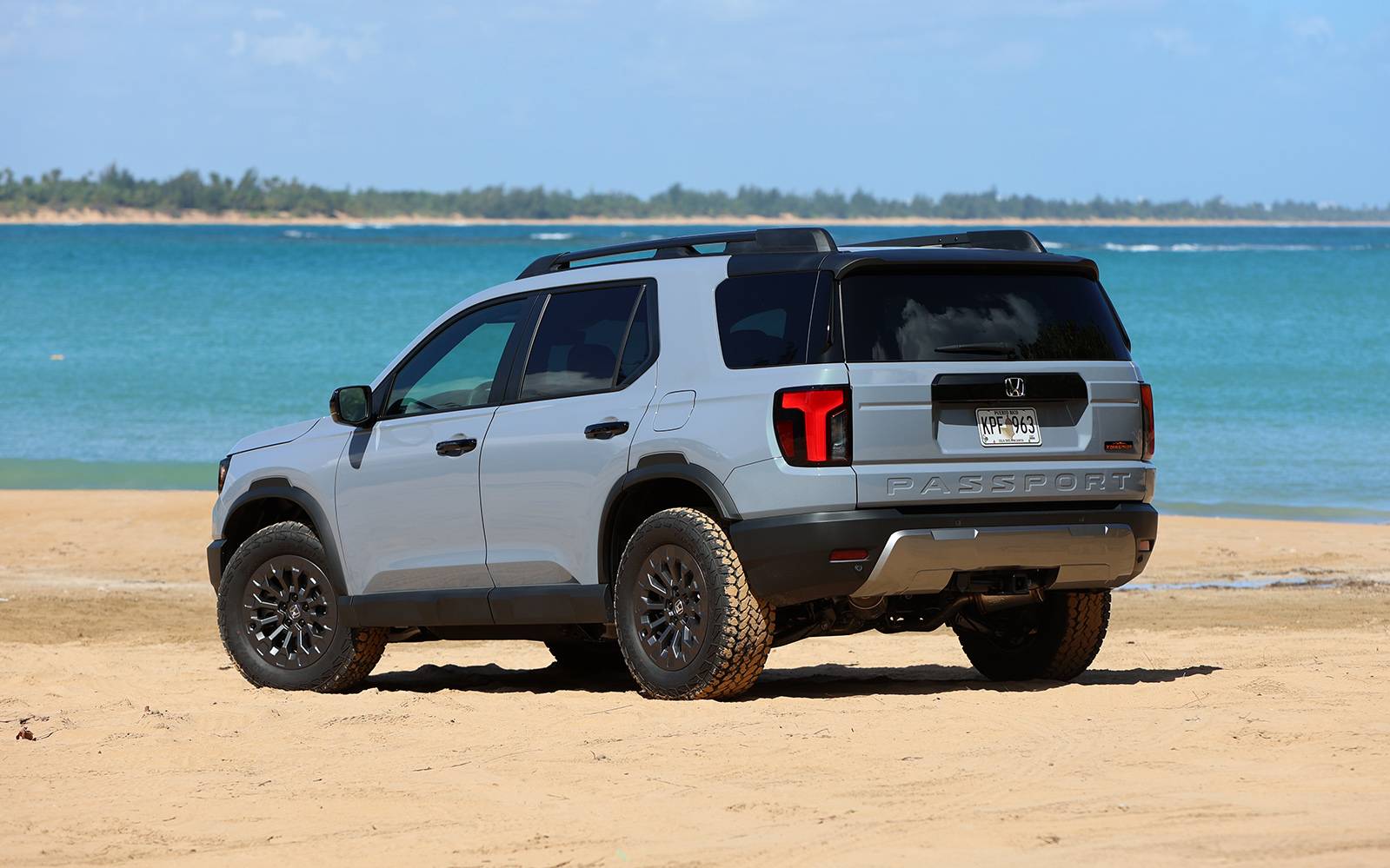
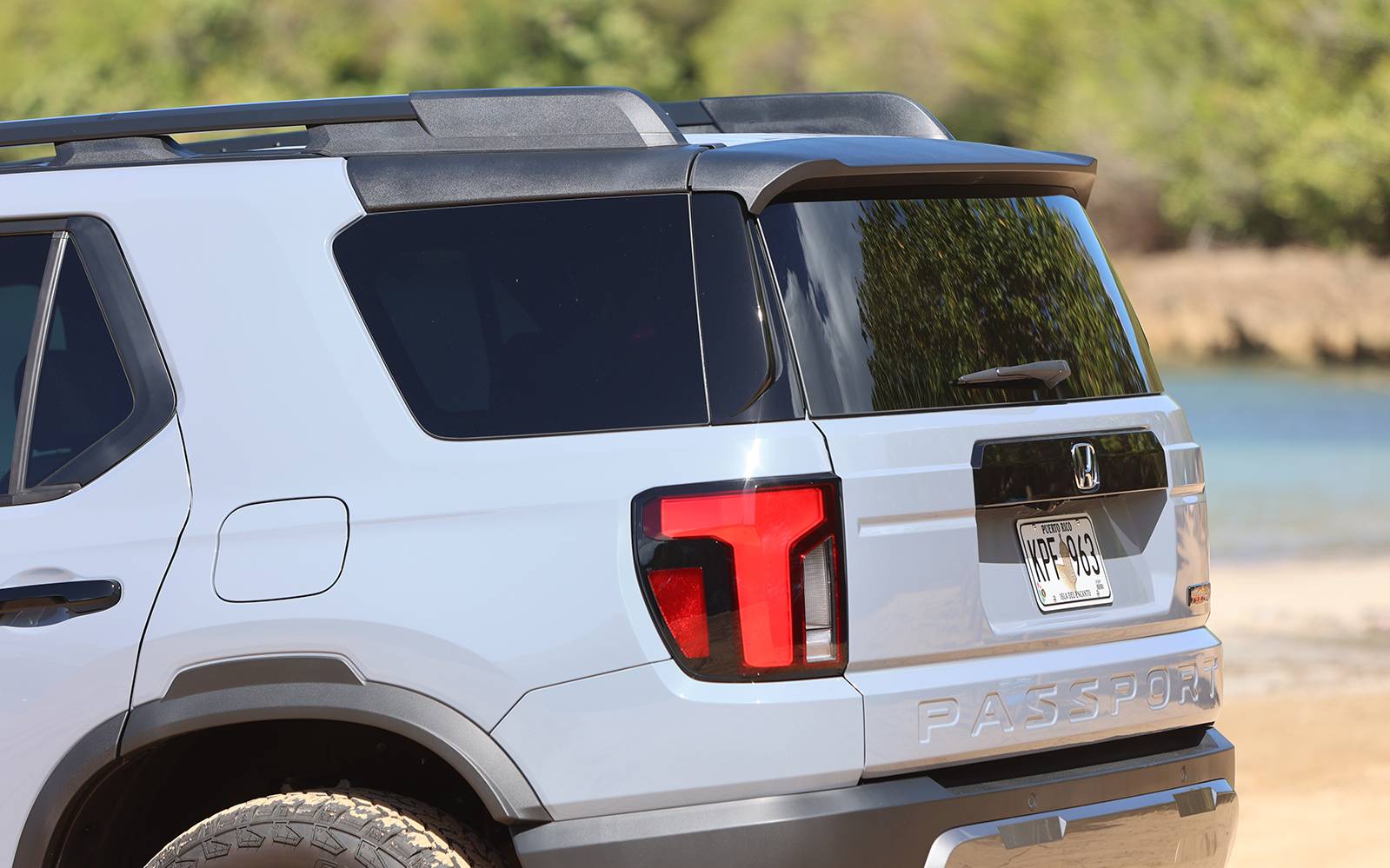
Don't be surprised if the new 2026 Passport still uses the same chassis, engine and many of the same technical components as the Pilot. If you look closely, you'll see that everything between the A- and C-pillars is identical, too. On the other hand, designers have completely reworked the front end, with angular lines, a hood scoop and amber-coloured daytime running lights contributing to a more rugged appearance. The same goes for the rear end, which looks boxy and chunky, complete with a satin black finish on the roof.
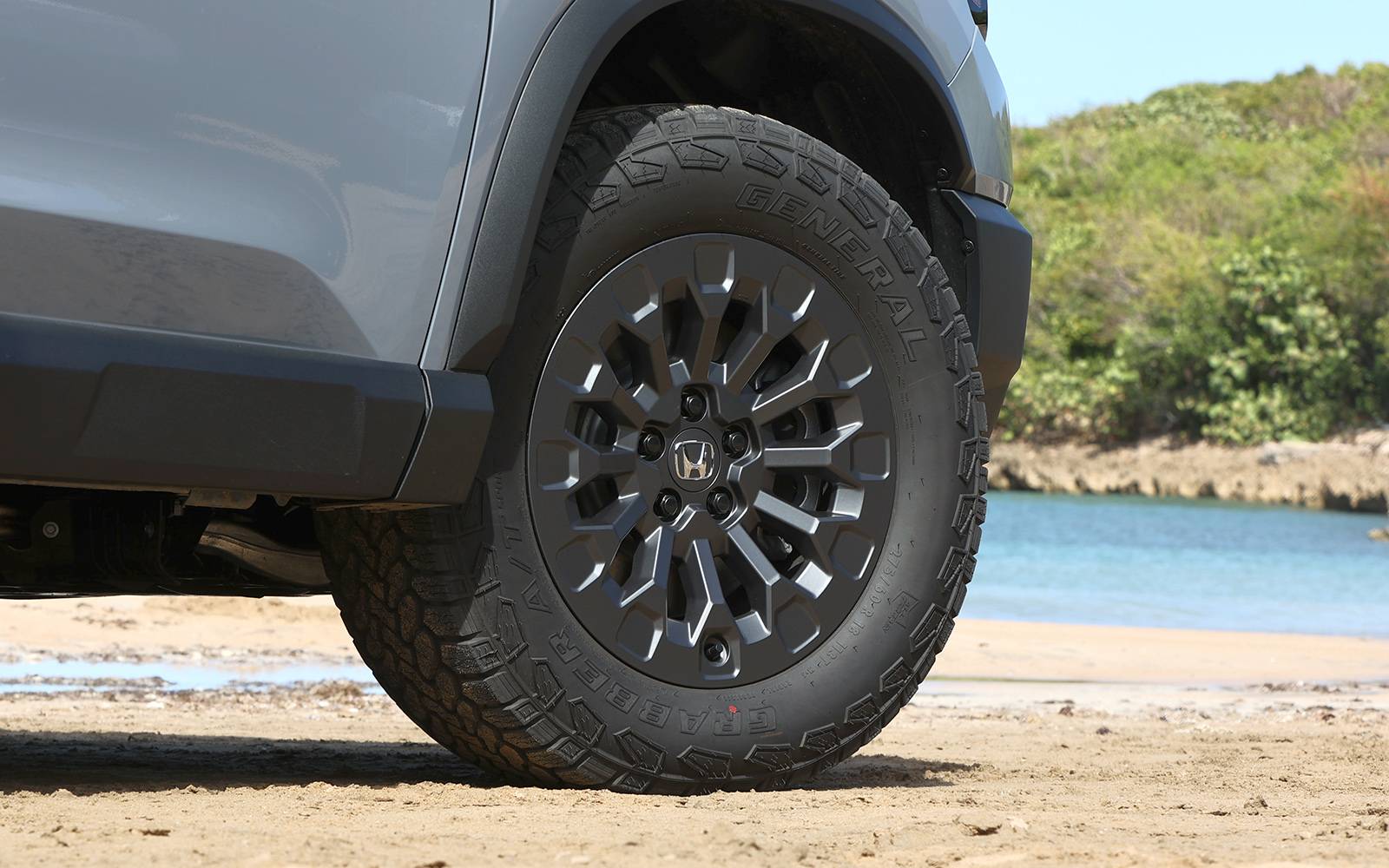
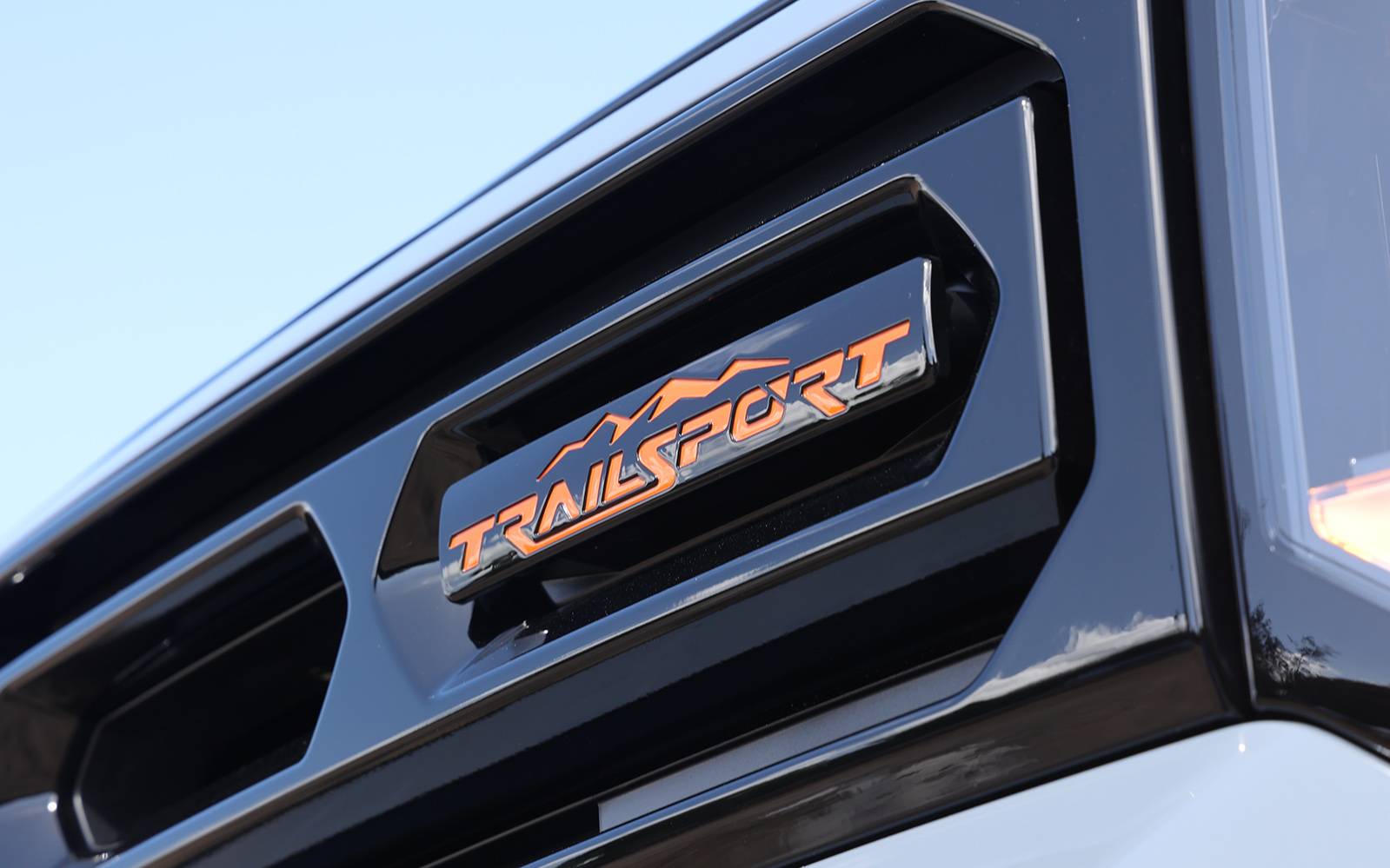
All Canadian-spec units are now identified as TrailSport models, featuring a number of TrailSport-specific design cues. Examples include the 18-inch wheels, orange logos and tow hooks, large roof rack, bumpers with metallic accents and underbody skid plates. For those who crave a darker look, Honda offers a Blackout package.
Beefier and More Capable
As you may remember, the Passport was first launched in 1993 as a clone of the Isuzu Rodeo exclusively for the U.S. market. That vehicle never made it across the Canadian border, but it effectively allowed Honda to strike back at the popular Ford Explorer, Jeep Grand Cherokee, Nissan Pathfinder and Toyota 4runner. The company stopped selling it in 2002, then brought it back for the 2019 model year as an in-house product.
This time around, Honda isn’t just following the parade. It’s redefining the Passport and giving it more character, which we're sure will be particularly appreciated by drivers who aren't always fond of turbocharged four-cylinders. Sharing its wheelbase with the Pilot, the Passport boasts smaller overhangs and therefore better approach and departure angles (31 and 31.1 degrees, respectively).
Riding on General Grabber A/T tires, it can also be fitted with a dealer-installed HPD (Honda Performance Division) package, which includes a number of cosmetic upgrades (exclusive wheels, black hood decal and more) as well as rocker panel protection. Many enthusiasts are likely going to want to check that box.
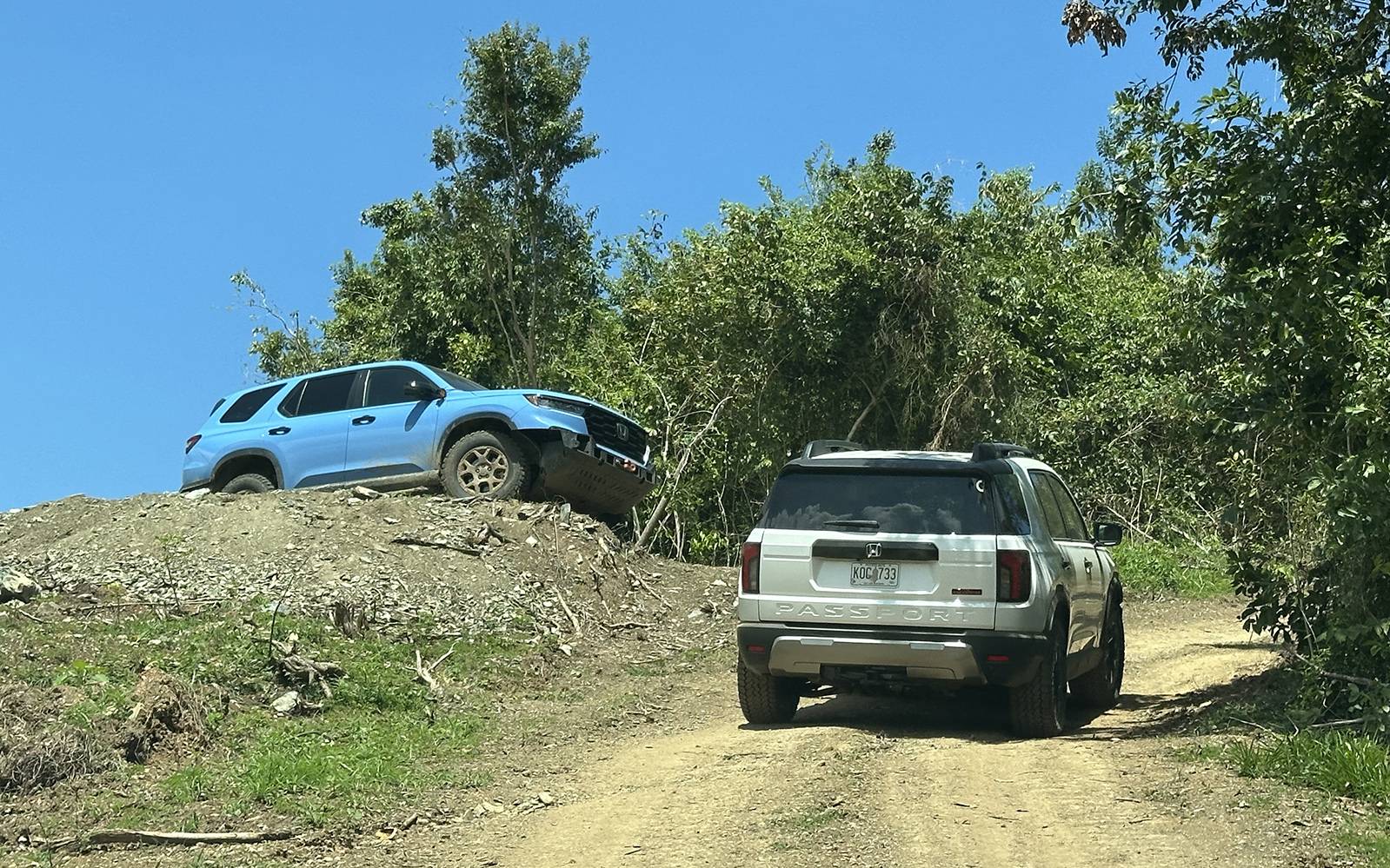
The 2026 Passport media drive event took place at a special off-road course—a first for Honda, which had never really offered adventure-oriented SUVs and trucks before. The goal, of course, was to showcase the vehicle’s capabilities and various drive modes, including Hill Descent Control and Trail mode, complete with an inclinometer and altimeter on the digital instrument panel. The TrailWatch camera shows you what lies ahead when you can’t see, something that proves very handy on steep climbs and loose terrain.
A series of challenges in sandy patches and muddy terrain revealed the benefits of the TrailSport-specific all-terrain tires. In the U.S., by the way, RTL models designed for standard road use are available, even with the option of front-wheel drive. They wouldn’t enjoy much success north of the border, as Honda Canada explained to us. The company also acknowledged that the range-topping TrailSport models will be more profitable.
Flexible 3.5-litre Engine
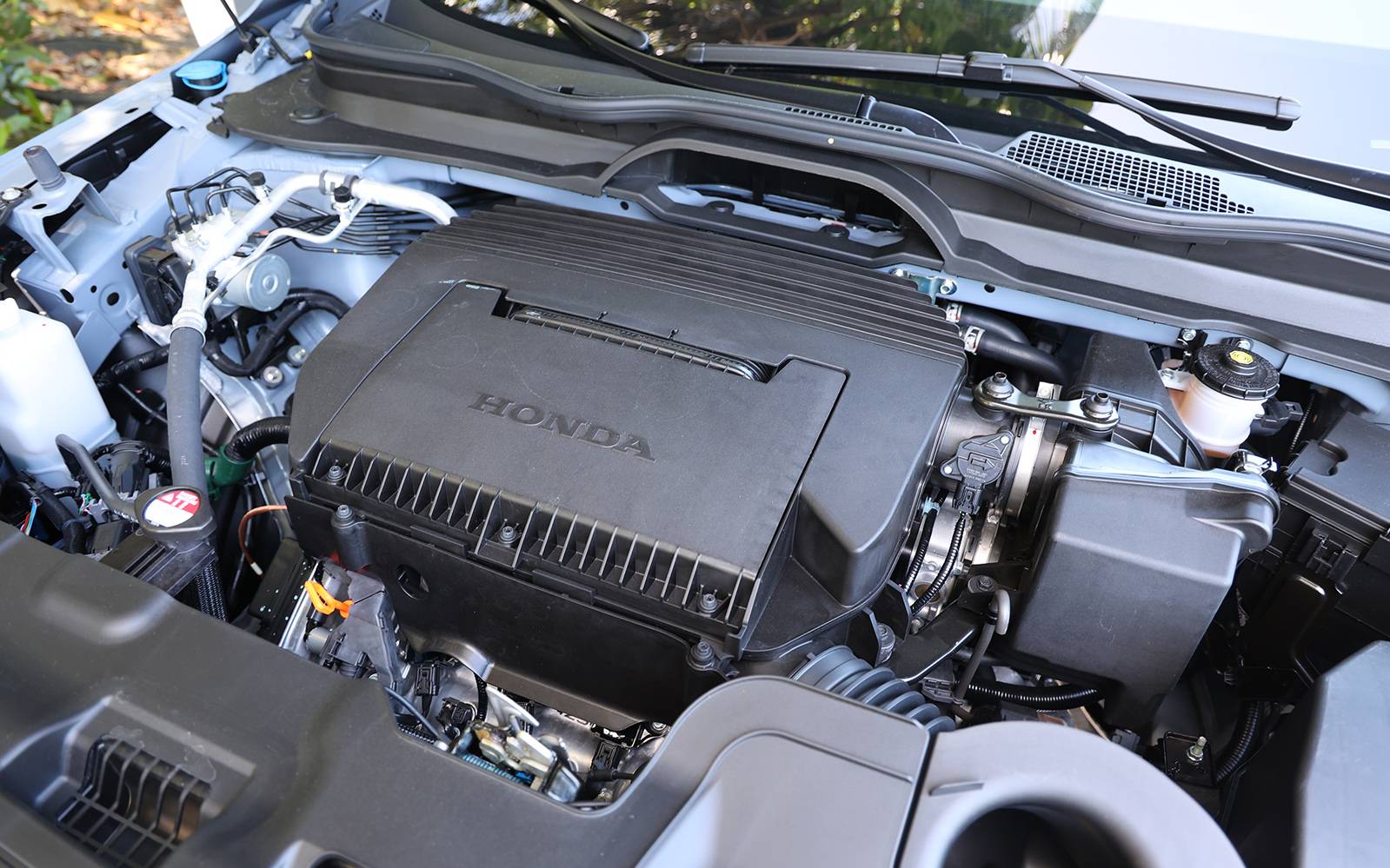
Honda’s familiar 3.5-litre V6, which is shared with the Pilot, Odyssey and Ridgeline, returns for 2026. The Passport gets 5 extra horsepower for a total of 285 horsepower, which is quite respectable. On the flip side, peak torque is considerably lower than that of the Toyota 4Runner's turbocharged four-cylinder engine (262 lb-ft vs. 317 lb-ft). But you know what? The V6 is almost as fuel-efficient, posting a combined rating of 11.4 L/100 km including 9.9 L/100 km on the highway.
The remarkable smoothness and flexibility of the engine make for a much more pleasant ride, especially at cruising speeds. The V6 also sounds great under acceleration and keeps a low profile the rest of the time. Admittedly, the 10-speed automatic gearbox could use some fine-tuning—we noticed some hesitations at times when downshifting. That never occurred in more extreme situations, mind you, with the transmission’s S mode positively improving performance and efficiency. You even have the ability to shift gears manually, which can be useful on steep inclines.
As for on-road driving dynamics, without a doubt the greatest asset of the new 2026 Honda Passport, the ride is comfortable and quiet despite the use of firmer dampers, while steering remains highly precise. Naturally, it doesn’t feel like you're driving a Ford Bronco or some other dedicated off-roader, but that’s the point—striking the perfect balance between on- and off-road performance. Remember, very few drivers will exploit the full potential of their machine.
Room to Spare
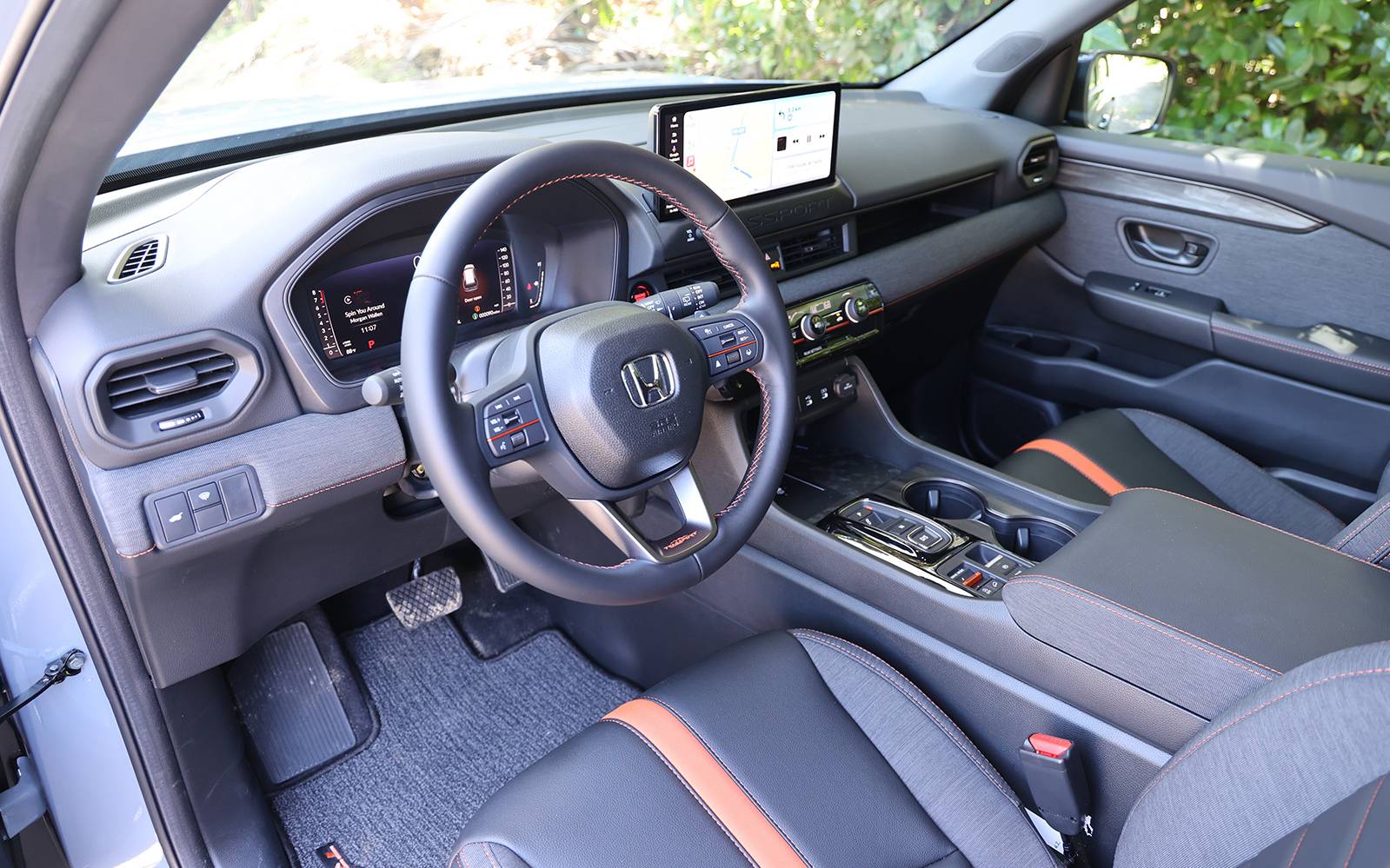
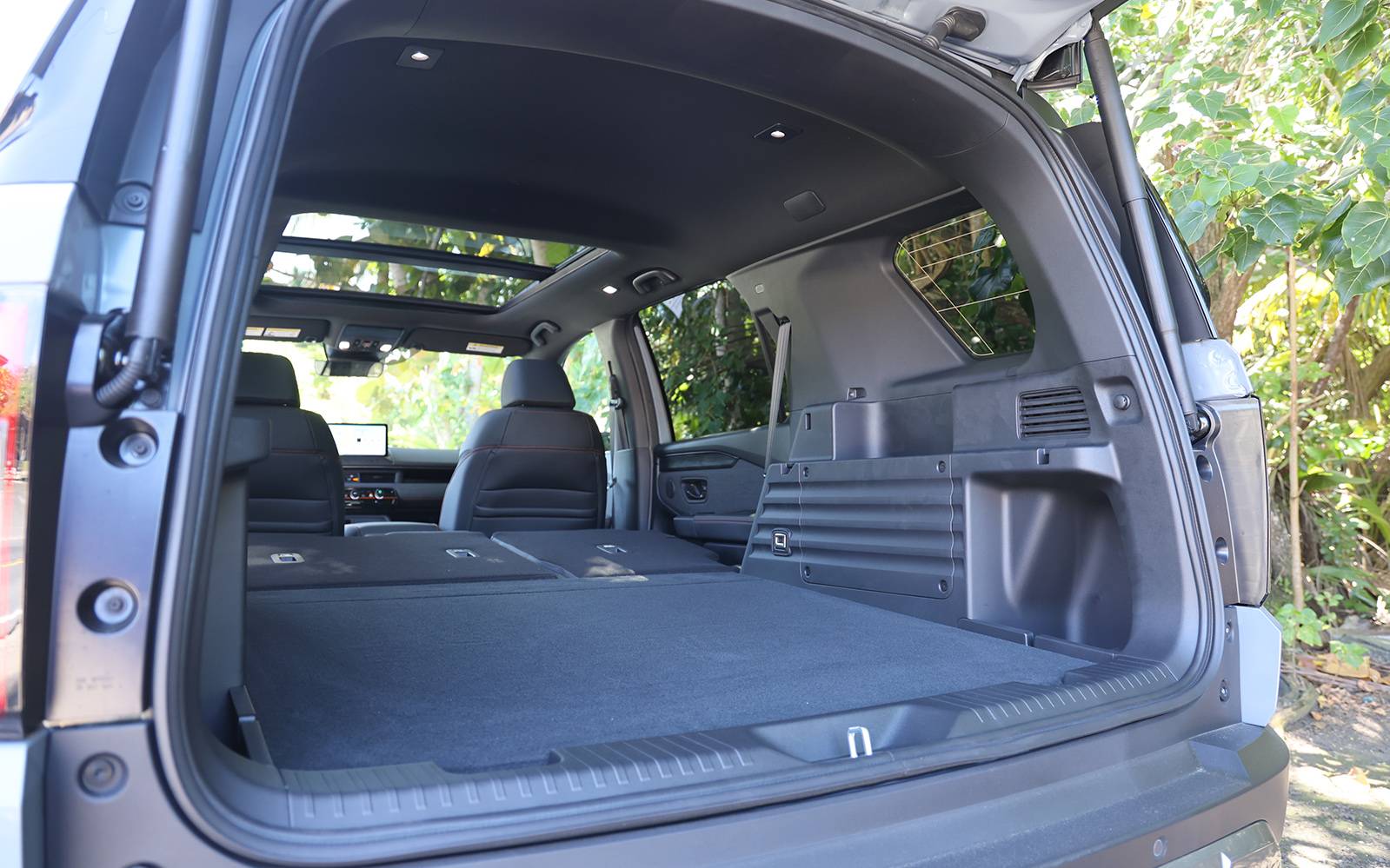
The Passport’s redesign includes countless storage solutions along with one of the largest cargo areas in the segment. There are 1,246 litres of room behind the rear seat, which folds flat to expand cargo capacity to 2,356 litres. You’ll have no trouble packing stuff for long trips or camping. What's more, the rear bench can easily accommodate three booster seats. Up front, the driver’s cockpit is rather plain and understated, with only a few orange accents and TrailSport logos to report about.
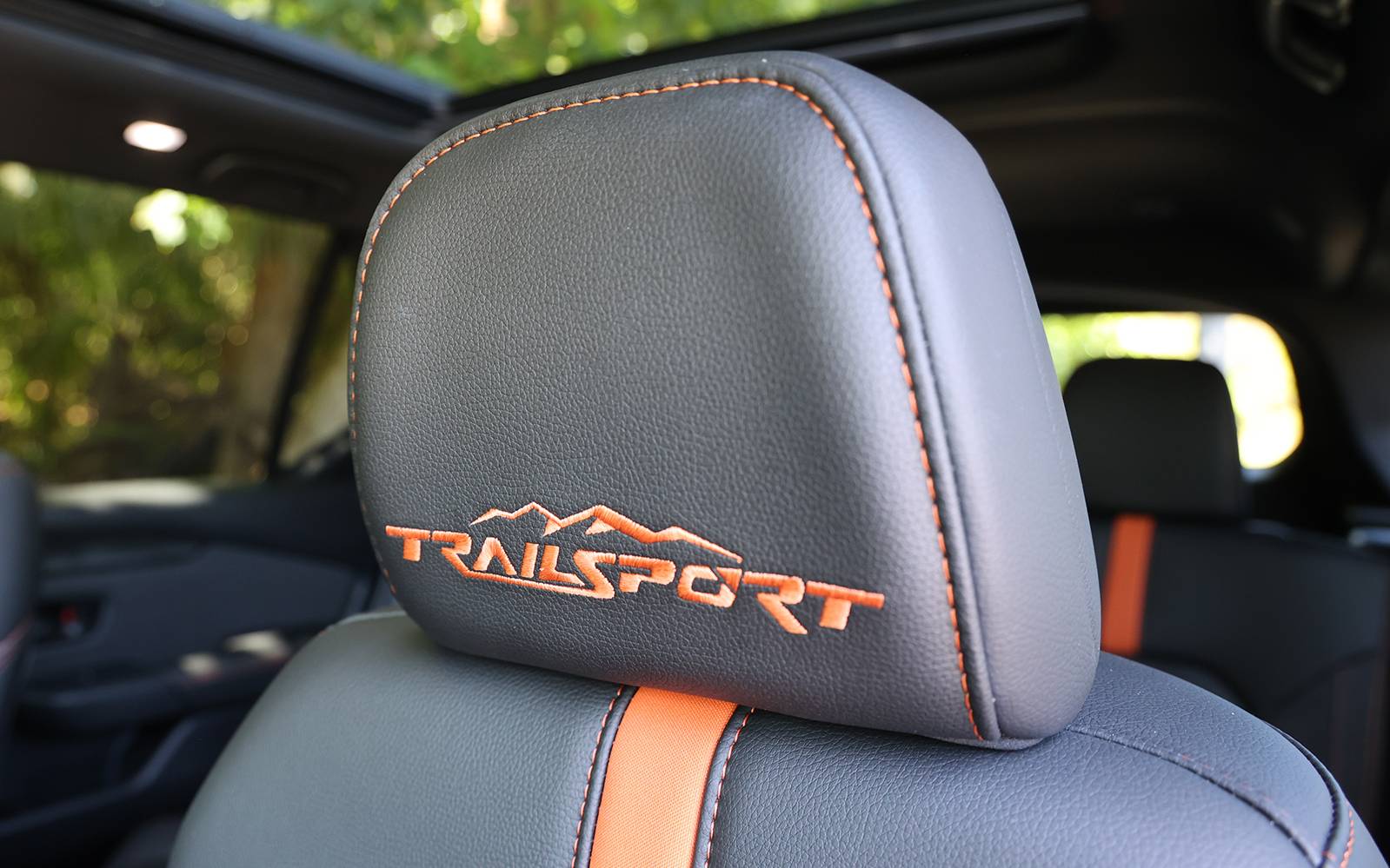
When selecting the Touring package, you get perforated leather upholstery with beautiful topstitching, as well as configurable ambient lighting. This is in addition to the 12-speaker Bose audio system, ventilated front seats and rear-seat heating controls. Standard content is very generous, including a panoramic sunroof, wireless smartphone charger and 9-inch centre touchscreen with wireless Apple CarPlay and Android Auto.
How Much?
The 2026 Honda Passport is expected to carry an all-inclusive base price of around $60,000. Add another $4,000 for the Touring package. Tariffs and counter-tariffs imposed by the U.S. and Canadian governments could change Honda Canada’s plans, however. Official pricing details will be announced on April 4, with the first units arriving in dealerships as we speak.
A few hundred dollars more won’t change how good the new Passport is, but this situation shows how automakers have to deal with elements beyond their control. Just so you know, most rivals starting with the Toyota 4Runner are built in the U.S. just like the Passport.
Ultimately, here we have a midsize SUV that is more focused and more accomplished than before. It also has more character and is likely to appeal to more buyers. Let’s hope dealers will be able to keep up with demand, because that has long been a problem for vehicles assembled at the Lincoln plant in Alabama.
Watch: Honda Unveils All-New 2026 Passport TrailSport
| Test drive report | |
| Test model | N/A |
|---|---|
| Trim level | Trailsport Touring |
| Price range | N/A |
| Price as tested | N/A |
| Warranty (basic) | 3 years/60,000 km |
| Warranty (powertrain) | 5 years/100,000 km |
| Fuel economy (city/highway/observed) | 12,6 / 9,9 / N/A L/100km |
| Options | N/A |
| Competitive models | 2025 Ford Bronco, 2025 Toyota 4Runner, 2025 Hyundai Santa Fe, 2025 Jeep Wrangler, 2025 Jeep Grand Cherokee |
| Strong points |
|
| Weak points |
|
| Editor's rating | |
| Fuel economy | Despite still using a V6, the Passport’s fuel consumption ratings are on par with the segment’s average. |
| Comfort | This is where the Passport excels versus most competitors, especially those with body-on-frame construction. |
| Performance | Power is decent. The Passport also delivers a sweet mix of on- and off-road capability. |
| Infotainment | There are more advanced and more attractive systems out there, but the Passport’s technology is up to date and ergonomics are superb. |
| Driving | The Passport is surprisingly pleasant to drive thanks to precise steering, a flexible V6 and high levels of comfort. |
| Overall | Even with a single engine option and lots of influence from the Pilot, the new Passport is a tremendous product. |