2026 Nissan LEAF Undergoes Radical Transformation, Boosts Range Up to 488 Km
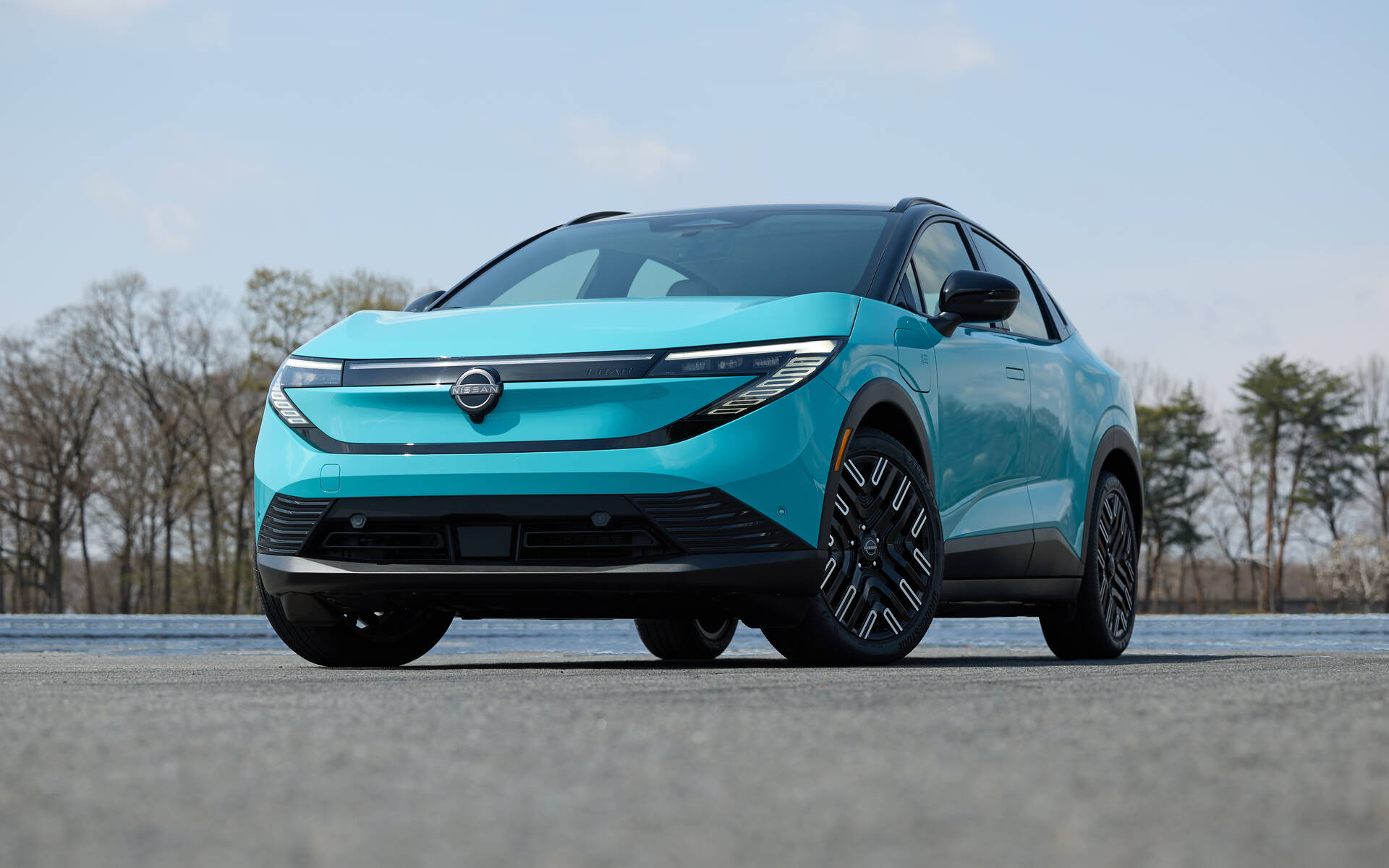
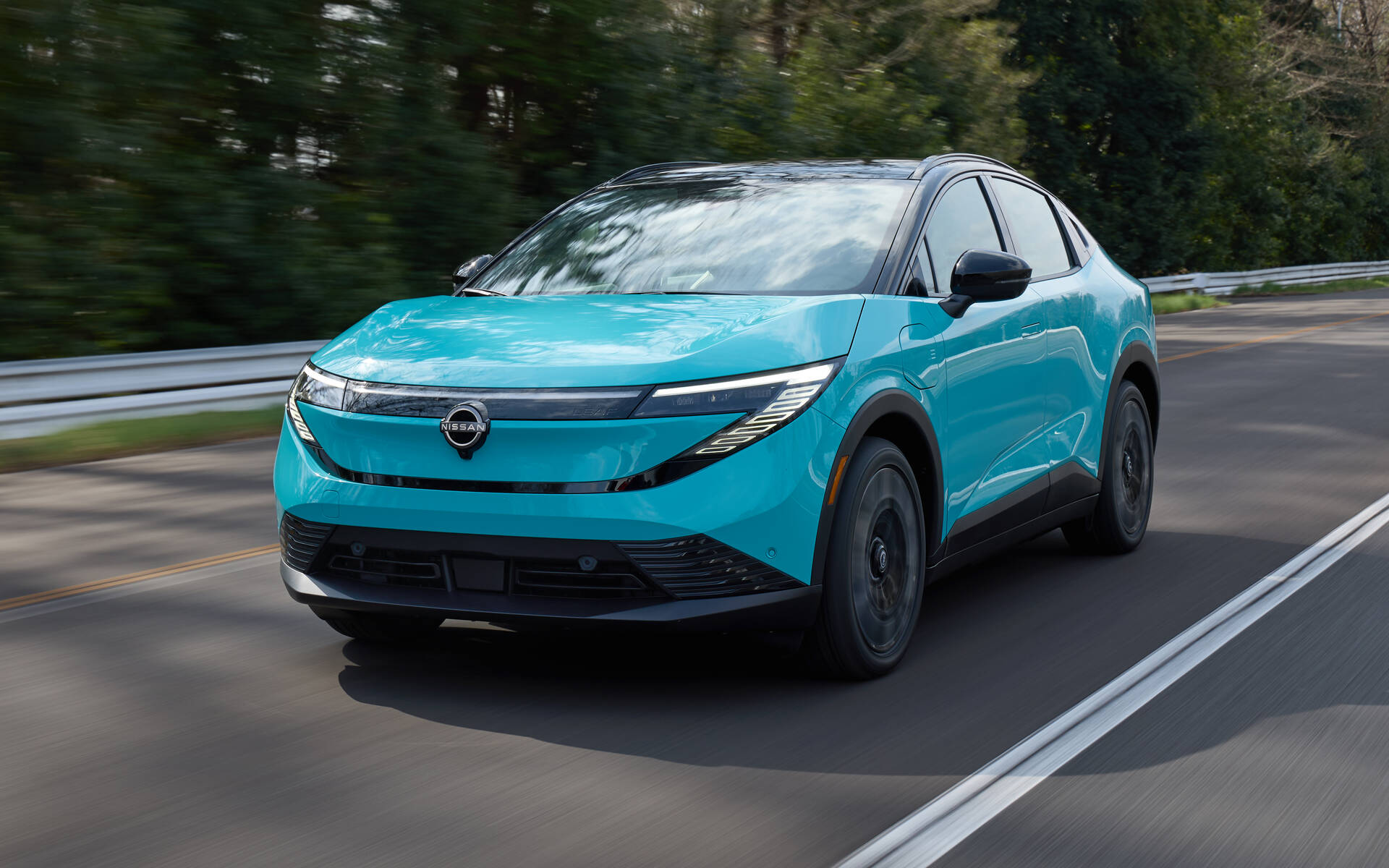
Nissan has officially introduced the completely redesigned LEAF in the form of a small, coupe-like crossover that promises much longer range than the two generations of the compact electric hatchback.
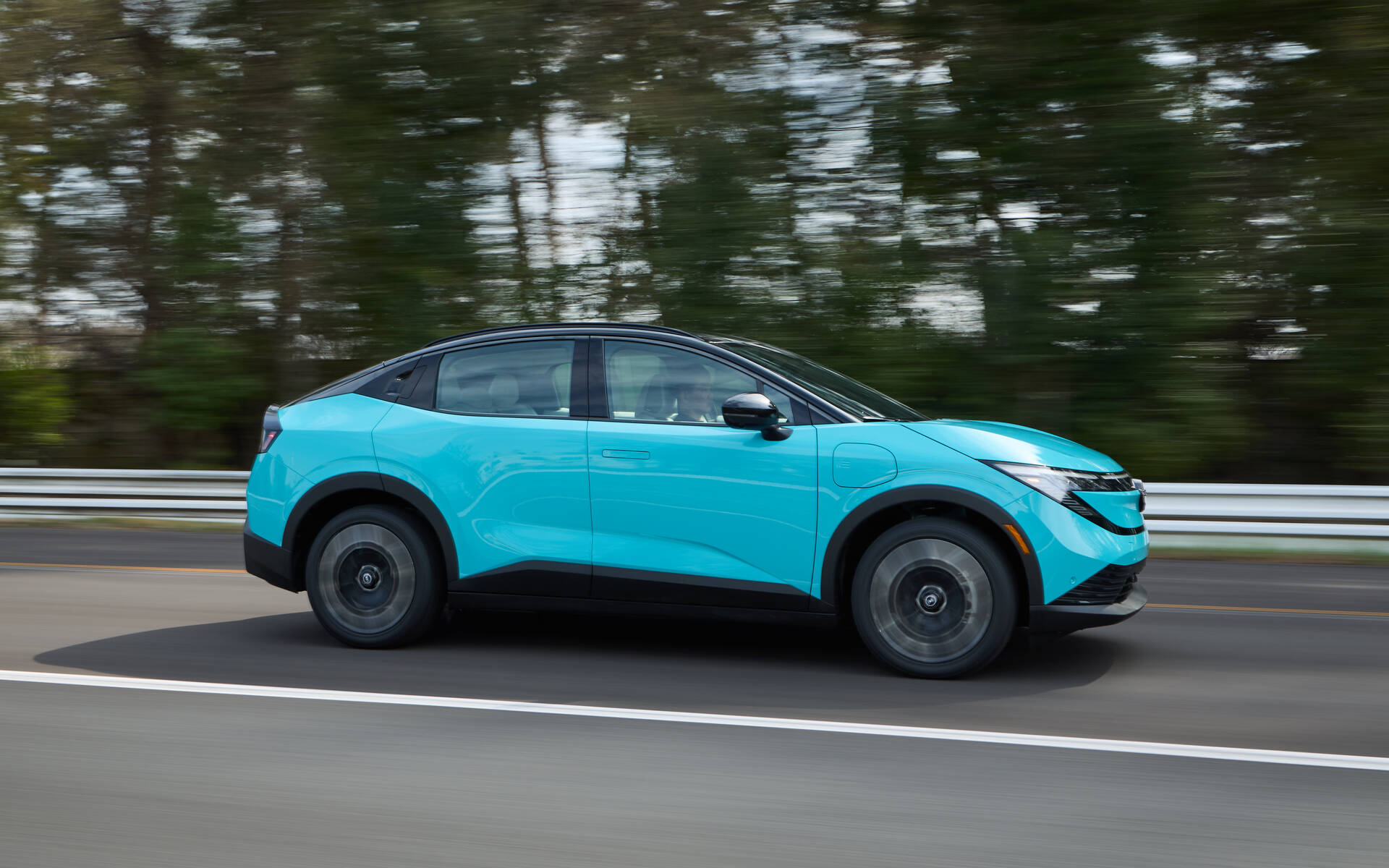
But don't let the looks fool you: the new 2026 LEAF is actually shorter (4,404 mm vs. 4,480 mm) and lower (1,557 mm vs. 1,565 mm), with a wheelbase reduced by 10 mm (2,690 mm). Only the width has increased (1,811 mm vs. 1,790 mm).
- Also: Nissan Reveals Key Specs for Upcoming, Third-Gen LEAF
- Also: Confirmed: New Mitsubishi EV Based on Future Nissan LEAF to Launch in 2026
Sleek and Aerodynamic
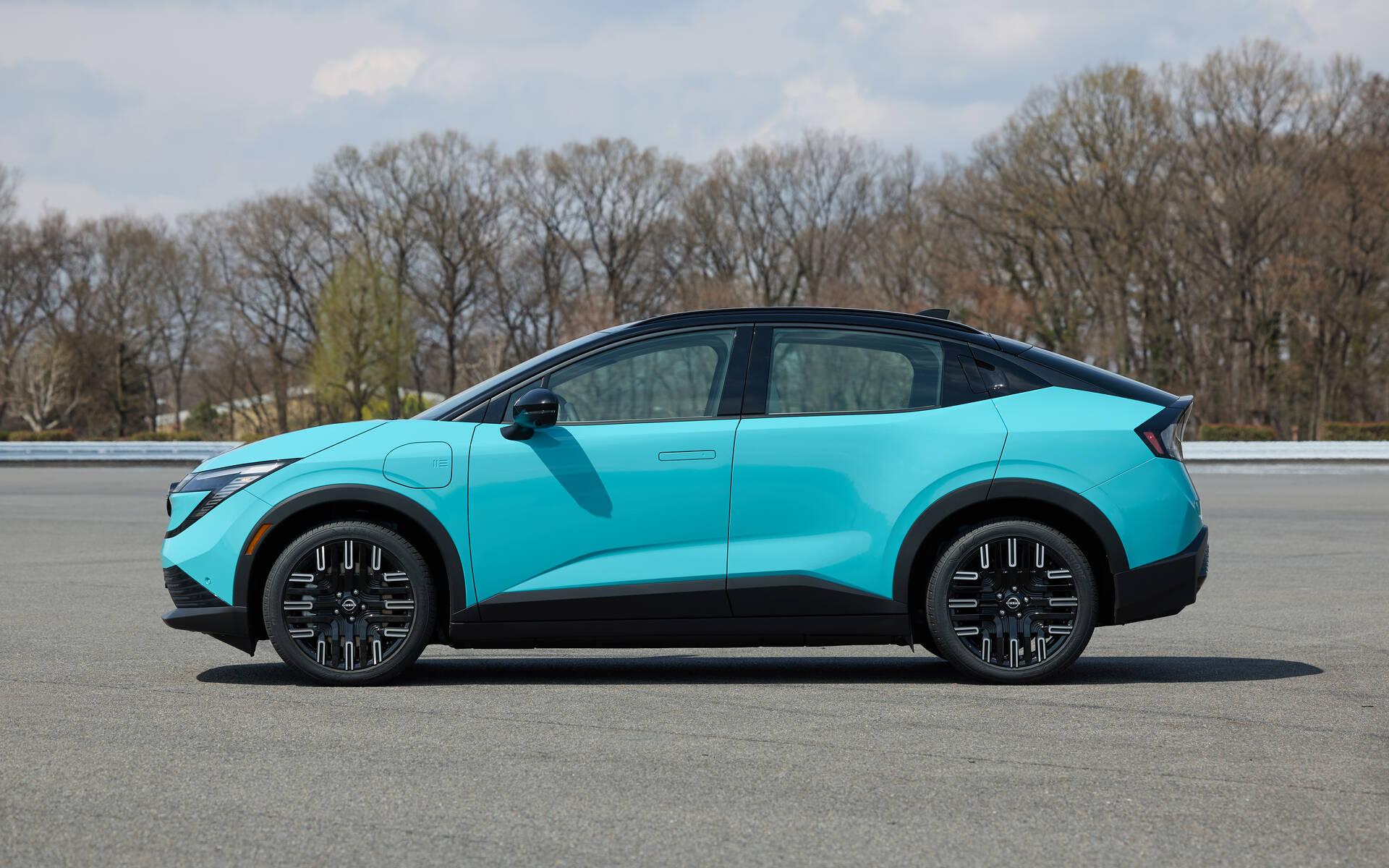
As mentioned in our previous stories, this is Nissan’s most aerodynamic product ever, with a drag coefficient measuring just 0.26. Credit goes to the flush (and motorized) door handles, active grille shutter, optimized wheel design, flat underfloor and fastback silhouette with the rear liftback supporting an airfoil effect.
Other key design features include the optional illuminated Nissan logo, the sleek trim piece reminiscent of a katana blade (like that on the Z sports coupe) and the subtle rear spoiler mounted at a 45-degree angle. All around the vehicle (headlights, taillights, wheels, interior), designers have incorporated an iconography consisting of two horizontal and three vertical rectangles—a nod to the company's name, “ni-san” in Japanese.
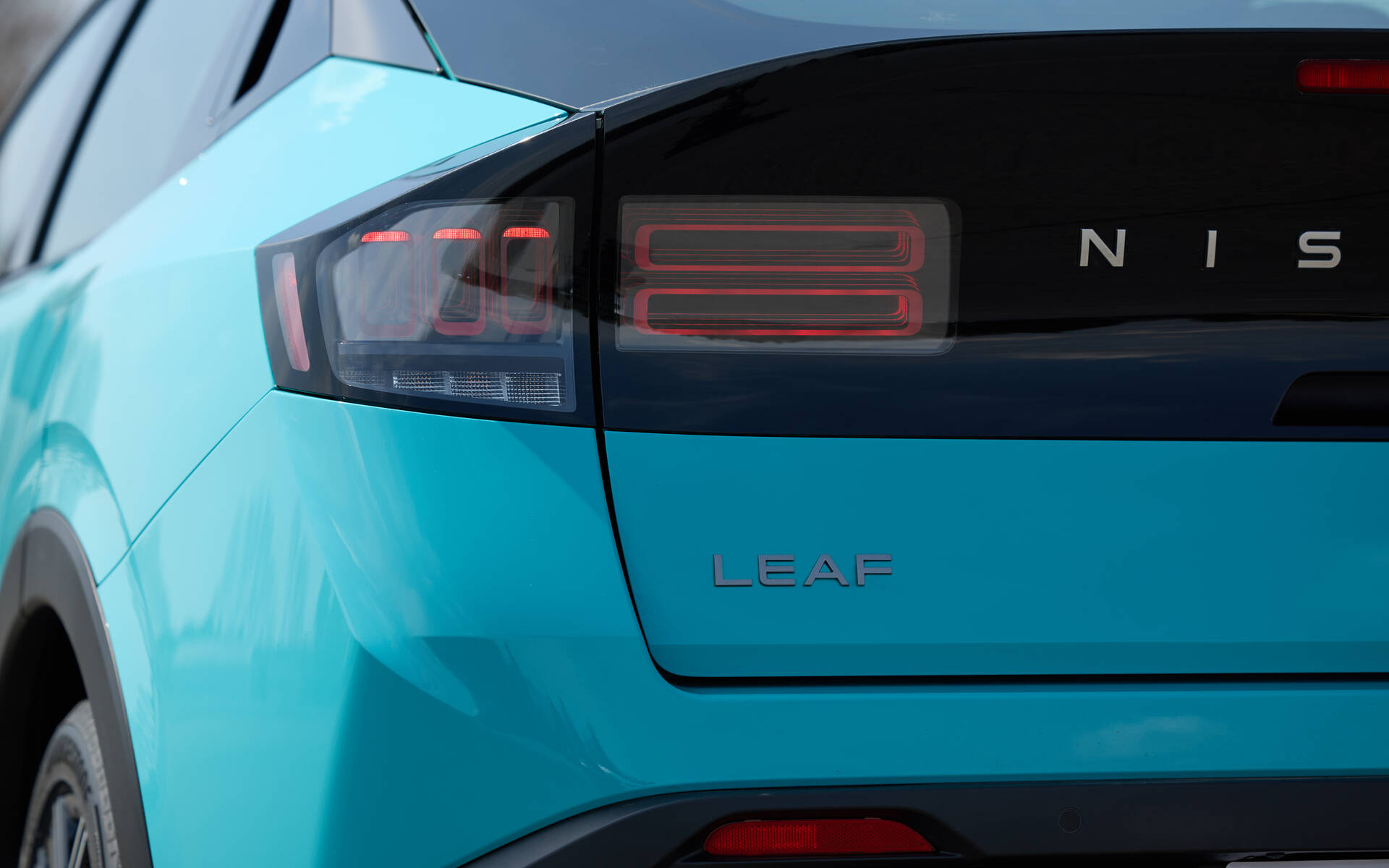
The wheels measure 18 or 19 inches depending on the model, and four of the eight body colours available come with a contrasting black roof including Seabreeze shown here.
More Passenger Space, Less Cargo Room
Inevitably, the 2026 Nissan LEAF’s interior marks a radical transformation, as well. S and S+ models combine two 12.3-inch screens and offer wireless Apple CarPlay and Android Auto as standard, while SV+ and PLATINUM+ models are equipped with dual 14.3-inch screens and receive Google built-in as part of their infotainment system.
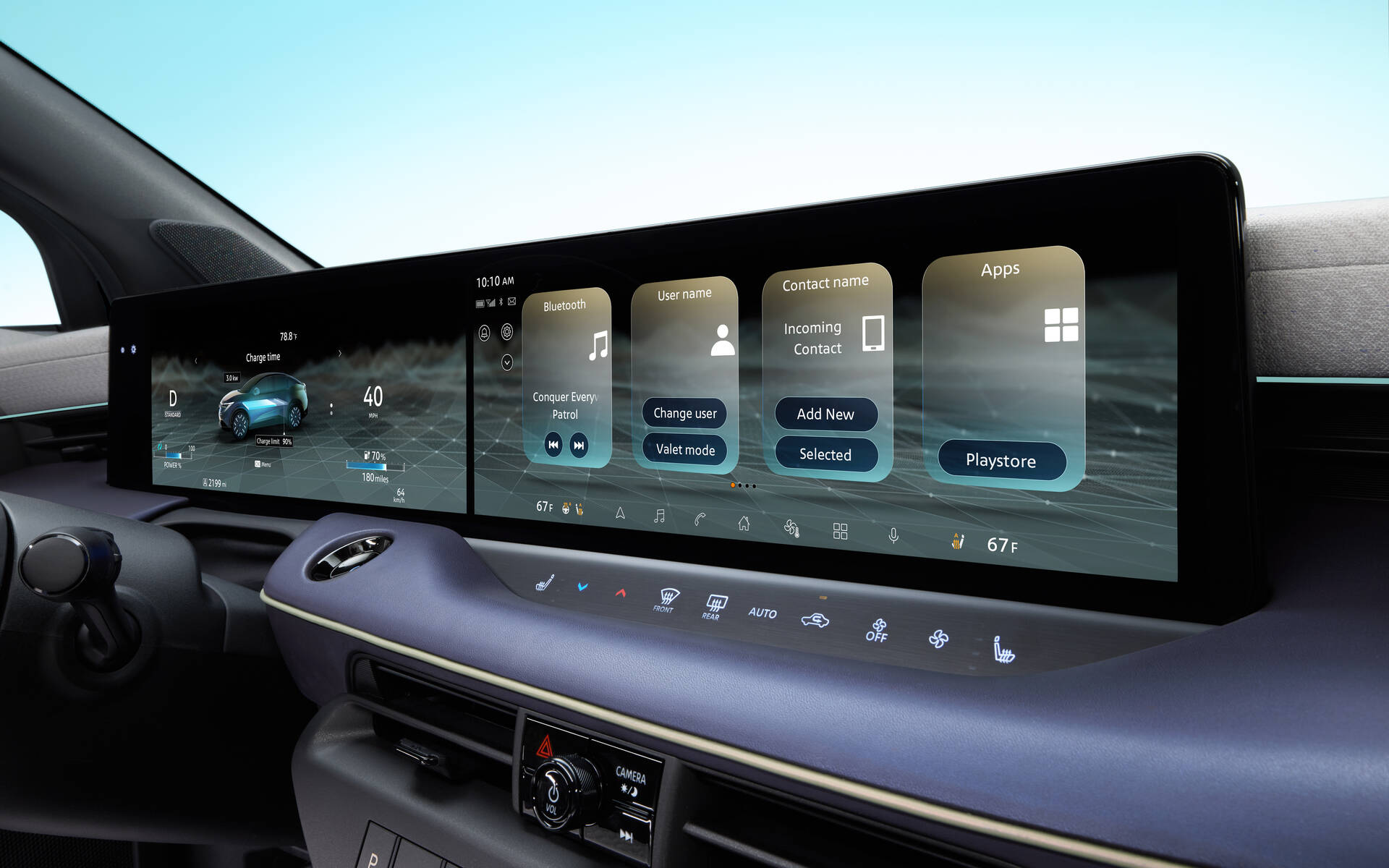
Available features such as the electrochromic panoramic roof (a first in this price range) and 64-colour customizable ambient lighting make the cabin even more pleasing. The former changes from transparent to almost totally opaque at the touch of a button. Also worth mentioning is the 10-speaker Bose Personal Plus audio system with speakers integrated into the front headrests, as in the Kicks.
Meanwhile, the flat, uncluttered floor and completely reimagined centre console increase legroom in the first row, and the slimmer, redesigned front seats do the same for second-row occupants. The console also offers more storage space, with the gear selector now becoming a series of buttons on the dashboard.
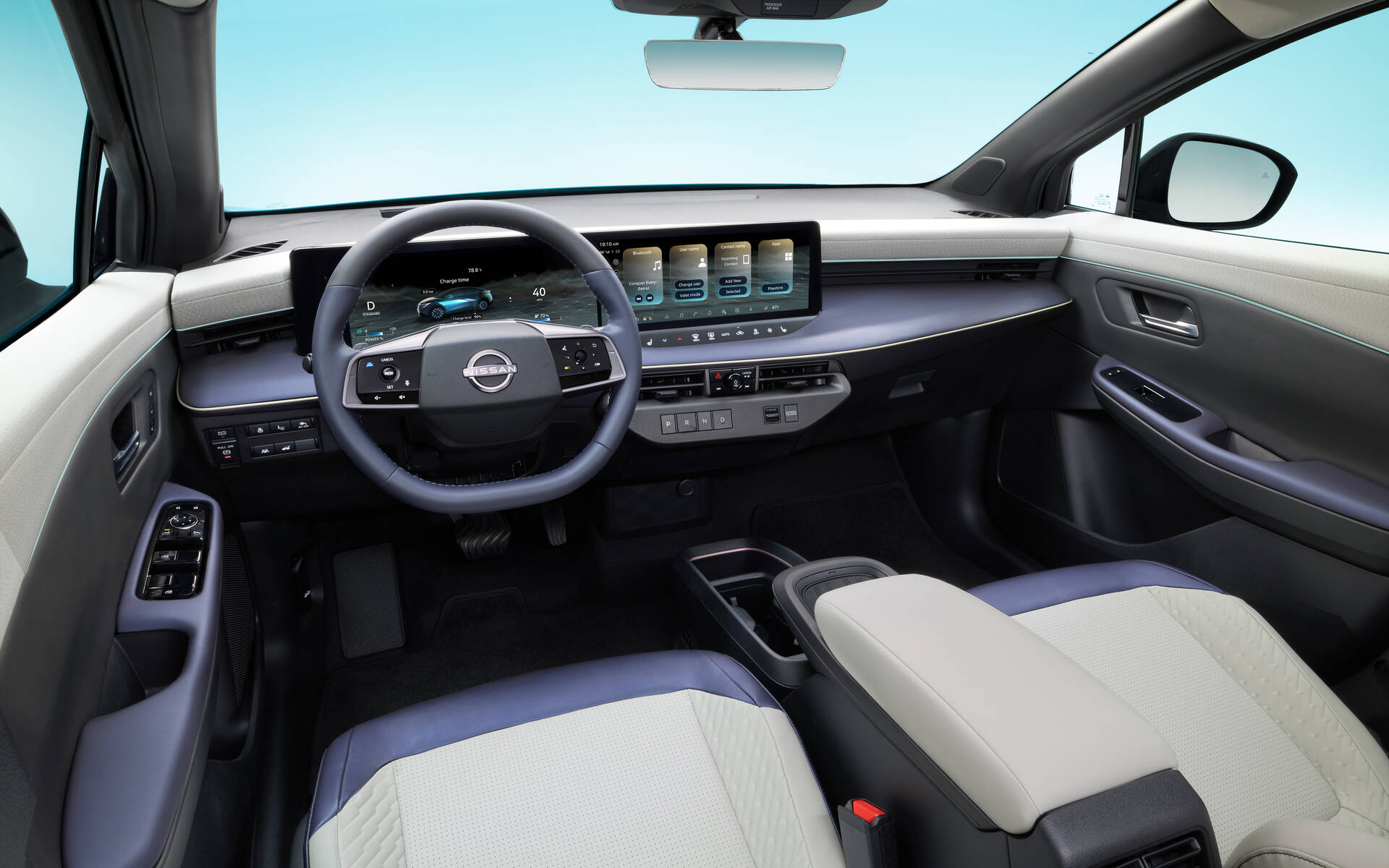
Alas, the trunk has shrunk. Instead of 668 litres, it can now fit just 566 litres of cargo. By comparison, the Hyundai Kona Electric is good for 723 litres. On the bright side, the available Divide-N-Hide organizer will come in handy. With the bench seat folded, cargo capacity increases to 1,572 litres, according to Nissan.
Commendable Range at Last
The all-new LEAF shares its CMF-EV platform with the larger Ariya SUV. Compared to the outgoing car, output and torque in S trim increase to 174 hp (+27) and 254 lb-ft (+18), while battery capacity goes from 40 to 53 kWh resulting in a range that has yet to be determined but should easily exceed the current model’s 240 km.
Other models including S+, SV+ and PLATINUM+ deliver 214 hp (unchanged) and 261 lb-ft of torque (+11), with a battery upgraded from 60 to 75 kWh and a range of 488, 463 or 417 km, respectively (instead of 341 km). Now we're talking!
Another reason to smile is DC fast-charging capacity of up to 150 kW. According to Nissan, the new LEAF will take just 35 minutes to bring the battery from 10-80% instead of 45 minutes. Incidentally, there are two charging ports—a J1772-type port on the driver's side fender for charging at home or at work, and an NACS-type port on the passenger side fender enabling direct access to Tesla's Superchargers.
Speaking of charging, this is the first Nissan vehicle to offer “Plug & Charge” capability. Once activated, simply plug the LEAF into a compatible charging station and the charging session will start automatically—no app or payment card required.
Improved Cold-Weather Performance
When developing the third-gen LEAF, Nissan conducted rigorous tests in various environments in Europe, Asia and North America, including in northern Quebec during the coldest period of the year. The battery's thermal management system has been improved, while the battery itself is protected by a resin cover that insulates it from the cold and snow during winter driving.
Critically, waste heat generated by the electric motor and on-board charger is captured and recycled to warm the battery and keep it at optimum temperature, thus preserving range in cold weather (a frequent complaint among existing LEAF owners). An energy-efficient heat pump is also integrated.
The 2026 Nissan LEAF is due to arrive in dealerships this fall. Hopefully, prices will remain as competitive as those of the second generation.