Honda Reportedly Axes Large Electric SUV Planned for U.S., Canada
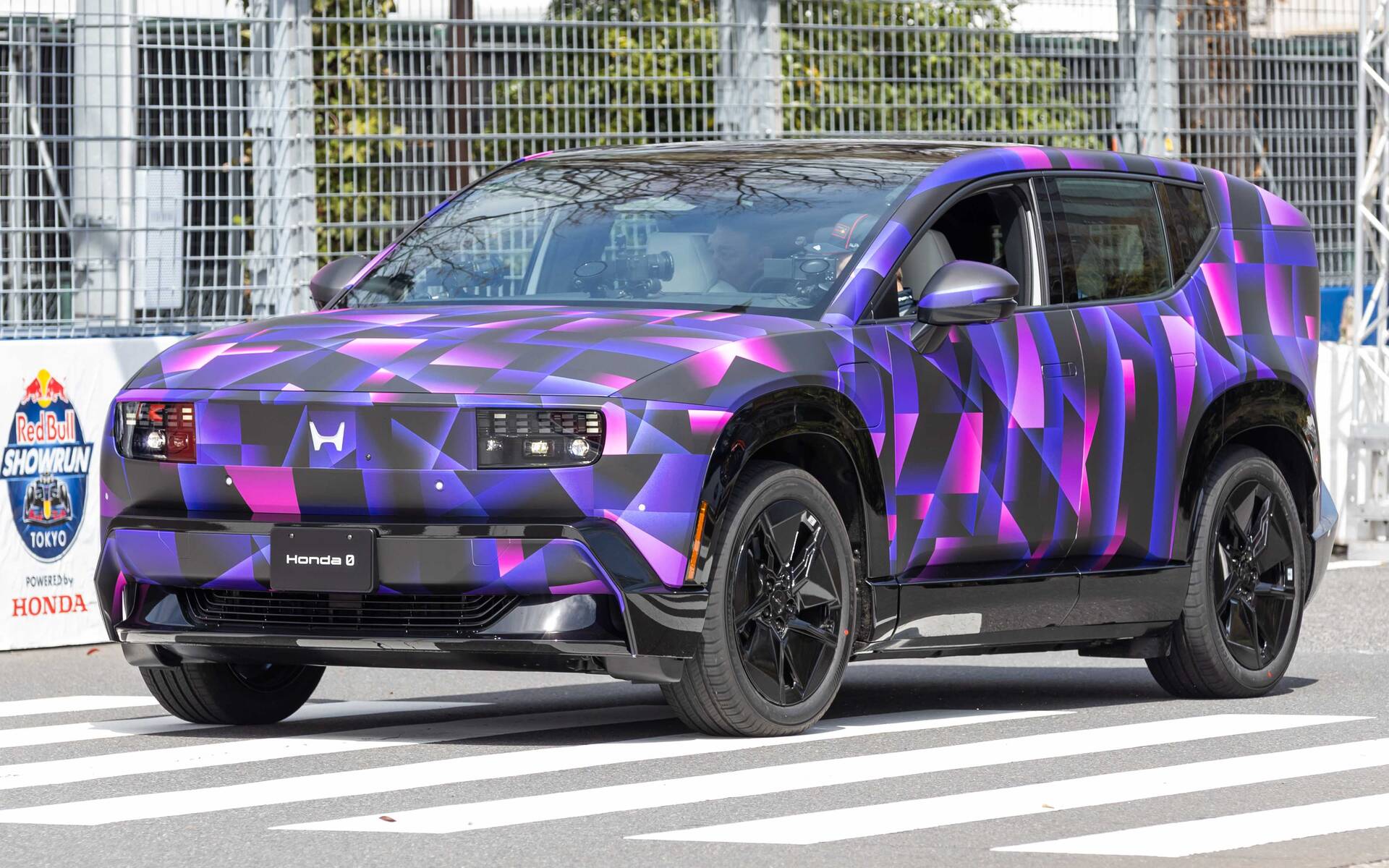
After postponing its electric vehicle investments in Ontario by at least two years and deciding to spend more money on hybrids, Honda has apparently revised its electrification strategy once again.
According to a report on the Nikkei website, the Japanese automaker has shelved plans for a future large electric SUV aimed at the North American market.
- Also: Honda to Cut EV Spending and Sales Targets, Focus on Next-Gen Hybrids
- Also: Honda to Postpone EV Investments in Ontario by Two Years, Move Some CR-Vs
Expected to launch in 2027 or 2028, this new vehicle was to come from the so-called, next-generation “Honda 0” family of EVs along with the midsize sedan and SUV that debuted as near-production prototypes at CES 2025 in Las Vegas early this year. These are due to go on sale in 2026.

The decision to axe it is said to be motivated by the slower-than-anticipated growth of electric vehicles in the U.S. Moreover, with the new budget bill recently passed by the Trump administration, customers over there will no longer receive tax credits after September 30, 2025.
The higher development and supply costs required for electric vehicles of this size, particularly for the battery, could be another part of the explanation.
Honda's initial goal of offering seven electric models in North America by 2030 is unlikely to be met. Instead, more emphasis will be placed on hybrids.

A next-generation system is slated to arrive in 2027 and Honda expects it to reduce costs by more than 30 percent compared to 2023 to current models. Globally, 13 models will receive this system over a four-year span.
In North America, where demand for large-sized vehicles with spacious interiors and high cargo capacity remains strong, Honda will apply the system to its larger vehicles. That means the Pilot and Passport SUVs, the Ridgeline pickup and the Odyssey minivan could offer a gas-electric variant within a few years. The idea is to combine “powerful driving performance with high towing capability and high environmental performance,” the company said.
Many other automakers have either terminated or delayed electric vehicle projects in recent months. For example, Ford has suspended development of three-row electric SUVs, while Toyota has postponed production of its own in the U.S.