Tesla’s Elon Musk Confirms Cheaper Model Y to Launch Later in 2025
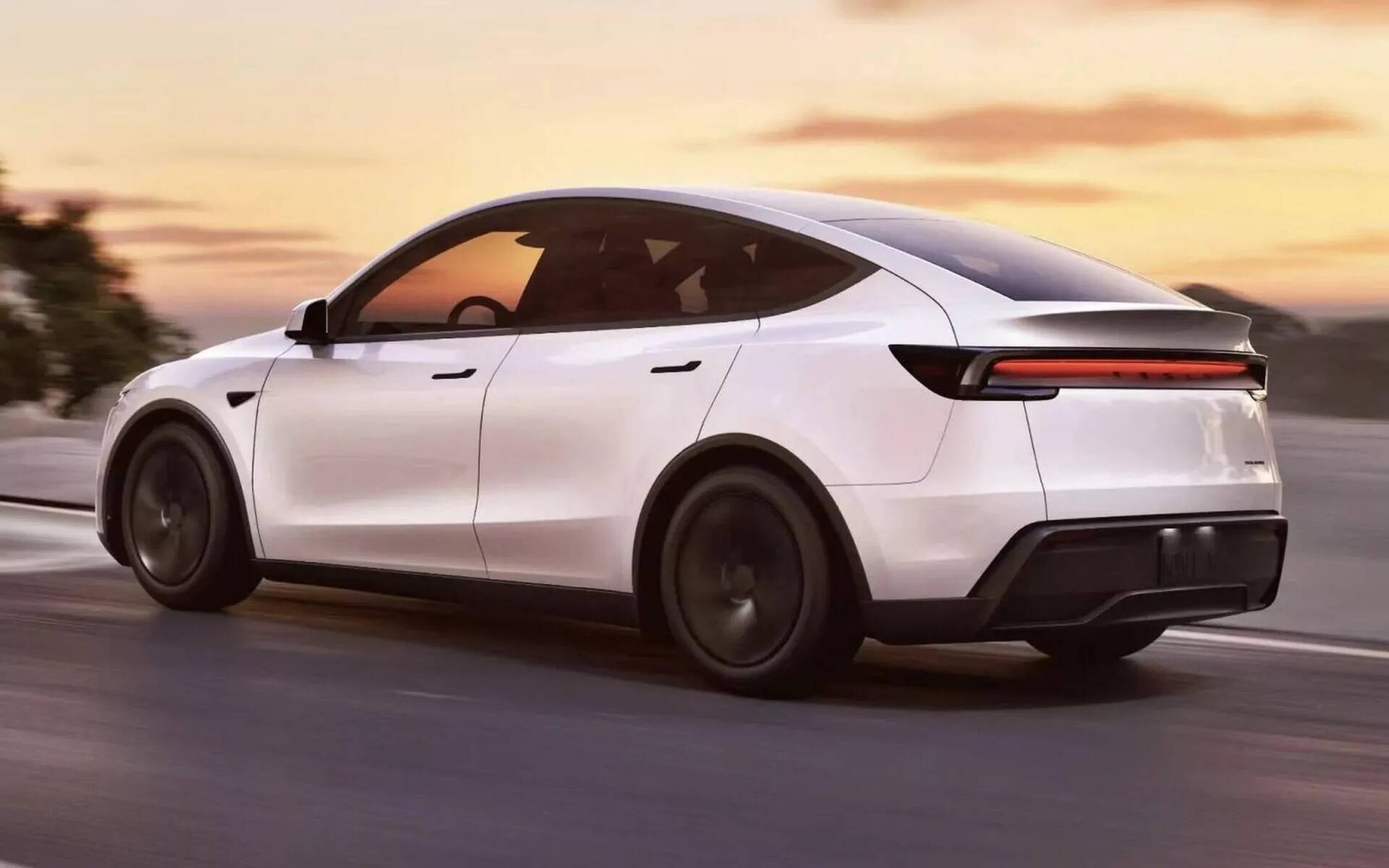
Tesla will launch a more affordable version of the Model Y by the end of the year in hopes of reversing its sharp sales decline. CEO Elon Musk confirmed this yesterday in an announcement detailing the company's financial results for the second quarter of 2025.
In January, Musk promised a lineup of "more affordable models" by the summer to attract more consumers. Reuters later learned that there would be no all-new products, but rather a more basic Model Y that would be at least 20% cheaper to build.
- Also: Tesla Cuts $20,000 Off Model Y to Stop Freefalling Sales
- Also: RAV4 or Model Y: Which One Was the World’s Best-Selling Vehicle in 2024?
Production is expected to begin in August or September.
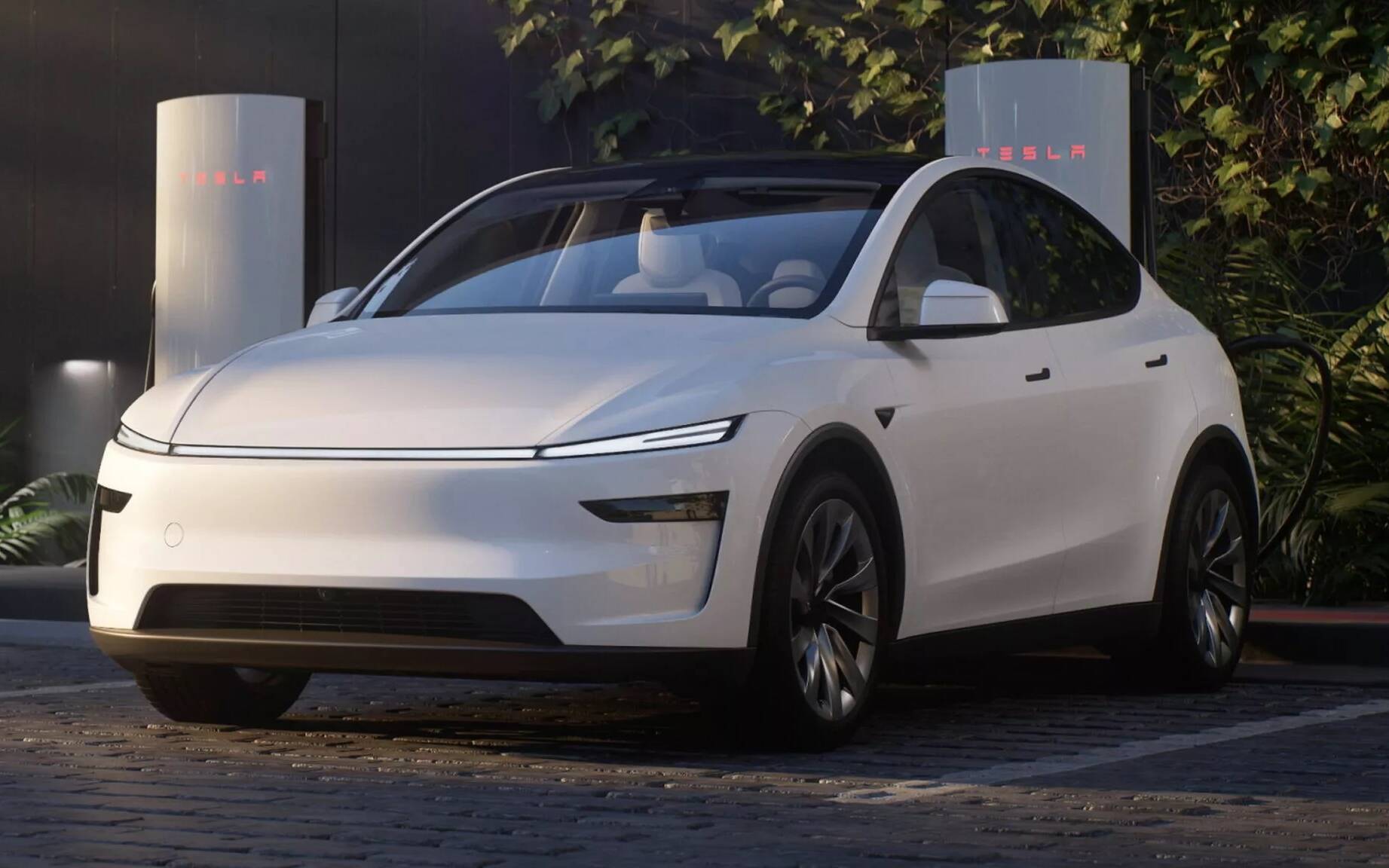
Tesla's boss did not specify this week whether other lower-priced models were planned, including a cheaper Model 3 sedan. He also did not provide any additional information, such as the markets in which the new Model Y would be sold, the target volumes or the anticipated price.
The refreshed and updated 2025 Model Y, which ballooned to $84,990 due to Canadian countertariffs on U.S.-made vehicles, recently had its price slashed by a whopping $20,000, suggesting that units shipped to Canada are now being imported from Germany instead.
An even cheaper Model Y should help Tesla in an increasingly tough EV market where government incentives are being phased out or scrapped altogether. In the U.S., for instance, the $7,500 tax credit will end after Sept. 30.
A Rough Stretch to Come
Tesla's global sales fell 13.5 percent in the second quarter of 2025 compared to the same period in 2024. This was the second consecutive quarterly drop, the kind of setback normally associated with a recession.
The situation is not about to improve. Elon Musk warned Wednesday that Tesla could experience some difficult quarters through the end of 2026.

“We’re in this like weird transition period where we will lose a lot of incentives in the U.S. ... and we’ll be still at the relatively early stages of autonomy,” he told investors. “We probably could have a few rough quarters. I’m not saying we will, but we could.”
The automaker is banking on a growth in revenue generated by software, artificial intelligence and the rollout of driverless vehicles. Its "robotaxi" service launched in Austin, Texas in June, with plans to expand it to several U.S. cities by the end of the year. The vehicles are modified Model Ys until production of the so-called “Cybercab” starts in 2026.