Canadian ZEV Mandates to Be Delayed, Auto Industry is Relieved
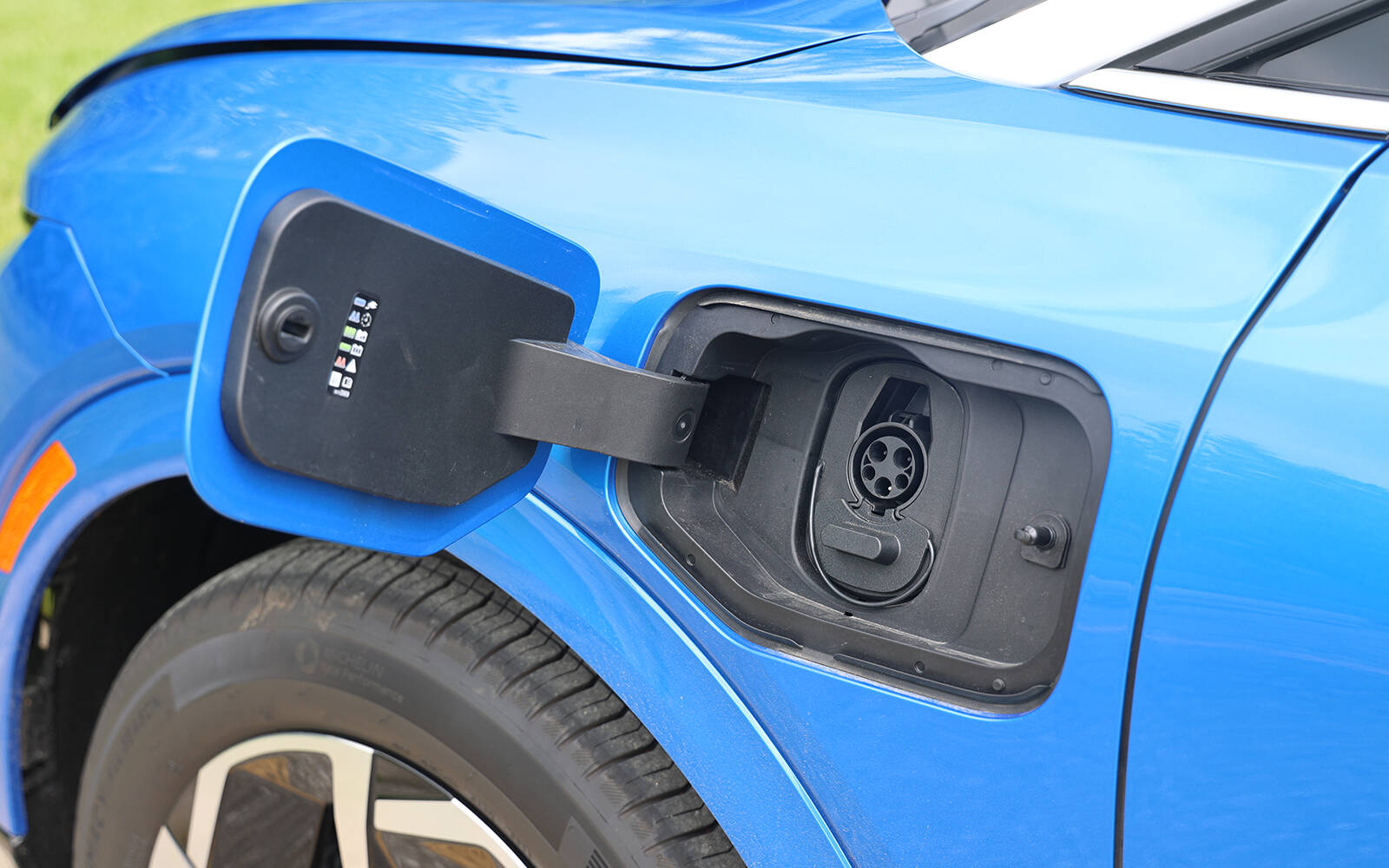
The federal government in Ottawa has decided to backtrack on zero-emission vehicle (ZEV) sales mandates as the auto industry is hit hard by the trade war with the U.S.
Starting in 2026, 20% of automakers’ sales in Canada were to be ZEVs. However, Prime Minister Mark Carney today announced that he is delaying this regulation and launching a 60-day review. His goal is to avoid increasing the burden on manufacturers who have been hit hard by the trade war unleashed by Donald Trump.
- Also: Quebec Backs Off Full Ban on New Gas-Powered Cars in 2035
- Also: Hybrids Overtake ZEVs in Canadian Market Share For the First Time
Under his predecessor, Justin Trudeau, the ZEV mandates called for 100% of new light-duty vehicle sales in Canada to be ZEVs by 2035. But since the beginning of 2025, there has been a global slowdown in electric vehicle demand and sales, particularly due to Trump's drastic policies. Some manufacturers have scaled back their EV plans as a result.

Auto industry representatives are breathing a big sigh of relief following Friday’s announcement.
“We are pleased that the federal government has recognized that consumer adoption of electric vehicles in not where either government nor industry had anticipated it would be a few short years ago,” said David Adams, President and CEO of Global Automakers of Canada. “That transition can only happen as quickly as consumers are willing to move and it is clear that higher initial upfront cost and the lack of widely available quick, reliable charging infrastructure have hindered uptake.”

Adams is now urging the governments of Quebec and British Columbia to pause their own ZEV programs, which have even more aggressive targets over shorter deadlines. Ideally, he said, there should be just one national mandate.
Upon his election earlier this year, Carney’s first major move was to remove the carbon tax, another setback in the quest for electrification.