Hyundai to Launch More Hybrids, First Midsize Pickup by 2030
Hyundai today unveiled a mid- to long-term growth strategy at its CEO Investor Day in New York.
José Muñoz first reaffirmed the company’s commitment to achieving 5.55 million global vehicle sales by 2030, 60 percent of which are projected to be electrified models. Significant growth is anticipated in North America, Europe and South Korea.
- Also: 2026 Hyundai IONIQ 9: Green and Definitely Not Envious
- Also: Hyundai’s Spectacular Concept THREE May Hint at Future IONIQ 3

Hybrids Driving Lineup Expansion
Globally, Hyundai plans to expand its hybrid vehicle lineup to more than 18 models by 2030, including the introduction of Genesis hybrids starting in 2026, although further details were not shared. As previously reported, the fully redesigned 2026 Palisade will be available with a next-generation hybrid system offering improved performance and fuel efficiency.
In a surprise move for many, Hyundai also intends to launch its first midsize pickup in North America before the end of the decade. The company will draw on the expertise it has acquired since the launch of the compact-sized Santa Cruz in 2021.
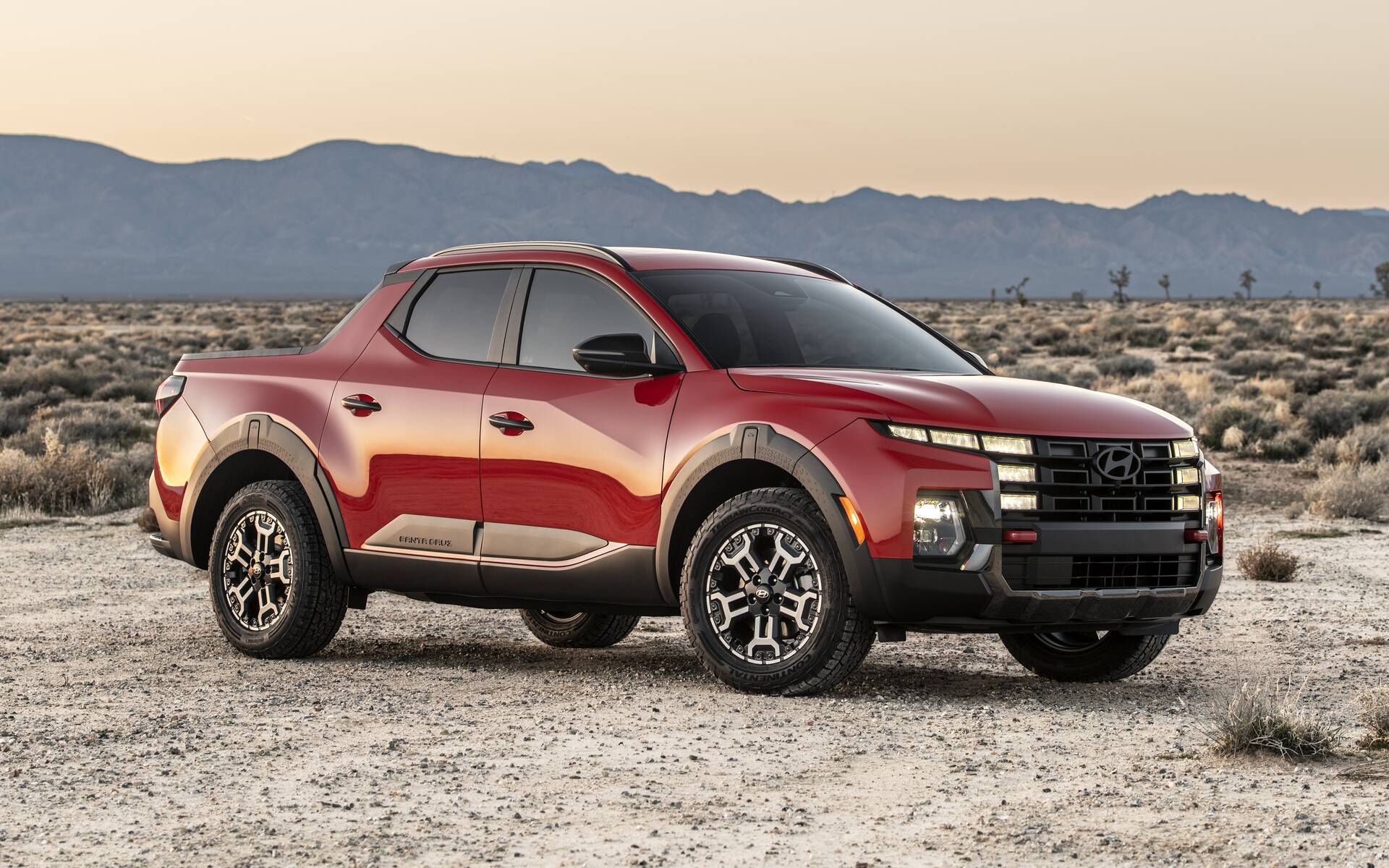
Will it be a unibody pickup in the mold of the Honda Ridgeline, or will it be instead a body-on-frame truck like the Ford Ranger and Chevrolet Colorado? The answer is the latter, with development to take place in-house.
Yes, Hyundai signed a Memorandum of Understanding with General Motors in 2024, but that has nothing to do with it. The Hyundai-GM alliance is expected to include five co-developed vehicles launching as early as 2028—electric commercial vans for the North American market, as well as compact vehicles, compact SUVs, and compact and midsize trucks for Central and South America.
On the EV Side…
Hyundai is gearing up for the launch of a car called IONIQ 3 in Europe (possibly based on the recently introduced Concept THREE) and an SUV called Elexio in China. An all-new electric model designed specifically for India is also in the works. The next Hyundai EV to land in North America remains a mystery for now, however.
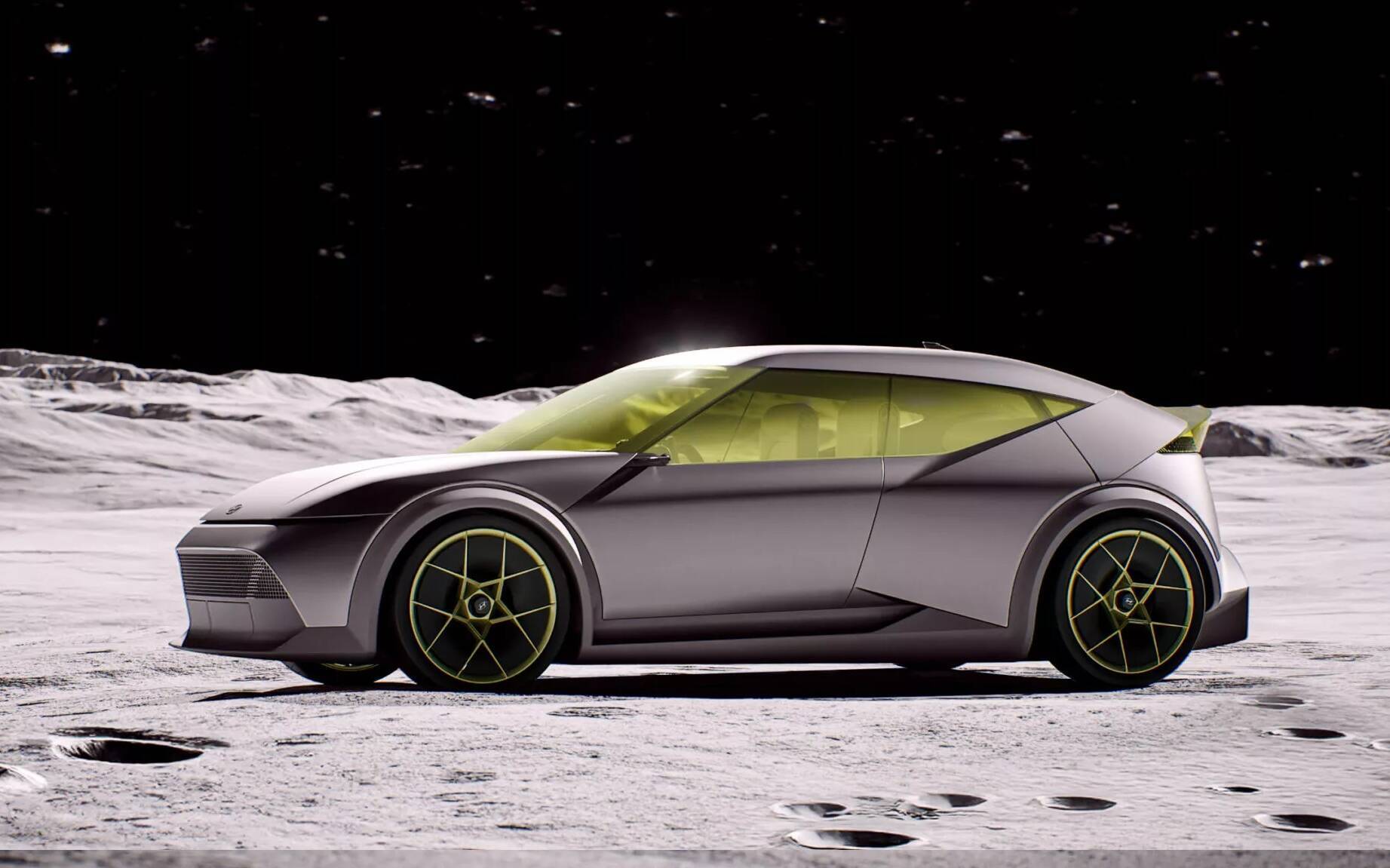
Starting in 2027, range-extending electric vehicles with high-performance batteries will be available in select markets. These vehicles will use a gasoline engine to charge the battery only, not to drive the wheels. The company is promising a total range of over 960 km. Again, North American availability has not yet been confirmed.
Hyundai’s battery strategy aims to deliver industry-leading improvements by 2027: 30 percent cost reduction, 15 percent higher energy density and 15 percent shorter charging times. Interestingly, the company has analyzed durability data from over 50,000 IONIQ 5 vehicles, including units driven more than 400,000 km, and it has found that most retain more than 90 percent battery performance.
Pleos is a Name to Remember
Hyundai will accelerate its transition to software-defined vehicles through Pleos, an in-vehicle distributed operating system that enables rapid software updates, personalized feature enhancements and a safer, more flexible driving experience, it said.
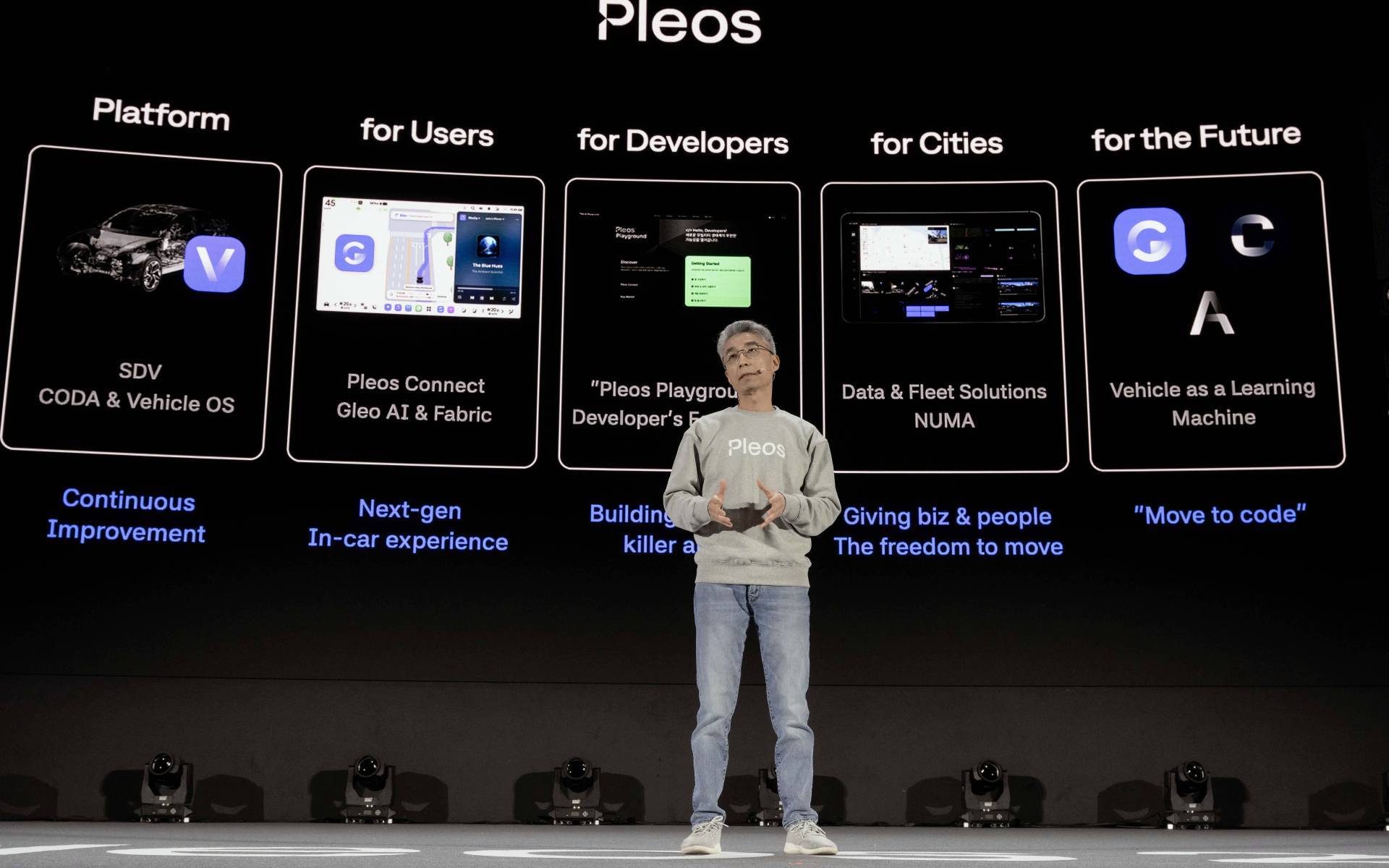
As previously reported, the technology will come alive with Pleos Connect, a next-generation infotainment system rolling out in the second quarter of 2026. Key features include multi-window functionality, user profile-based personalization and an in-vehicle marketplace for third-party apps, which Hyundai sees as a way to create new service-based revenue opportunities.