Stellantis’ Latest EV Battery Breakthrough Sure Sounds Promising
Innovations in the field of electric vehicle batteries are coming thick and fast, and they come in a variety of forms, too. While we wait for future solid-state batteries with revolutionary efficiency and range, a new breakthrough from Stellantis recently caught our attention.
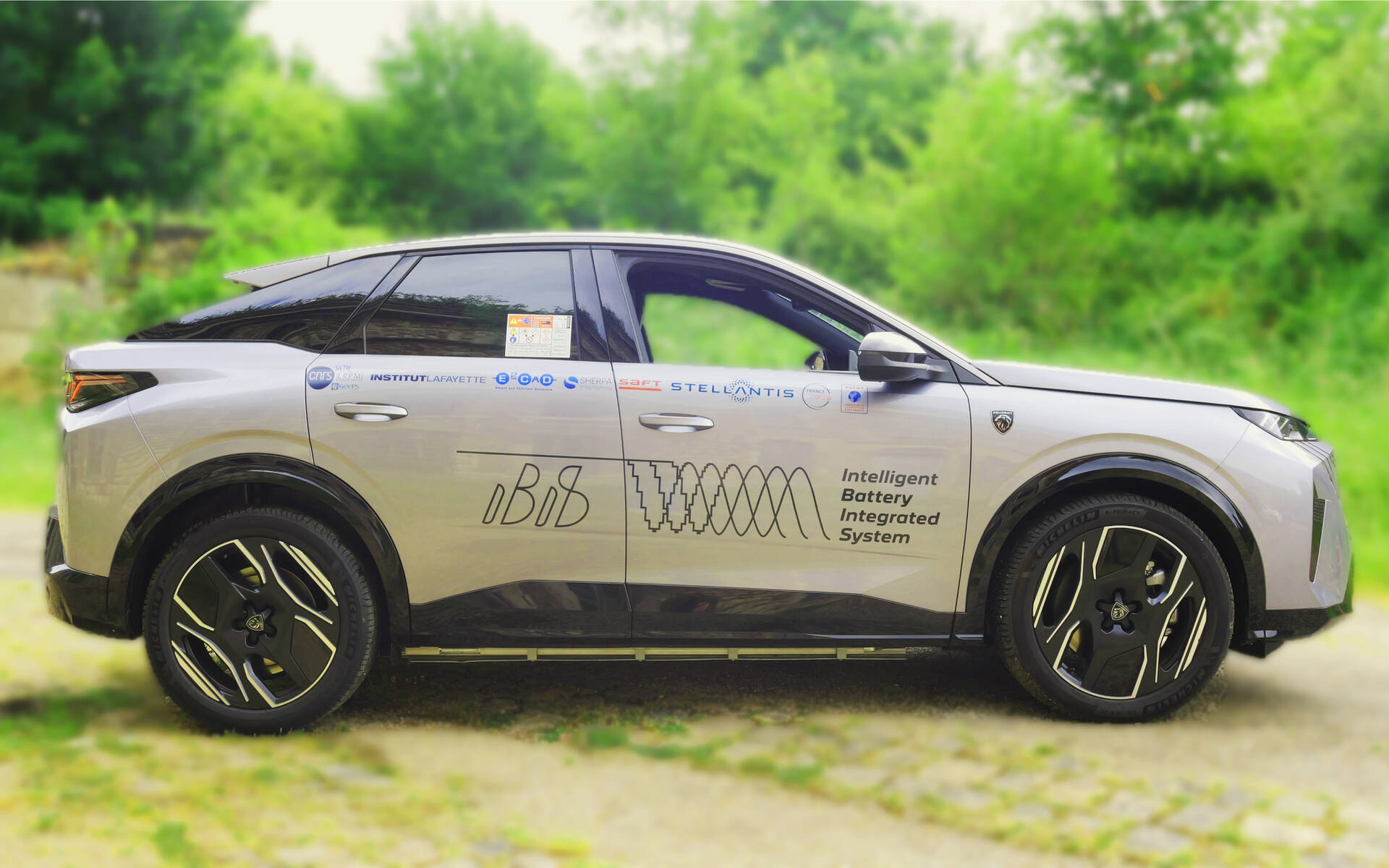
Through a partnership with Saft, a subsidiary of TotalEnergies, the automaker has unveiled a groundbreaking prototype vehicle featuring IBIS (Intelligent Battery Integrated System) technology—a French-based collaborative research project aimed at “developing a more efficient, sustainable, and cost-effective energy storage and electric conversion system.”
- Also: Stellantis Kicks Off Battery Module Production in Windsor
- Also: Stellantis Announces $400 Million EV-Related Investments in Michigan
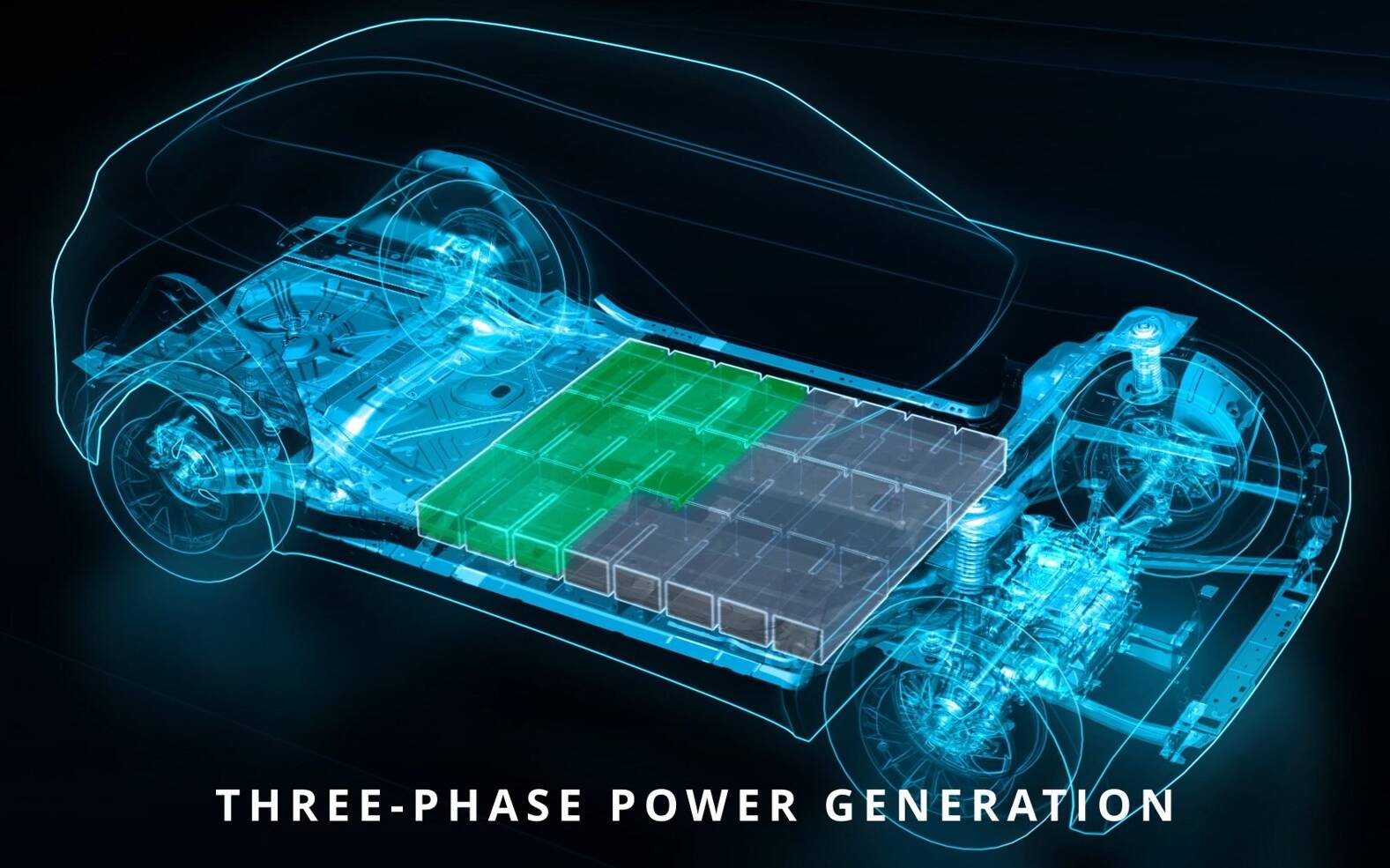
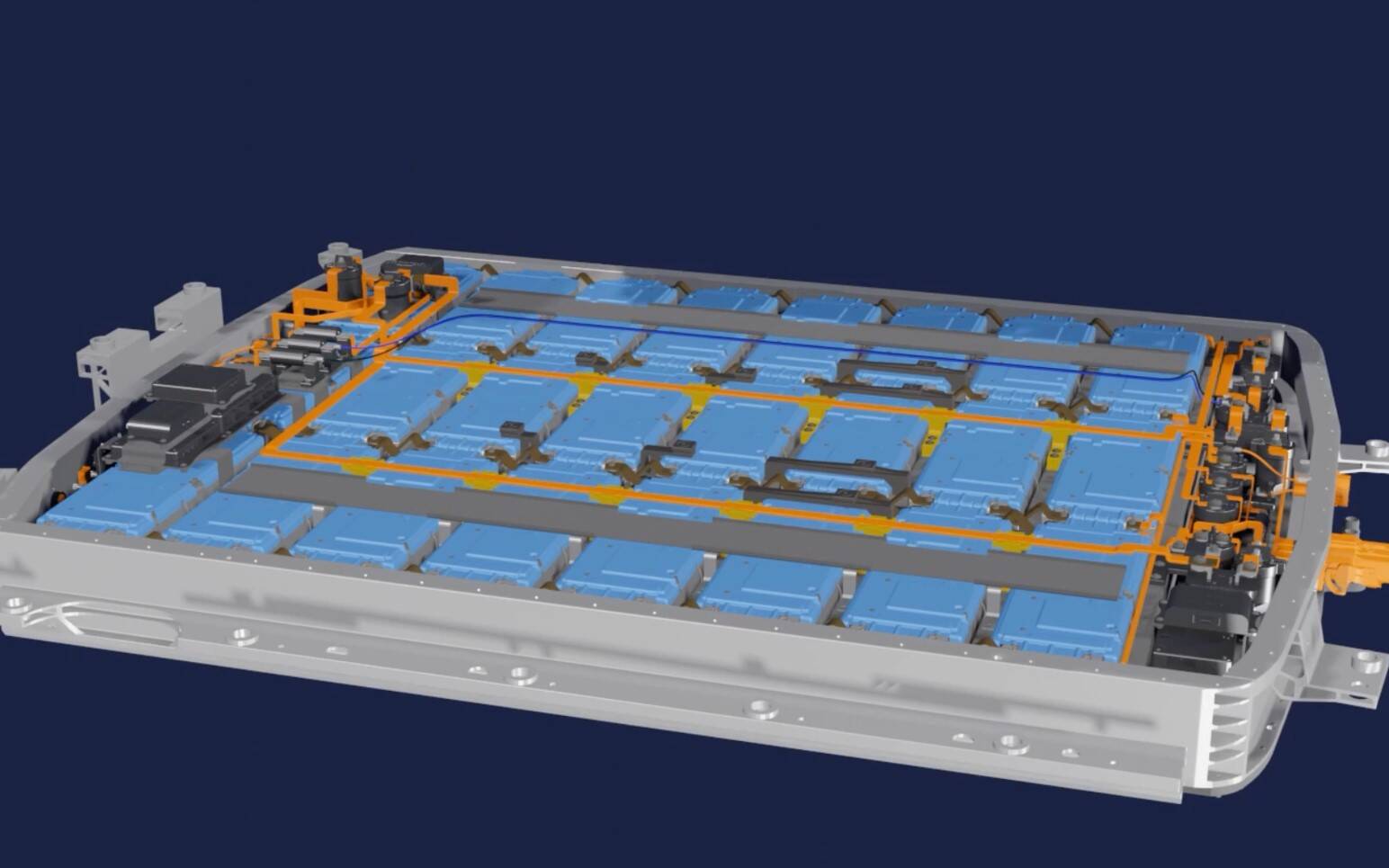
The vehicle is based on the Peugeot E-3008, which rides on the STLA Medium platform. Basically, as Stellantis explains, IBIS technology reimagines the electric powertrain by embedding inverter and charger functionalities directly into the battery. This architecture supports both alternating current (AC) and direct current (DC), supplying electric energy directly to the motor or grid, while simultaneously supplying the vehicle’s 12V network and auxiliary systems.
Substantial Gains and Savings
The figures put forward by Stellantis and Saft are fairly impressive, starting with a 10% improvement in energy efficiency and a 15% increase in output with the same battery size.
Meanwhile, the new battery pack reduces the vehicle's weight by around 40 kg and saves up to 17 litres of space. That's not all: early results have also shown a 15% reduction in charging time (e.g., from 7 to 6 hours on a 7kW AC charger), as well as energy savings of 10%.
Another benefit is simplified maintenance, with easier servicing and enhanced potential for second-life battery reuse in both automotive and stationary applications.
The Next Steps
Phase 2 of the project began in June 2025 with a focus on real-world testing under representative driving conditions. The goal is to integrate IBIS technology into Stellantis production vehicles by the end of the decade. Will North America be part of the plan alongside Europe? Now that remains to be seen.