2027 Kia PV5: More Than Just a Tool
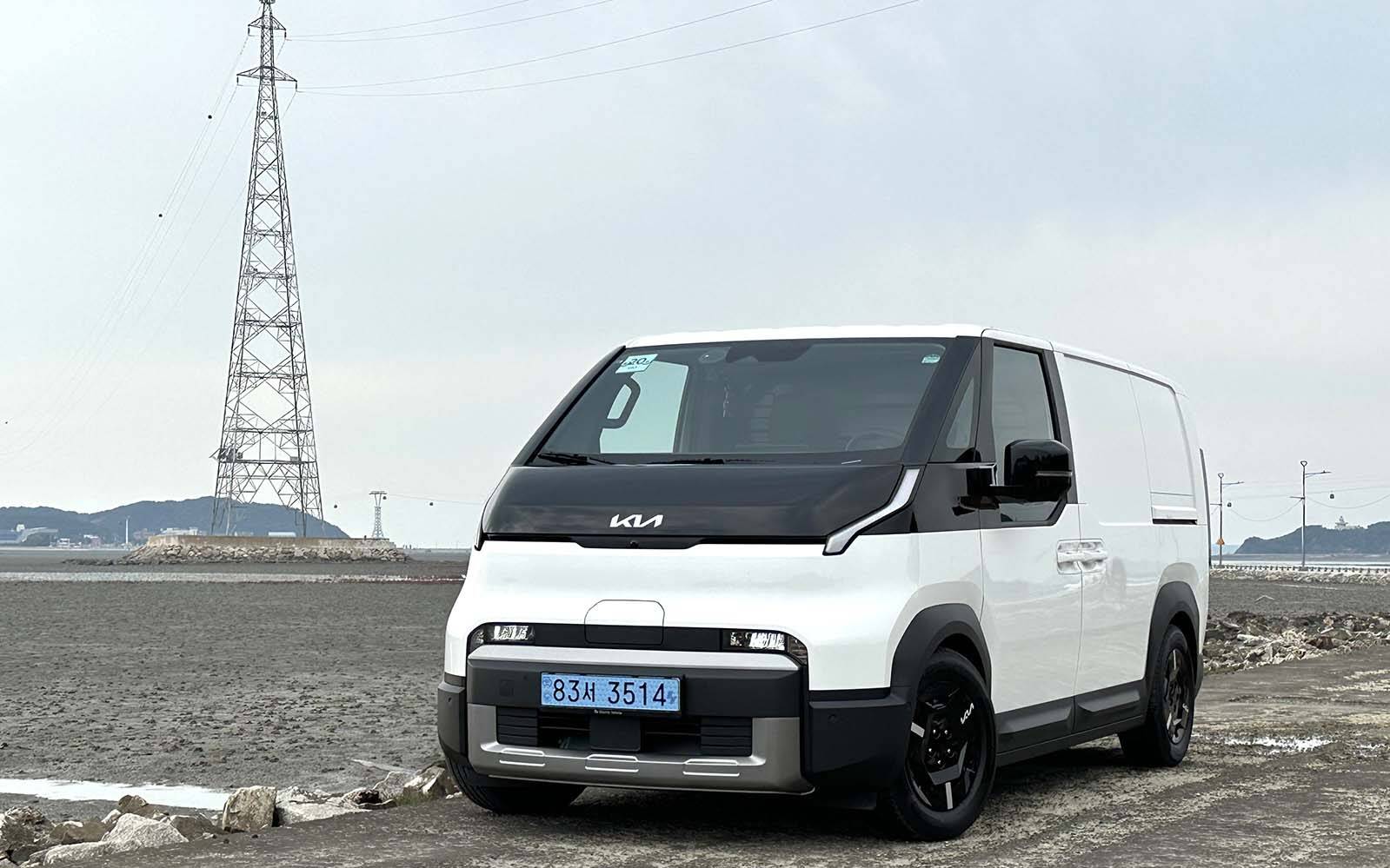
Seoul, South Korea—Cargo vans are all over the place in Europe, Asia and South America. From full-size models like the Mercedes-Benz Sprinter to small delivery vehicles with no rear windows and no rear seats, there’s plenty of choice.
It’s a much different story in North America. For one thing, the obsolete U.S. "chicken tax" makes it extremely difficult for companies to sell foreign-made trucks and other utility vehicles in Uncle Sam’s land. In the past several years, we’ve had to say goodbye to the likes of the Chevrolet City Express, Ford Transit Connect, Nissan NV200 and Ram ProMaster City. All of these compact vans were discontinued just as customers seemed to be wanting more.
- Also: Kia Unveils EV2 Concept, Provides EV4 and PV5 Specs
- Also: Kia’s New PV5 Electric Van Wants to Create a Buzz, Too
As a result, General Motors is doing a roaring trade with its Chevrolet Express and GMC Savana, two full-size vans that have remained essentially unchanged since 1996 yet continue to generate huge profits. Of course, the aforementioned 25% chicken tax does not apply in Canada, so expect the American and Canadian automotive landscapes to look increasingly different in the coming years.
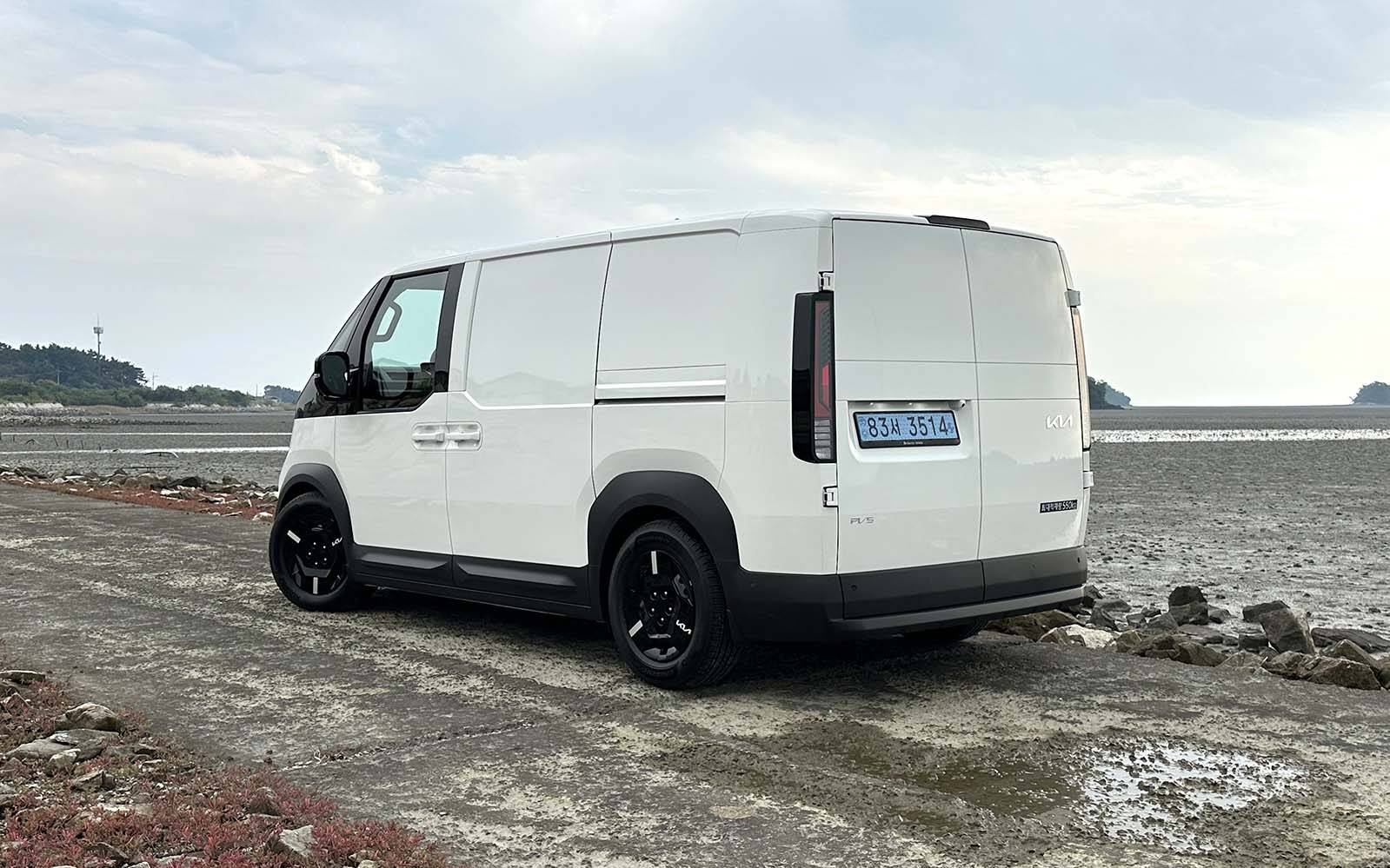
Kia will be among the brands leading the way. We’ve previously talked about the upcoming EV5 crossover, but the PV5 van is another vehicle Canada will get while the U.S. will miss. It’s nearly 200 mm shorter than the late Ford Transit Connect, boasts just shy of 4,000 litres of cargo space and offers the added benefit of a fully electric powertrain.
The Benefit of EV Tech
Commercial vans are typically used on a daily basis from about 7 am to 6 pm. Businesses have plenty of time to charge them overnight—if necessary. With an estimated range of 356 km (416 km according to the WLTP standard), the PV5 could realistically handle two or even three days of work around town without needing to charge.
This is a fantastic solution for short-distance deliveries (courier companies, restaurants, florists, etc.), but also for those looking for a versatile, multi-purpose vehicle that can drive in tight spaces. You see, an electrician, house painter or the operator of a mobile canteen does not always have the possibility of parking their Ford Transit everywhere they go. In addition, the cost of acquiring and operating large vans is increasingly becoming an issue.
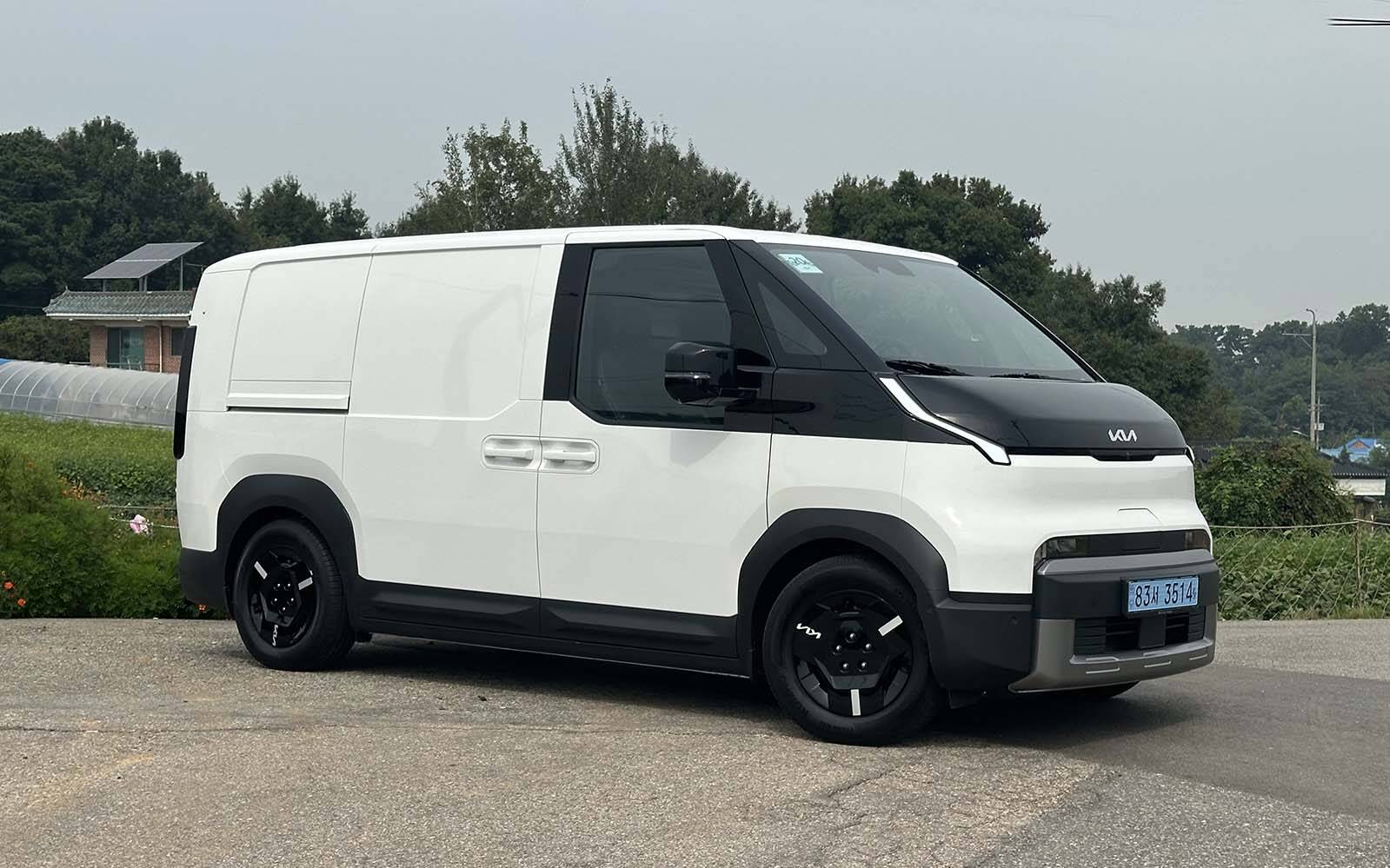
Kia will launch the PV5 in the coming months. Globally, customers will have a number of configurations to choose from—cargo, touring, taxi/limo, wheelchair-accessible vehicle (WAV). Only the first one will be available in Canada, mind you. If you want a touring van, Kia will happily sell you a Carnival.
Of course, the company isn't shutting the door on future opportunities, but the smart move is to first satisfy this crying need for compact cargo vans in North America. By the way, soon after posting a couple of pictures of the PV5 on social media, I was personally contacted by four different people inquiring about the possibility of getting a taxi or WAV variant. The folks at Kia Canada should be taking notes.
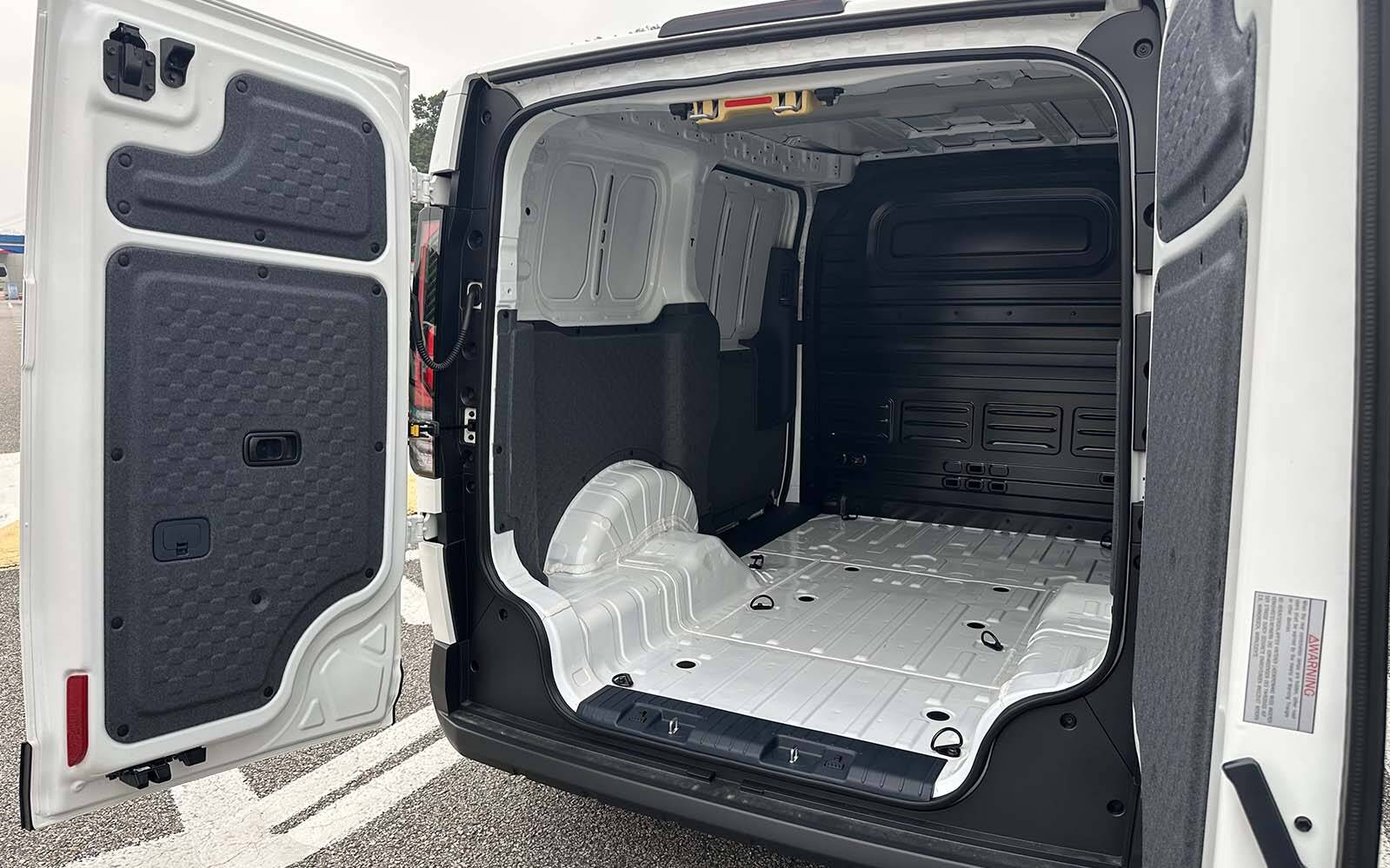
The PV5 will land on our shores in the fourth quarter of 2026 as a 2027 model. Standing 4,695 mm long (roughly the same length as a Sportage), it will feature the largest of the three battery packs available globally, with a capacity of 71.2 kWh. Payload is rated at 690 kg (1,500 lb).
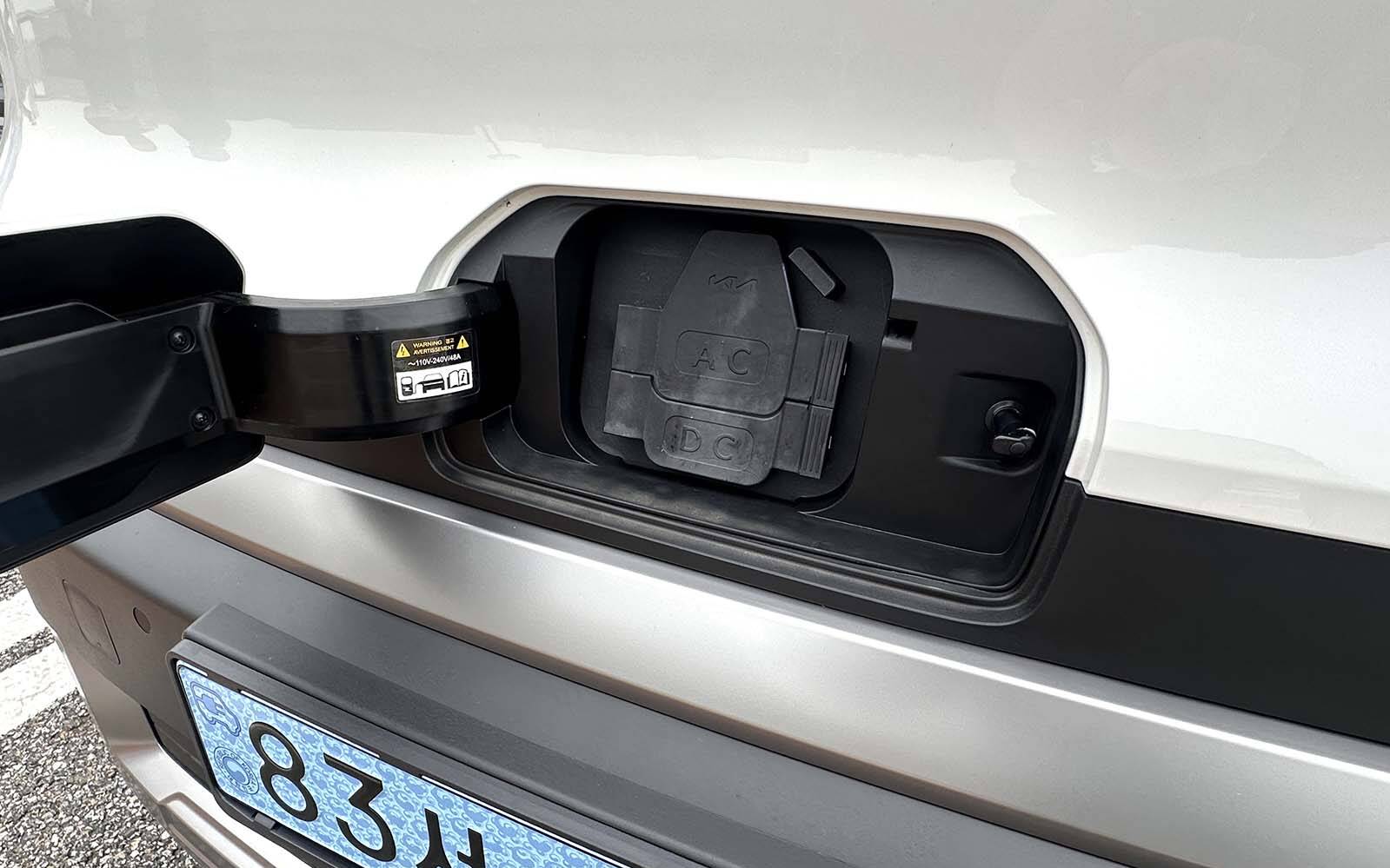
The E-GMP.S platform underpinning the PV5 is a utility version of the one used by the Kia EV6 and other EVs from Hyundai Motor Group. Canadian-spec units will offer a native NACS port enabling direct access to Tesla’s Superchargers and have the ability to charge from 10-80 percent in only 30 minutes at a DC fast charger.
It Can Be Fun, Too
Kia invited journalists for a test drive in the greater Seoul area, spending some time in heavy traffic but also on the highways leading up to the state-of-the-art Hwaseong factory, which builds one PV5 every four minutes. The seaside location allows Kia to quickly ship units to global markets, as is the case with the Sorento, K5, K8 and EV6.
Granted, the PV5 is no EV6 GT, but you'd be surprised how much fun it is. Nimble, responsive and highly maneuverable (with a turning circle equivalent to that of a small car), it’s a complete departure from previous cargo vans. Furthermore, the PV5 is quiet, offers a very comfortable driving position and proves surprisingly agile through traffic. While the 120 kW (161 hp) generated by its single electric motor doesn't produce lightning-quick acceleration, the instantaneous torque makes the PV5 feel like a big go-kart capable of going anywhere, fast.
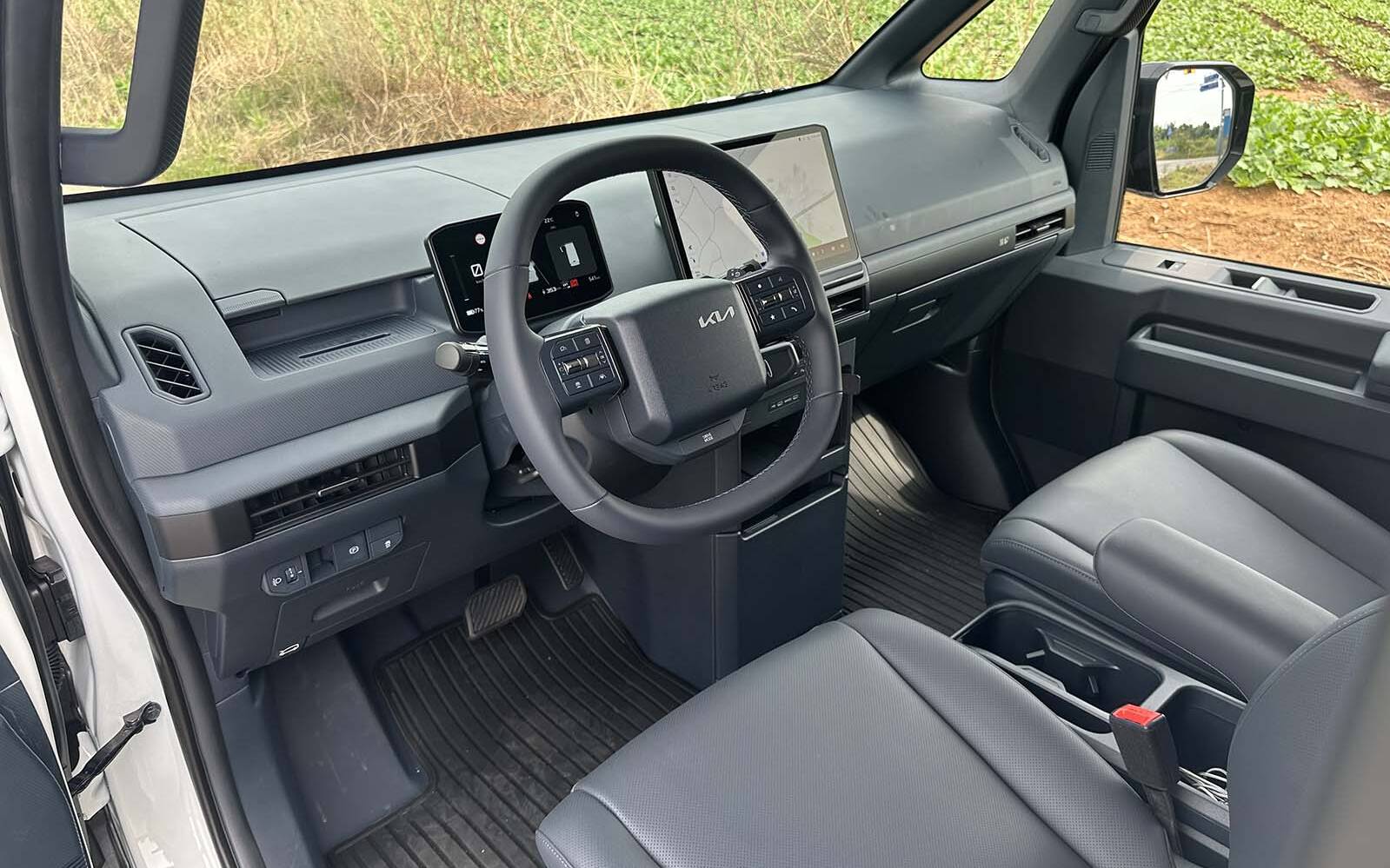
Range is just as impressive as the driving experience. A 215km roundtrip from the hotel where we were staying resulted in amazingly low energy consumption of 15.7 kWh per 100 km, with 253 km of range left in the battery according to the computer. While road conditions were ideal, this goes to show that the PV5 won’t have too much trouble adjusting to the Canadian climate. Incidentally, the drag coefficient of 0.29 is instrumental in maximizing range, giving the PV5 a serious edge over the Volkswagen ID. Buzz Cargo that’s sold in select countries.
Another key consideration is lower-cost repairs thanks to easily replaceable body parts. Customers who damage a bumper corner can replace only a section rather than the entire bumper. The same goes for the rocker panels and wheel arches—textured, unfinished parts that cost a fraction of the price of a full, painted part.
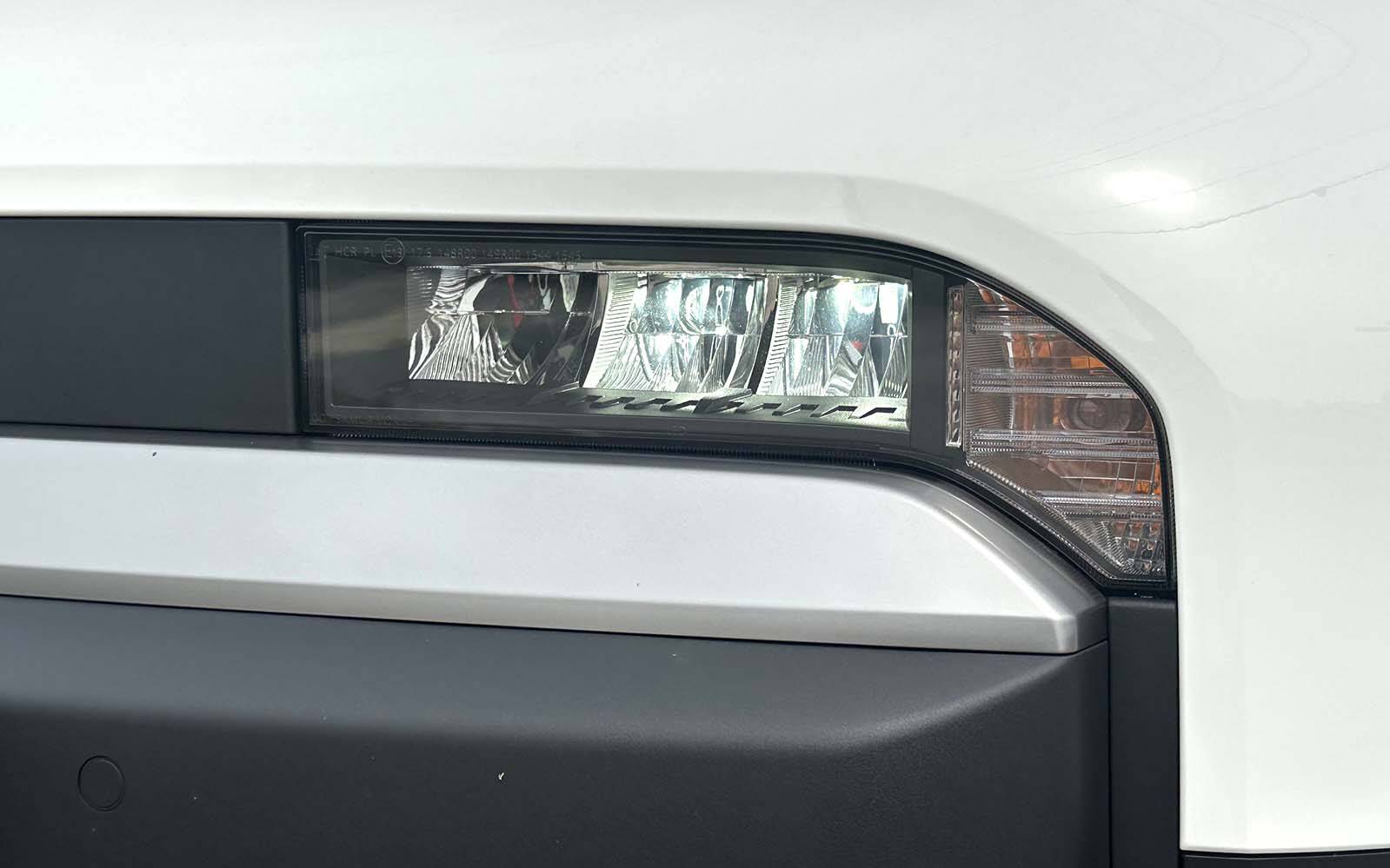
The uniquely and cleverly designed PV5 also features LED headlights that benefit from effective protection against damage. Between these is the conveniently located charging port, although the charge door opens laterally and not upwards.
Easy Loading
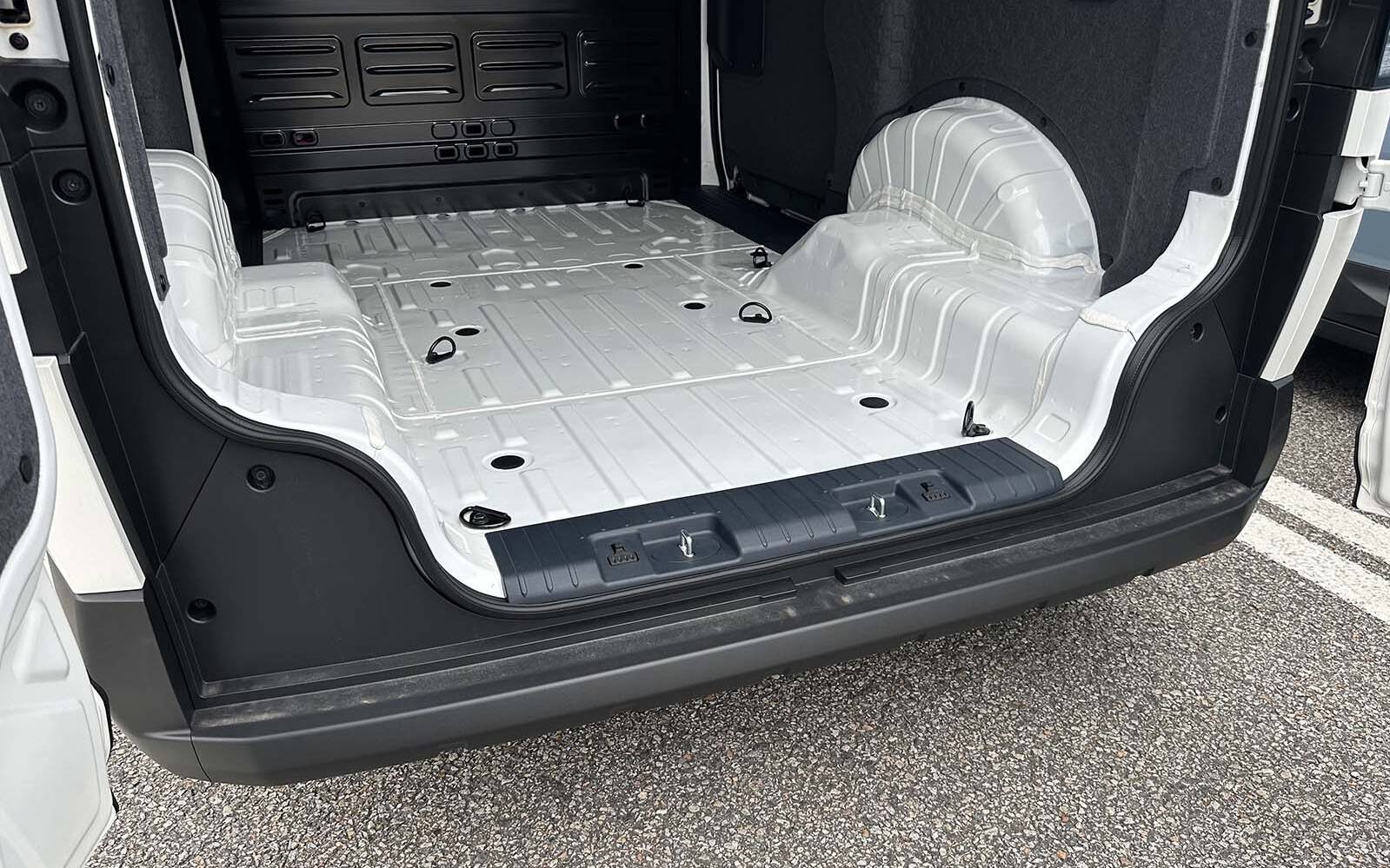
Charging the Kia PV5 is child’s play, and the same can be said about loading cargo. In addition to a gigantic cargo area, there’s a set of tall barn doors and a low step-in height of 419 mm. It’s super-easy to climb inside or load content into the PV5, which bodes well for daily use.
Features and amenities are plentiful, too, including multiple storage spaces, a wide-angle rear-view camera, 7.5-inch digital instrument display and 12.9-inch infotainment touchscreen that couldn't be easier to use. The latter is based on an Android Automotive operating system, but Apple CarPlay is still available. Highway driving assist, intelligent cruise control and automatic high beams are also part of the package, although Canadian-specific content will be announced at a later date.
What about pricing? Again, we’ll have to wait to find out. We’re guessing the 2027 Kia PV5 will start somewhere in the high $50,000 range. Considering its remarkable versatility, proven technology and low energy costs, it could make thousands of businesses happy. More good news: Kia seems to suggest that delivery times will not be an issue, unlike the Carnival’s.