All-New 2027 Chevrolet Bolt Has Arrived, And We Got to Drive It First
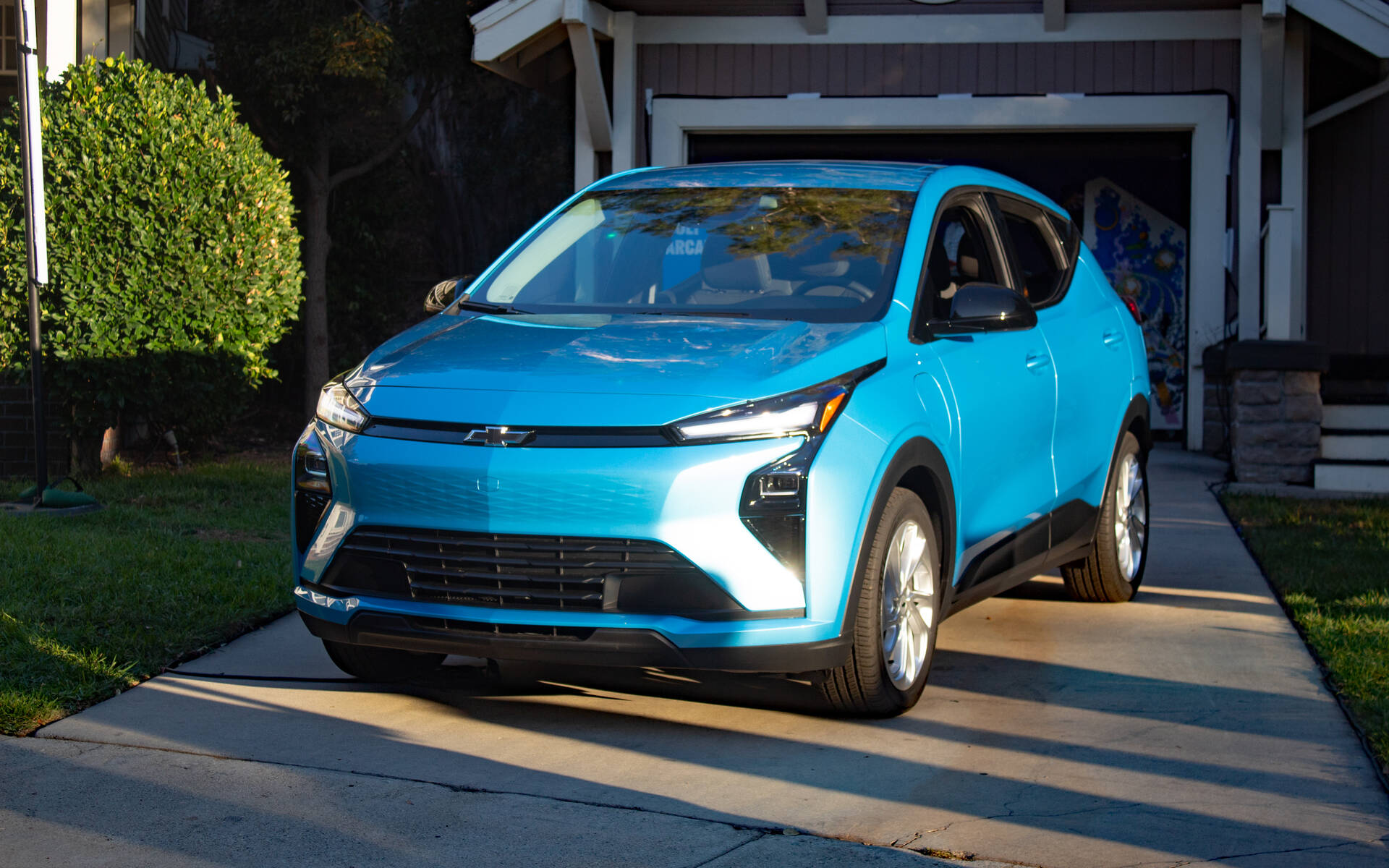
The Chevrolet Bolt EV enjoyed a nice run from 2017-2023, winning over many drivers thanks to its practicality, range and low price. Unfortunately, battery problems and a massive recall tarnished its reputation and otherwise commendable track record for reliability.
That’s all in the past now. After a few years of absence, Chevrolet is bringing the Bolt back to its electric vehicle lineup alongside the Equinox EV, Blazer EV and Silverado EV. The 2027 Chevrolet Bolt (no more “EV” in the name) will arrive at Canadian dealerships in the first quarter of 2026 as a limited-run model, starting at $39,999 in base LT trim ($43,470 including freight, PDI and other fees). Pricing for the sportier-looking RS is slightly higher at 46 025 $.
- Also: Here’s Your First Look at the New 2027 Chevrolet Bolt
- Also: GM Makes Major Plant Announcements Including Next-Gen Products
Updated Cabin With a Familiar Look and Feel
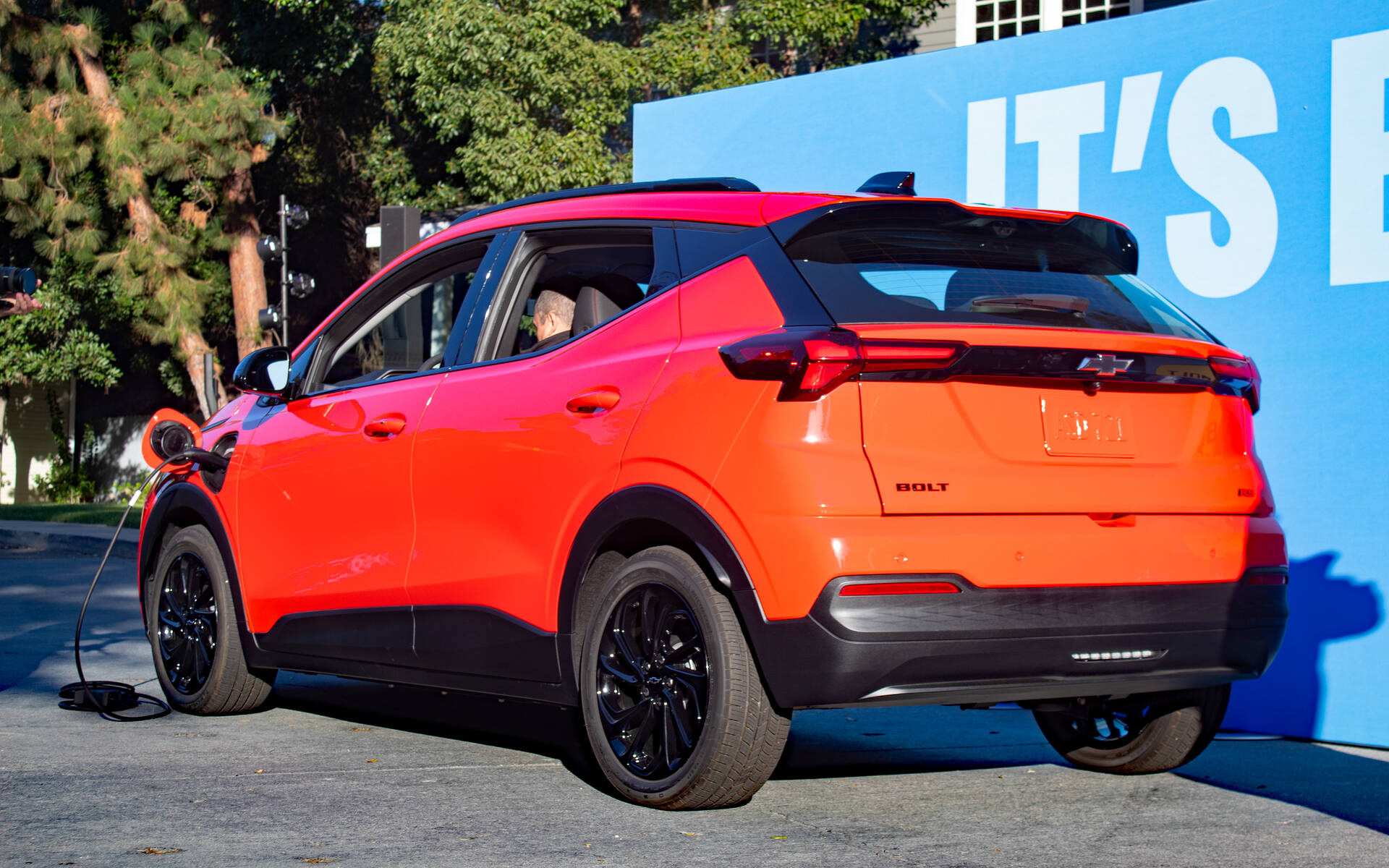
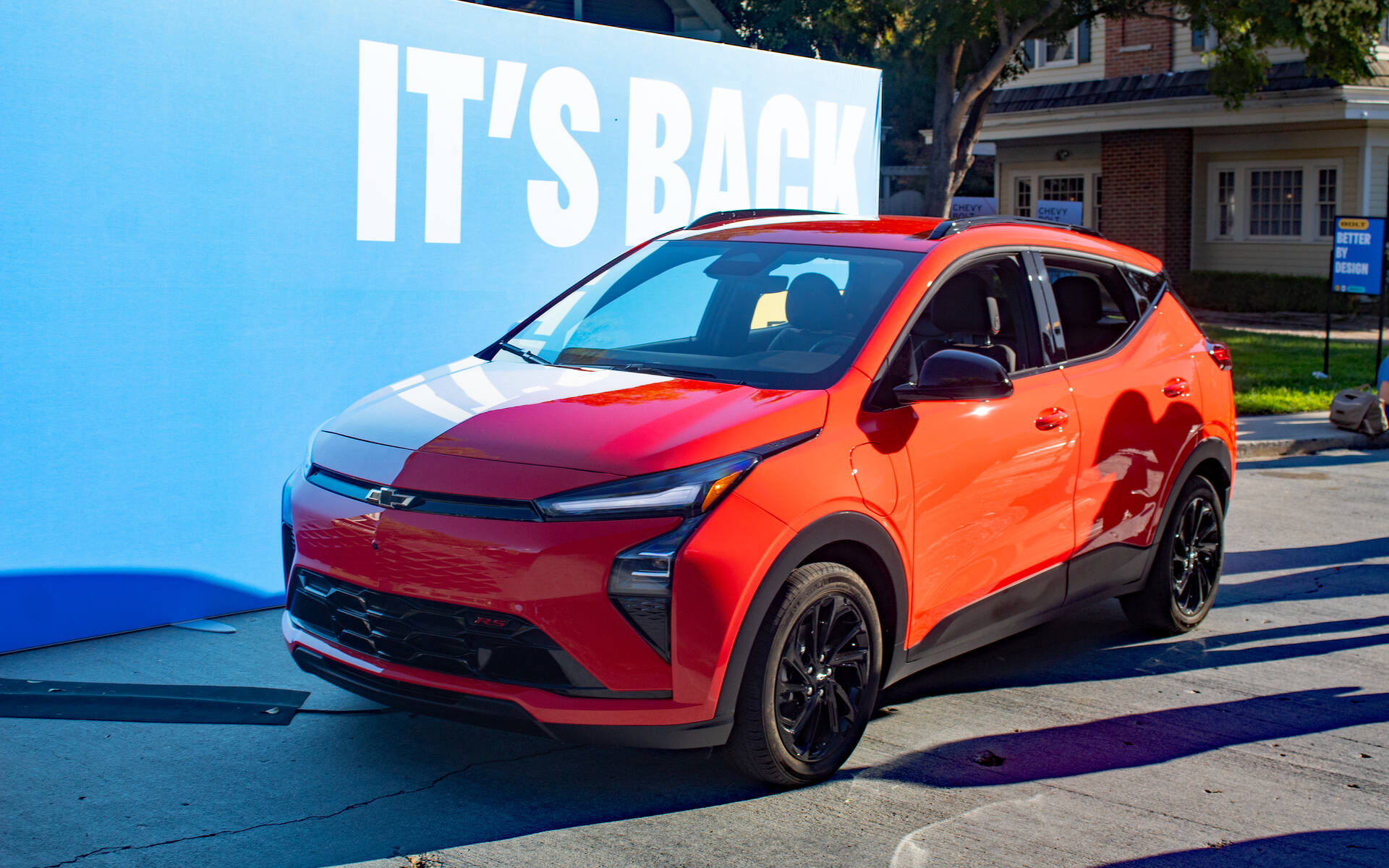
The Car Guide was on hand for the official debut of the 2027 Chevrolet Bolt this week, and we even got an exclusive opportunity to take the car for a spin on the roads of California. Let’s just say for starters that existing owners will find plenty of similarities with the original, more specifically the Bolt EUV body style. The rear turn signals are now integrated into the taillights, while the RS model visually stands out with unique badging, black wheels, and roof rails. What’s more, it can be ordered in yellow with an exclusive red interior.
The cabin offers generous space for both front and rear occupants, and the trunk includes an underfloor compartment for storing small items in addition to a charging cable. Incidentally, there's no frunk under the hood. The seats haven’t changed that much and provide decent comfort. The redesigned centre console features an open area at the front and incorporates a modular cup holder that can accommodate large water bottles. The shifter has been moved to the steering column.
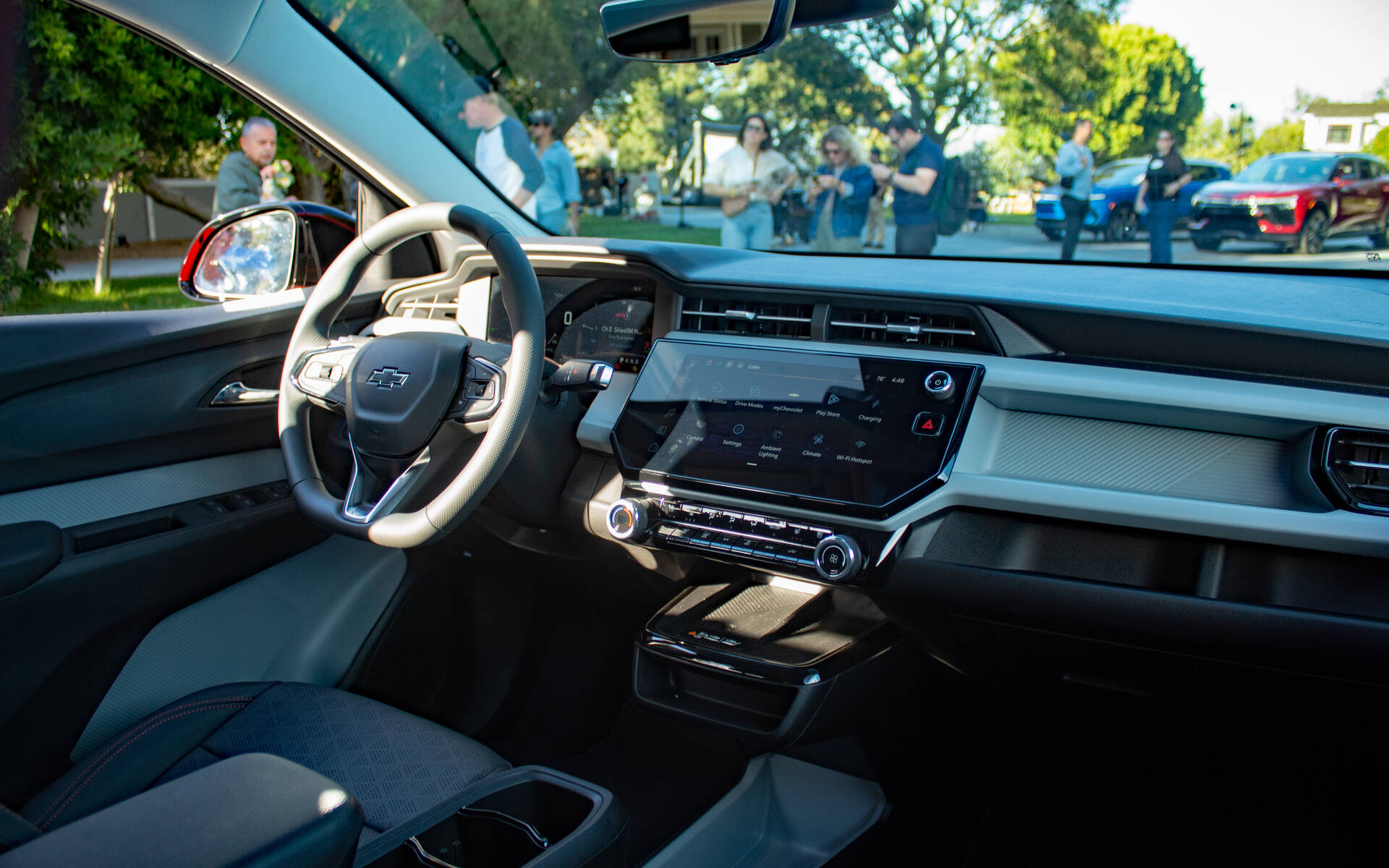
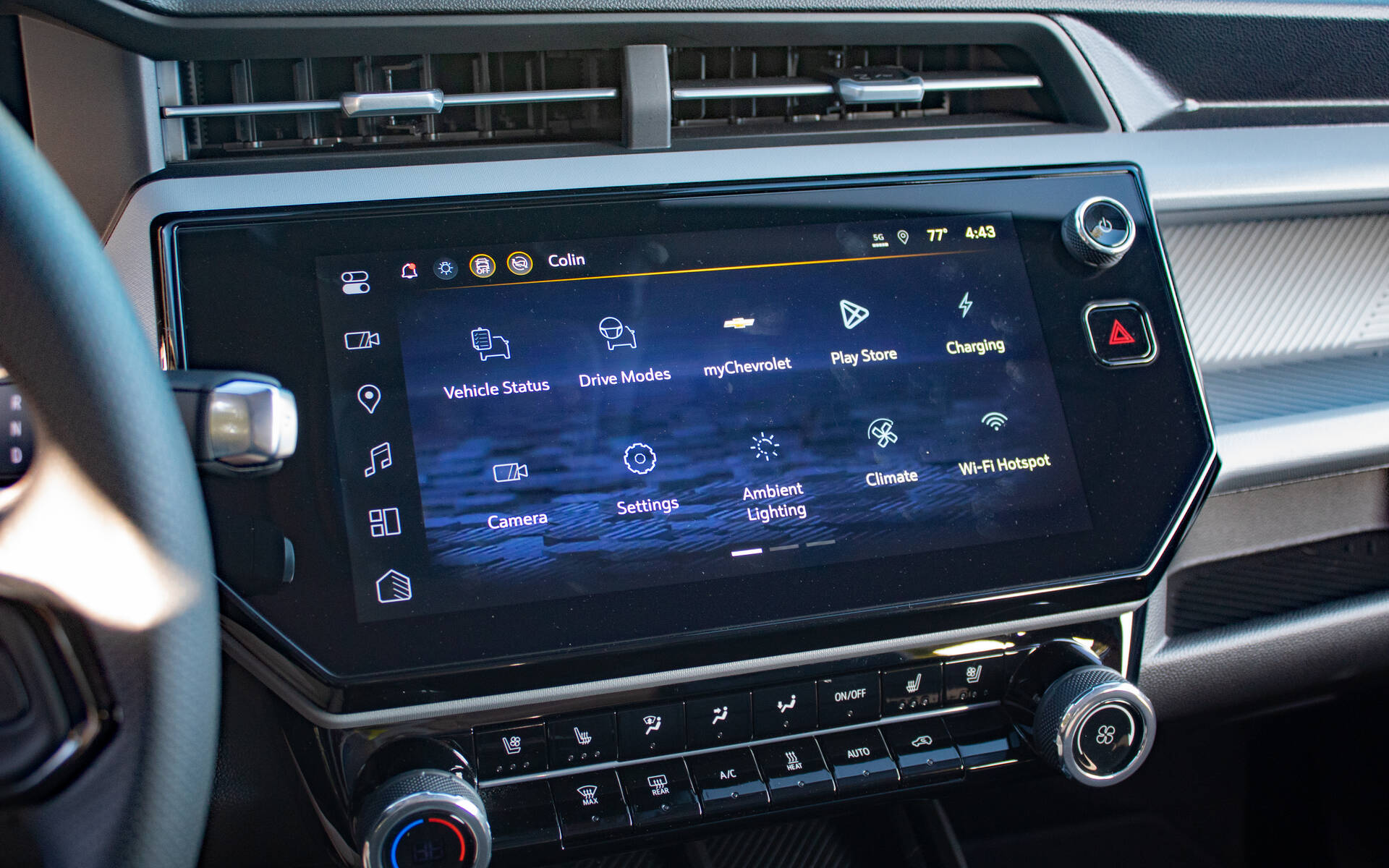
Arguably the biggest evolution can be found in the technology department. The new 11-inch digital instrument cluster shares the same design as other Chevrolet products. Ditto for the 11.3-inch infotainment touchscreen, which uses the Equinox EV's operating system with Google built-in. If you haven’t tried it yet, we can tell you it's very intuitive and pleasant to use.
When the Bolt is parked, the infotainment system allows occupants to play video games and stream content through various platforms such as Prime Video and Tubi. The LT and RS models can be upgraded with an optional technology package that adds Super Cruise hands-free driving (a Bolt first), among other features. It’s also possible to choose from a selection of seven body colours, while 17-inch wheels are available.
How’s the Drive?
We left the festive atmosphere in the heart of L.A.’s Universal Studios for a brief test drive of the new 2027 Chevrolet Bolt. Again, the experience is quite similar to that offered by the previous generation, so current owners will feel right at home.
Our time on the road proved too short to properly assess energy consumption and range. What you have to know is that the new LFP (lithium iron phosphate) battery from Chinese maker CATL has a usable capacity of 65 kWh, enabling a GM-estimated range of 410 km. For comparison, the Bolt EV and Bolt EUV were rated at 417 and 397 km, respectively.

GM would rather start producing its own LFP batteries at some point, but we couldn’t get more details from company officials at the event. A key improvement over the old Bolts is significantly increased charging power—now 150 kW instead of just 55 kW. Oh, and the CCS port has been replaced by an NACS port allowing direct access to Tesla’s Superchargers.
Chief engineer Jeremy Short told us that the charging curve is much more linear than in the past. In addition, the Bolt now includes a heat pump and a battery preconditioning system. As a result, it only takes 26 minutes to replenish the battery from 10-80%.
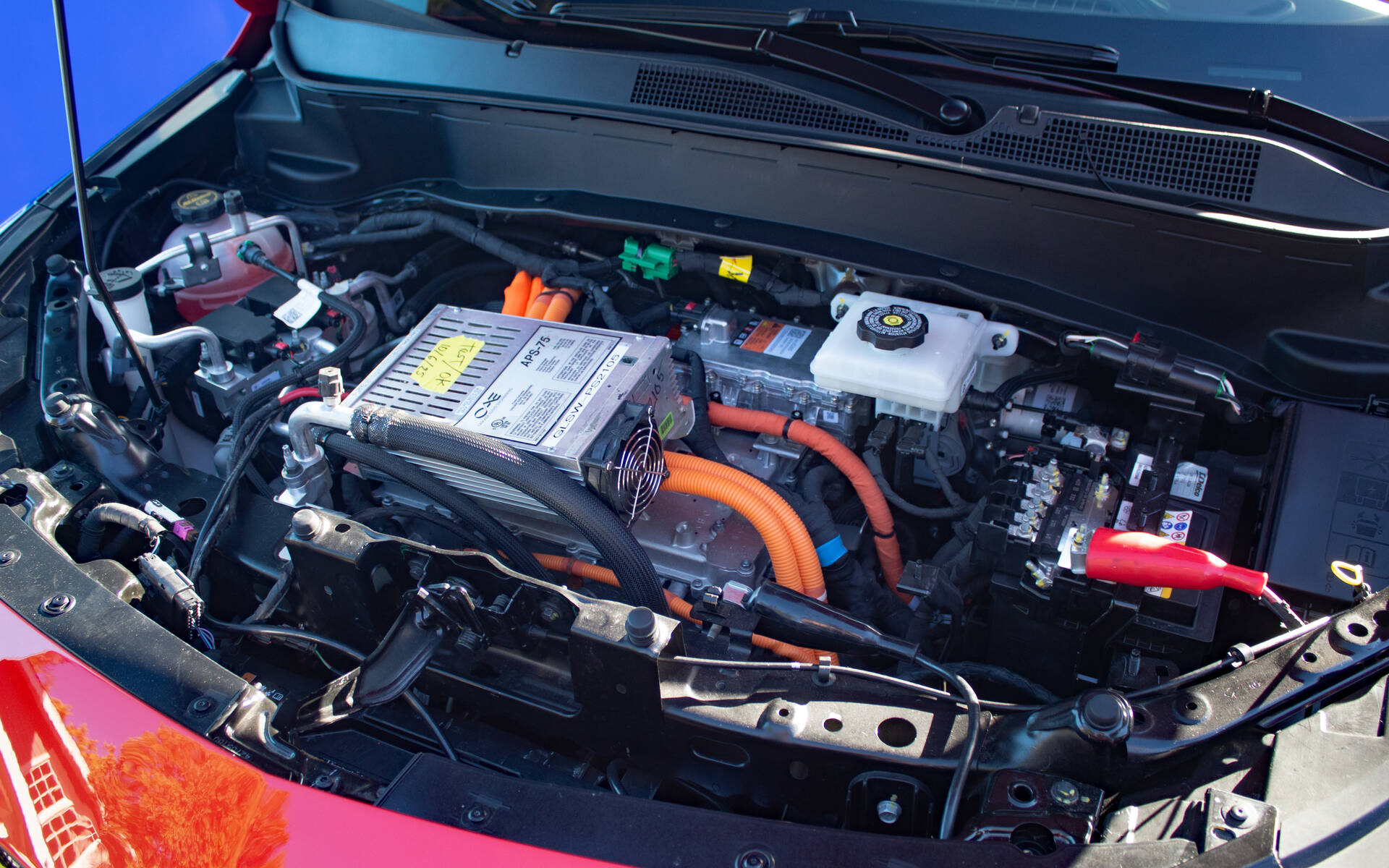
Codenamed X76, the permanent-magnet electric motor driving the 2027 Chevrolet Bolt’s front wheels was developed in-house. It actually comes from the Equinox EV. Forget about a second motor and all-wheel drive, however. With 210 horsepower and 169 lb-ft of torque available, acceleration is brisk, especially when driving around town. Passing manoeuvres on the highway are admittedly less impressive, yet quick enough most of the time.
The city remains the Bolt’s favourite playground and where it shines the most thanks to its superior maneuverability and excellent visibility. On that note, a front-mounted camera automatically activates when driving at low speeds, giving you a better view at intersections. Over 20 standard safety features are included, and customizable ambient lighting adds a new dimension to the interior at night.
Building on a Winning Formula
Low-priced new vehicles are becoming harder to find these days, but Chevrolet is back with a successful nameplate that people have come to associate with affordable electric mobility. The 2027 Bolt will launch next year as one of the cheapest EVs on the Canadian market along with the likes of the Fiat 500e (all-inclusive price starting at $42,290), Hyundai Kona Electric ($49,266) and Kia Niro EV ($48,976), plus the all-new 2026 Nissan LEAF ($47,846 in S+ trim).
The last three are all more expensive than the Bolt, while the fun and cute 500e offers a mere 227 km of range and less cargo space. Look for Chevrolet to enjoy lots of success with this second generation of the battery-powered hatchback.