2026 Toyota RAV4: Canada’s Pride
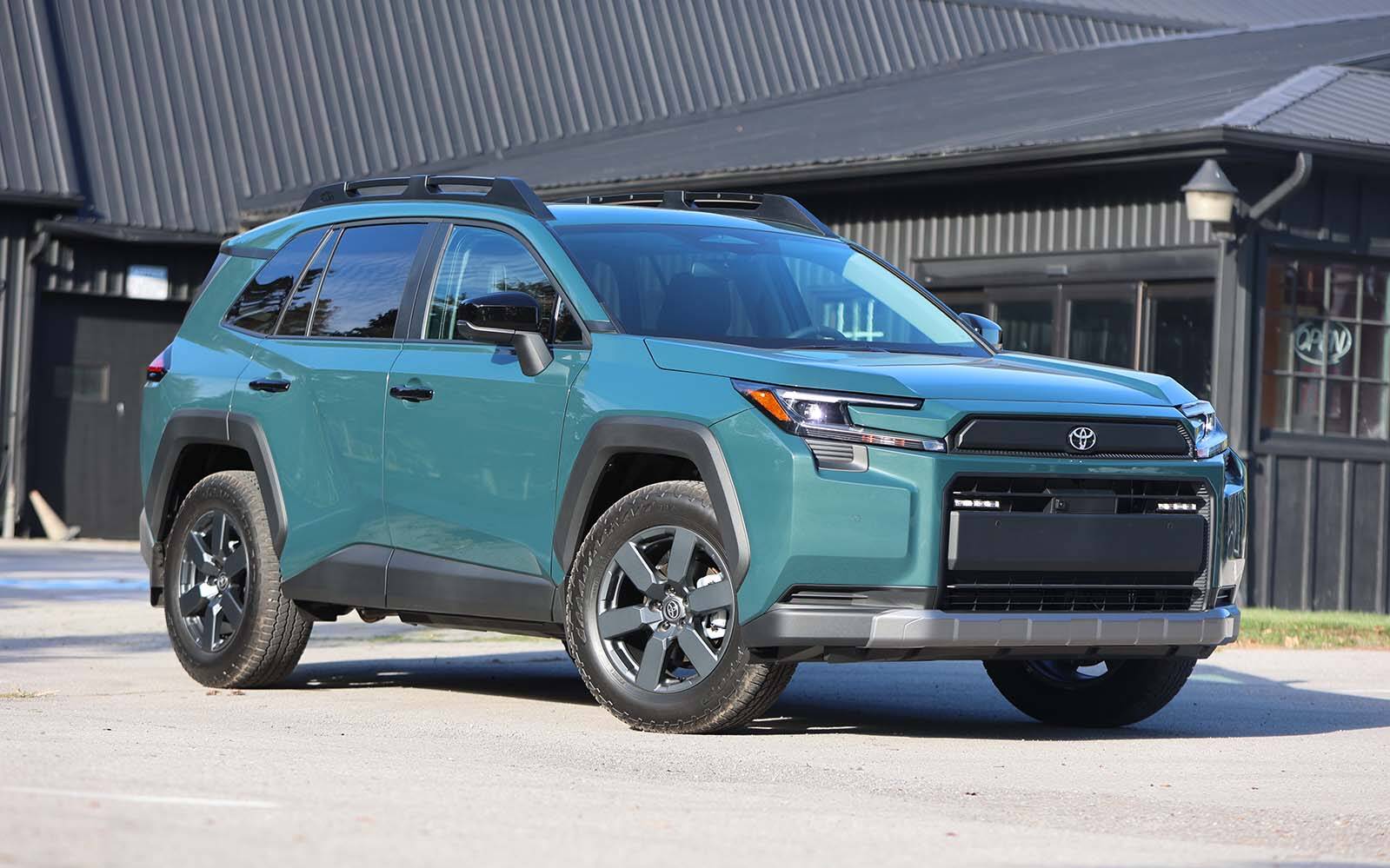
The Toyota RAV4 is the best-selling compact SUV in Canada and the U.S. Over 14 million units have been manufactured to date, including 4 million right here in Canada since 2009. Around 925,000 of those have been sold locally, and Toyota Canada intends to reach one million units to celebrate the RAV4’s 30th anniversary in 2026.
Of course, the company has plenty of reasons to be proud of its star and certainly doesn't want to lose its leading position in the market. The RAV4 is a benchmark for competitors and it also generates thousands of jobs at the Cambridge and Woodstock plants in Ontario—at a time when the Canadian automotive industry is facing mounting challenges and threats. The RAV4 may in fact serve as the flag bearer for Team Canada, with approximately 375,000 units built annually, not to mention the Lexus NX and RX that are also assembled in Cambridge.
- Also: Toyota Improves Multimedia System, to Debut in 2026 RAV4
- Also: Toyota Has No Plans to Move Production Out of Canada

Toyota recently invited auto journalists to southern Ontario for a program that included several hours of driving, a product presentation and a tour of the Woodstock plant where RAV4 batteries will be produced. Remember, all 2026 RAV4 models will be electrified after the outgoing RAV4 Hybrid and RAV4 Plug-in Hybrid managed to account for 48 percent of sales last year.
That number is down so far in 2025 due to a shortage of batteries. It is critical for Toyota to address this situation in order not to lose market share to the still-growing Honda CR-V and new rivals such as the next-generation Jeep Cherokee (with available hybrid technology).
Exclusively Hybrid
Toyota is further committing to its proven hybrid systems by eliminating the gas-only RAV4 for 2026. All-wheel drive will also come standard since a second electric motor is mounted on the rear axle and driving the rear wheels. As is the case with the outgoing model, the AWD system is electronically controlled—there is no driveshaft, unlike many other SUVs.
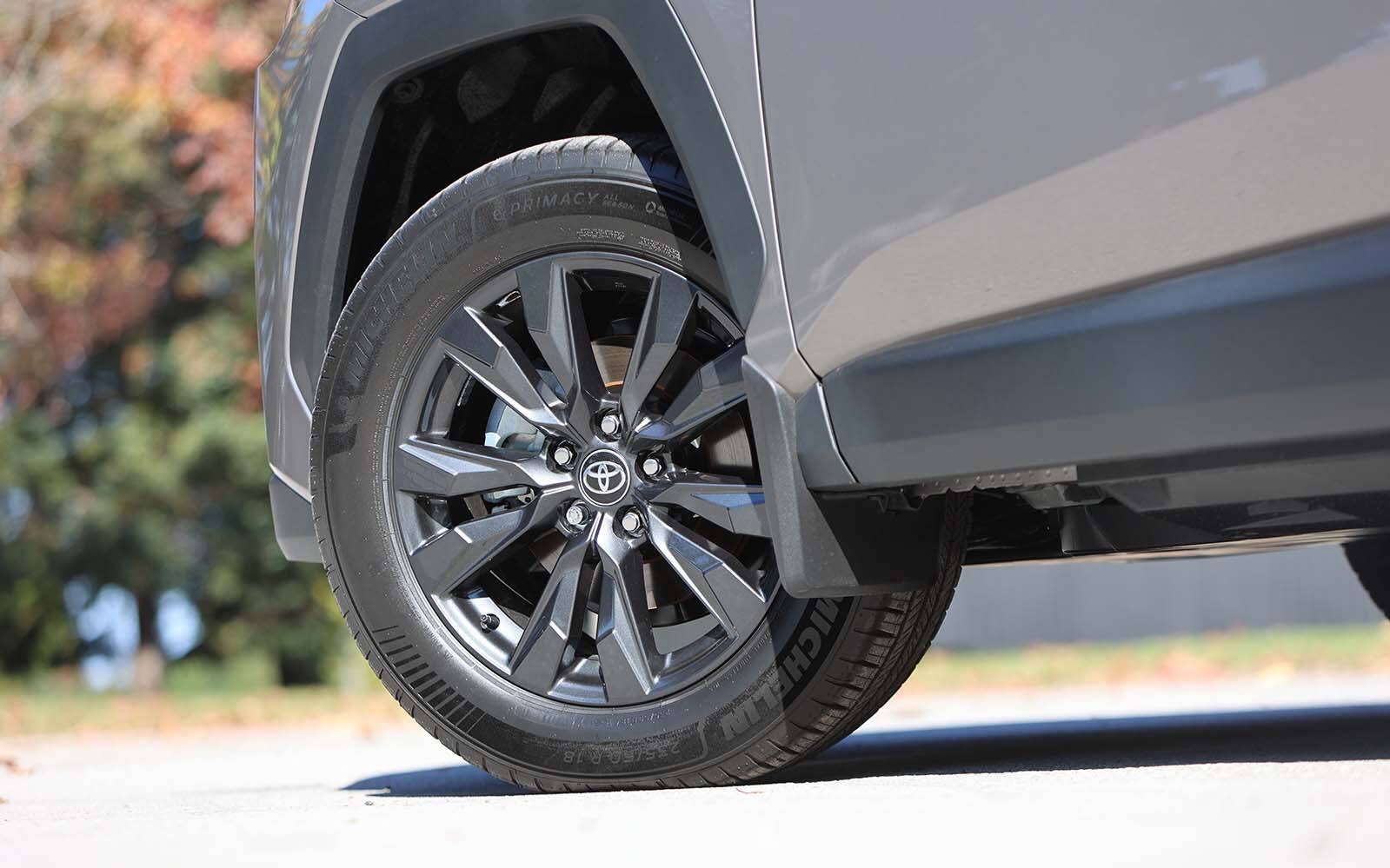
Thanks to Toyota’s expertise and latest efforts, here we have the most powerful (236 horsepower) and most fuel-efficient (5.4-6.0 L/100 km depending on the model) compact hybrid SUV on the market, and the only one capable of towing up to 3,500 lbs. As a matter of fact, only the base LE model is limited to 1,750 lbs as it does not have an upgraded transmission oil cooler.
There are five hybrid trim levels to choose from, ranging from LE to Limited. One of them, called Woodland, is likely to be a huge success with a raised and firmer suspension, all-terrain tires and more improving handling and off-road capability while pleasing customers who want a more rugged-looking SUV.
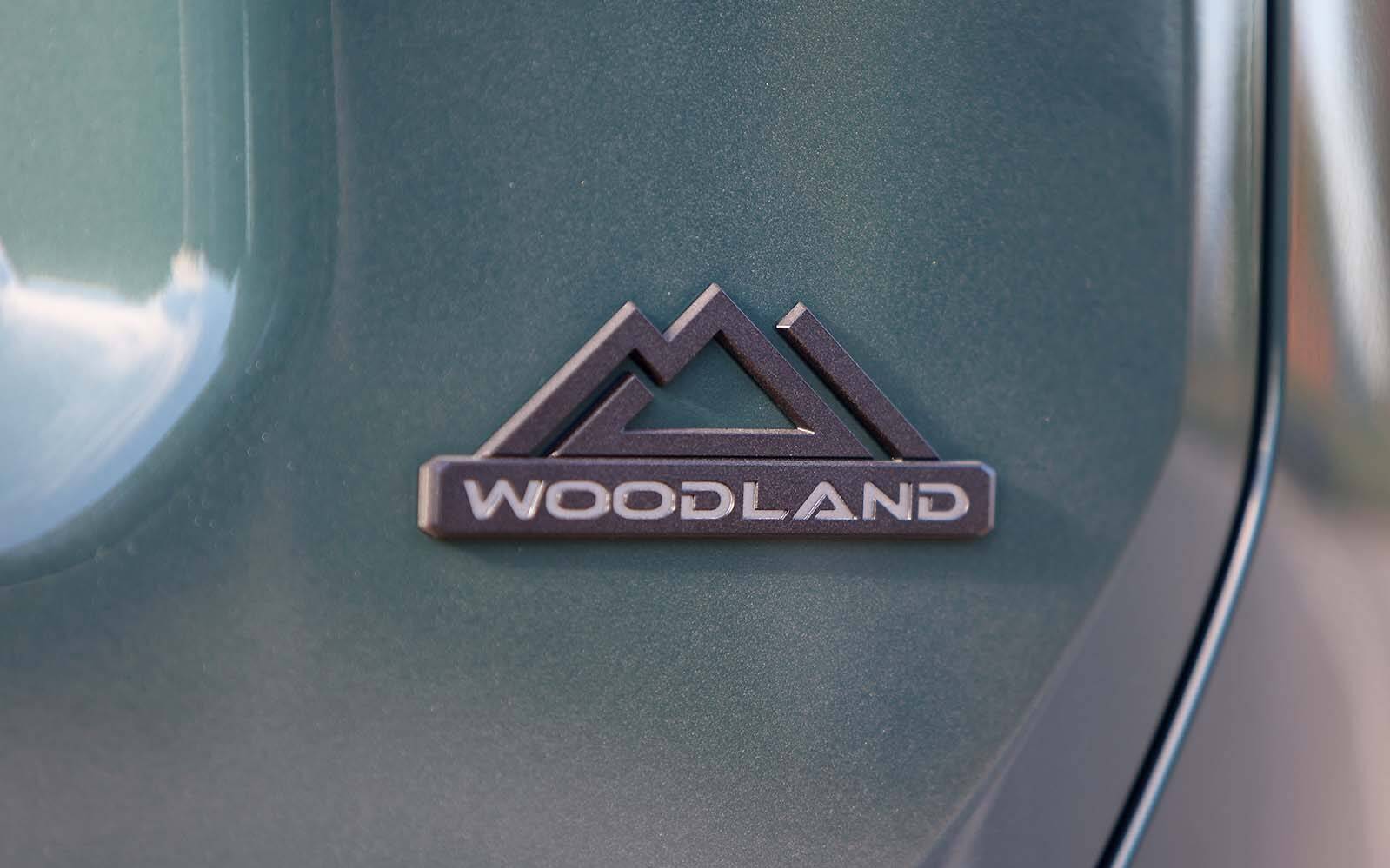
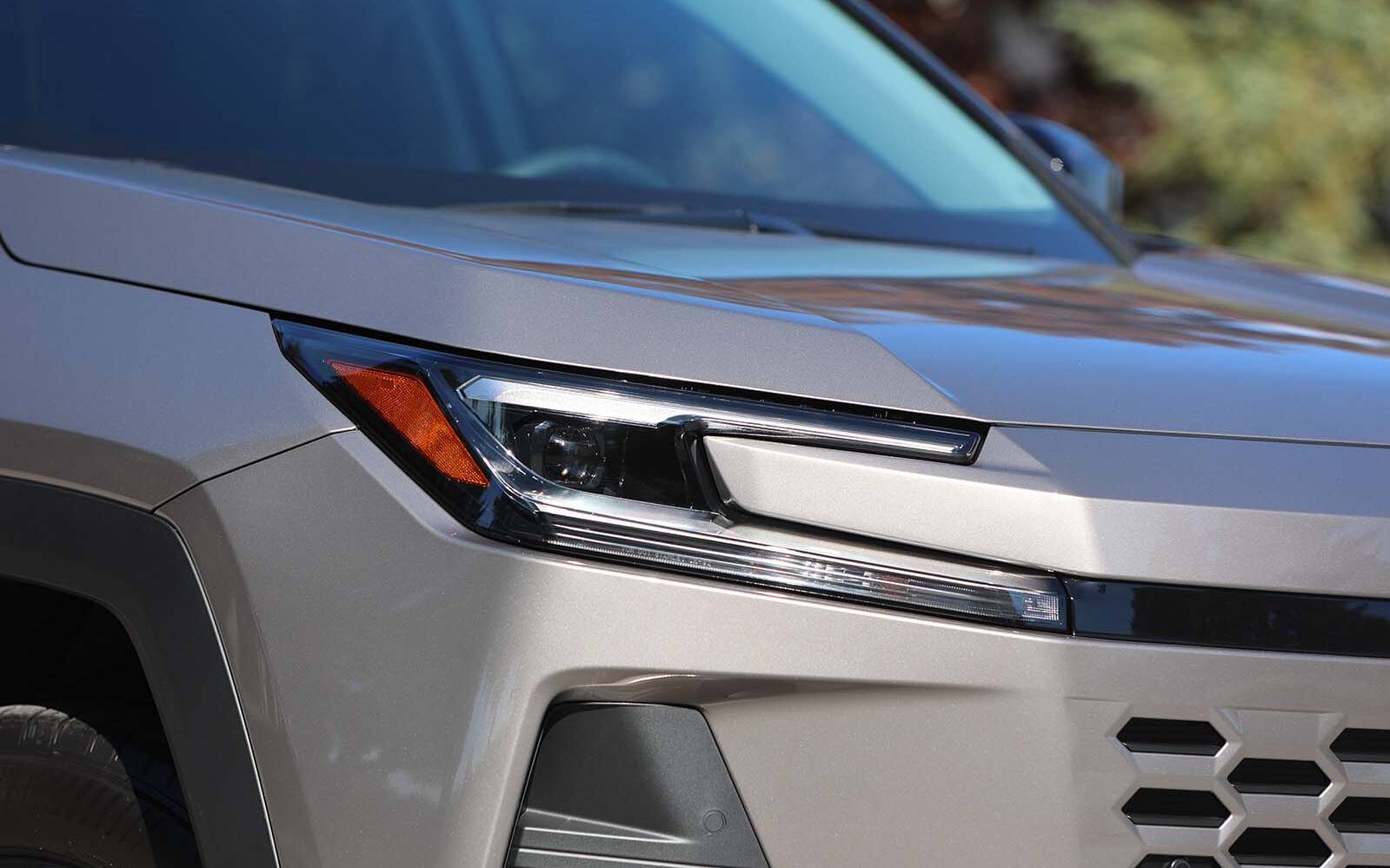
As you can see on the pictures, the RAV4 Woodland sports a unique front fascia that gives it more character, plus roof rails, gloss black trim, matte-finish wheels and Rigid Industries fog lights with either white or yellow lighting. Exclusive body colours will be available for this model, too. The bad news? You'll probably have to wait longer for it.

Sure, the RAV4 Woodland burns a bit more fuel than other models due to the more aggressive tires and 20 mm of extra height. However, with a combined average of 6.0 L/100 km, it still proves more efficient than a Honda CR-V Hybrid (6.4 L/100 km), Hyundai Tucson Hybrid (6.6 L/100 km), Mazda CX-50 Hybrid (6.2 L/100 km) or Subaru Forester Hybrid (6.9 L/100 km). In fact, the only other SUV in the segment that achieves 6.0 L/100 km is the Ford Escape, and that one will end production before 2025 is over.
On the Road
We got the opportunity to drive three different versions of the new 2026 Toyota RAV4 during our test drive. The Woodland attracted every single writer and influencer on hand, but there was also an XLE model equipped with the Premium package (a volume seller, for sure) and a base LE model. Other RAV4s featuring PHEV technology, built in Japan instead of Canada, will launch a few months later, so none were available for testing at the event.

Clearly, the RAV4 XLE riding on 18-inch wheels and standard tires offers ideal balance with remarkable comfort and increased stability. Road and wind noise is slightly louder with the Woodland due to the crossbars on the roof and the all-terrain tires below. In contrast, the 17-inch wheels aren’t as stable at highway speeds (we found this out after driving the other models), while the available 20-inch wheels in XSE trim are likely to affect ride quality.
Blessed with more responsive steering and optimized low-end torque, the RAV4 is now more inspiring to drive, although not as dynamic as a Subaru Forester. The cabin is more comfortable and quieter, as well, in part thanks to extra sound-deadening material. As mentioned earlier, total output is increased to 236 horsepower, making it almost twice as powerful as the original RAV4 from 1996 (120 horsepower). Talk about an evolution! Toyota officials at the time would never have imagined that the RAV4 would one day become the most popular passenger vehicle in the country.

Under hard acceleration, the new RAV4 impresses with relentless energy. It doesn't run out of steam, so to speak, and delivers fantastic torque so you don’t have to put as much pressure on the throttle, thus saving gas. Our XLE tester achieved a combined 5.4 L/100 km (better than Toyota’s estimated 5.6 L/100 km), but the LE was even more frugal with a score of 5 L/100 km after 235 km of driving (with over half the time spent on the highway). Granted, the temperature was a favourable 18 degrees Celsius, but can you believe that a 236-horsepower, AWD-equipped RAV4 that can tow up to 3,500 lbs requires 15 percent less fuel than the recently discontinued Mitsubishi Mirage, which featured a 78-horsepower, three-cylinder engine? Heck, it’s even more efficient than the 138-horsepower Corolla Hybrid XSE we drove a short while ago.
That kind of performance makes us question the need for a PHEV variant that will cost anywhere between $8,000-$10,000 more when comparably equipped. Considering an average of 5.5 L/100 km and gas prices of $1.60/L, the annual fuel cost for a RAV4 Hybrid would be around $1,750, meaning that you would have to drive the RAV4 PHEV for 7-8 years to get a return on your investment—and that’s assuming you would rely on the internal combustion engine no more than 20 percent of the time and do all of your charging at home. We’ll have a clearer picture once we get full pricing details, but without any incentives from governments, we think it will be hard to make a case for the PHEV.
A Big Disappointment Inside
To be clear, the RAV4s we tested were pre-production units that will never be sold to the public. Some interior panels and trim pieces were made of lower-quality material or did not reflect the manufacturer's standards. Still, the cabins looked pretty dull and gave the impression that Toyota turned to the lowest bidder when sourcing materials. Even the somewhat upscale Limited model paled in comparison to a Mazda CX-50 or the new Volkswagen Tiguan.
The grey plastics everywhere combined with a lack of contrast and glamour are a big disappointment, which could lead some customers to choose the Woodland. The latter stands out with many decorative elements and greater attention to detail, although finish is not overly impressive.
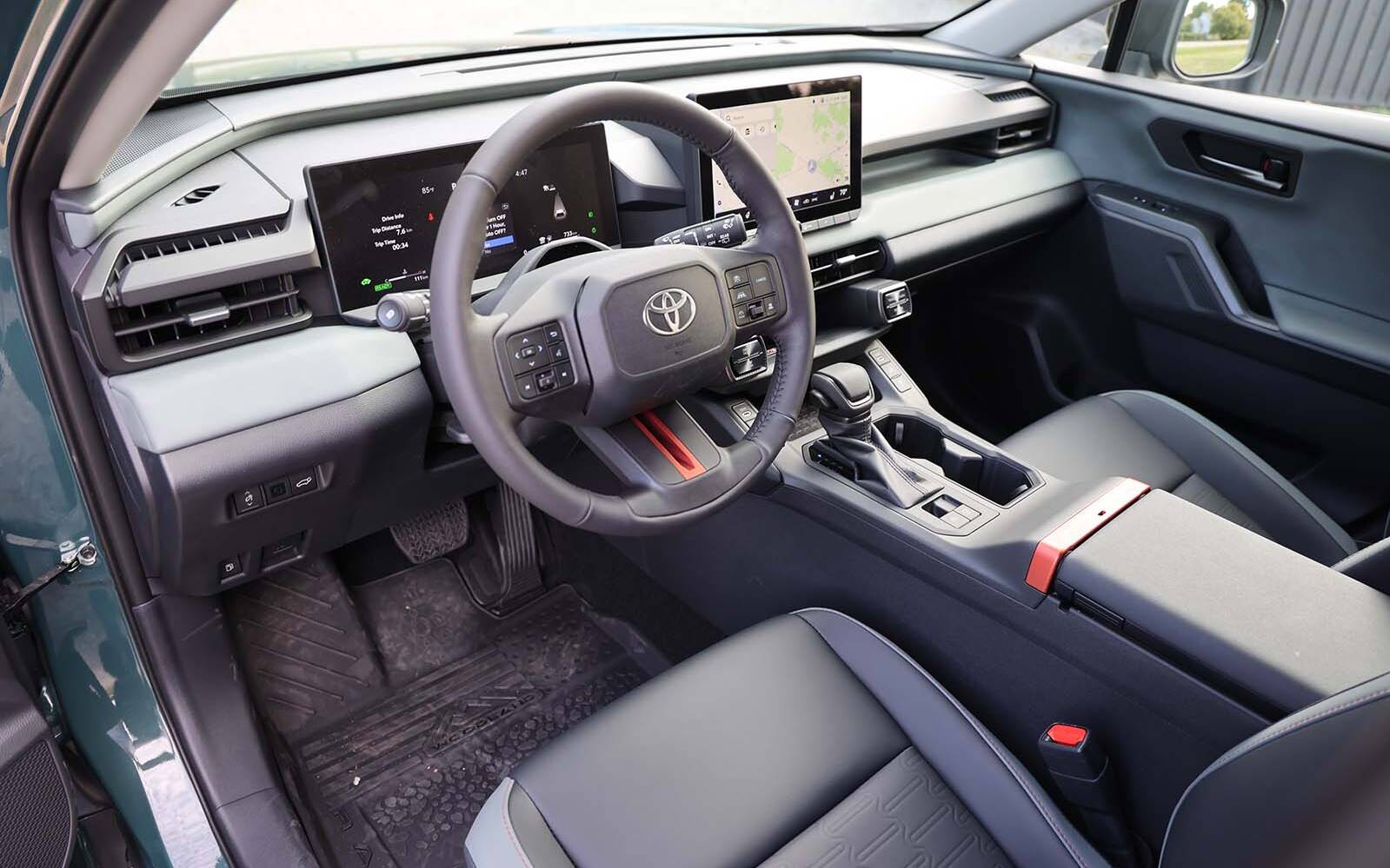
On the bright side, Toyota deserves praise for crafting a remarkably comfortable and ergonomic environment. Interior space is more generous than ever, the driving position is perfect, and visibility is enhanced thanks to the larger quarter windows and rear window. With the exception of the entry-level LE model, all RAV4s are equipped with Softex synthetic leather, which is pleasant to the touch and more durable. Depending on the trim level, you might find contrasting stitching and two-tone upholstery.

The new RAV4 features a versatile centre console with a reversible armrest that allows for two types of surfaces, as well as access from both sides. Tiered storage compartments are part of the mix, too, plus a wireless phone charger (except on LE). Higher in the lineup, Toyota swaps the traditional shifter for an electronic one, resulting in even more space. It would be nice to offer it as standard, but the point is to encourage customers to move up and spend more money.
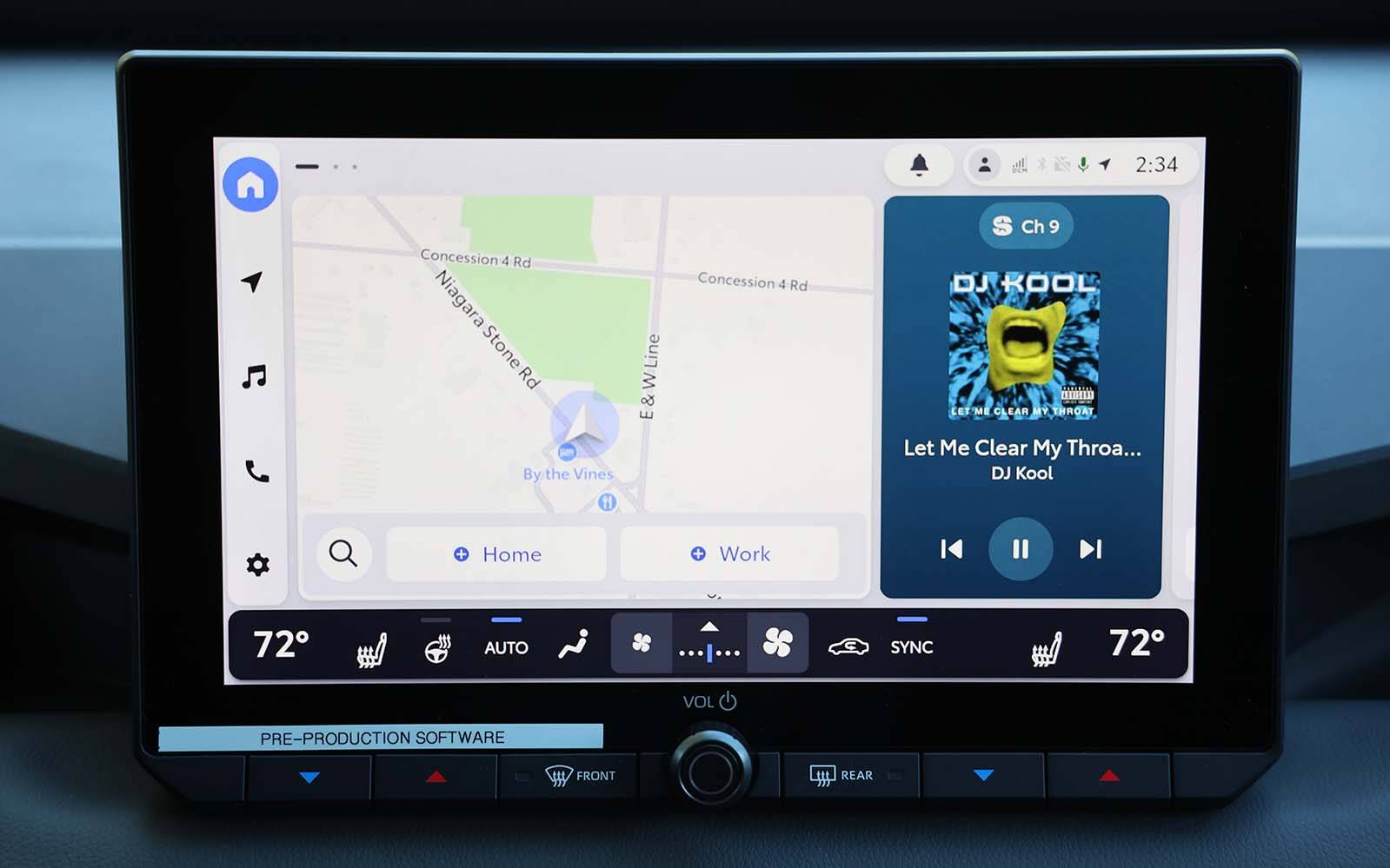
Likewise, we would rather have the 12.9-inch centre touchscreen in every model, not just the XSE and Limited. Or maybe we’re nitpicking, because the standard display is still 10.5 inches in size. All RAV4s offer wireless Apple CarPlay and Android Auto, and the instrument cluster is now fully digital on a 12.3-inch screen. To be completely honest, the graphics are nothing to write your mom about, but they make for a simple and easy-to-use interface. And thanks to Toyota’s new Arene software development platform, some features can be updated over the air with just the touch of a button.
Said platform will be the foundation for Toyota’s most advanced safety, security and connectivity technologies going forward. In particular, it will make it harder for thieves to steal the vehicle. Arene will also power the new version of the automaker’s standard active safety suite (Toyota Safety Sense 4.0), which benefits from updates to its hardware and detection capabilities.
PHEV to Arrive Later
The 2026 Toyota RAV4 will arrive in early 2026. Canadian pricing will be announced closer to launch, but expect a range of $39,000-$55,000 for models with a traditional hybrid powertrain. As for the three PHEV models (SE/XSE/GR-Sport), they are slated to land in the spring. Naturally, all eyes will be on the first-ever RAV4 GR-Sport, which aims to spice things up in a rather conservative SUV segment. It’s the only model that can’t be used for towing, mind you, but it promises an exhilarating driving experience on par with other Gazoo Racing (GR) products.
Although the PHEV system’s output has been increased from 302 to 320 horsepower, we feel like Toyota has under-achieved in the battery department. You see, the new 22.8kWh pack offers 20 percent extra capacity, yet pure electric range is up just 15 percent—from 68 to 80 km. It nearly matches the battery in the original Nissan LEAF (24 kWh), which could travel up to 130 km when fully charged. Toyota did optimize charging speed and incorporate DC fast charging capability, which sounds promising, but we won’t know for sure how the new RAV4 PHEV performs in the real world until we can take it for an extended test drive.
Until then, well, we can still safely assume that the 2026 Toyota RAV4, while not without flaws, will maintain its No. 1 position in the market. Generous selection, pleasant ride and handling, a spacious interior and exceptional fuel economy will convince a lot of drivers looking for a compact SUV. What about Cablegate? History won’t repeat itself, Toyota assures, because the design of the high-voltage cable connecting the rear motor to the battery has long been fixed. Many RAV4 Prime owners have lost trust and earning it back won’t be easy, though.
Watch: 2026 Toyota RAV4 Debuts as Hybrid-Only SUV
| Test drive report | |
| Test model | N/A |
|---|---|
| Trim level | Hybride Woodland |
| Price range | N/A |
| Price as tested | N/A |
| Warranty (basic) | 3 years/60,000 km |
| Warranty (powertrain) | 5 years/100,000 km |
| Fuel economy (city/highway/observed) | 5.7 / 6.5 / 6.1 L/100km |
| Options | N/A |
| Competitive models | Chevrolet Equinox, Ford Bronco Sport, Ford Escape, GMC Terrain, Honda CR-V, Hyundai Tucson, Jeep Cherokee, Jeep Compass, Kia Sportage, Mazda CX-5, Mitsubishi Outlander, Nissan Rogue, Subaru Forester, Volkswagen Tiguan |
| Strong points |
|
| Weak points |
|
| Editor's rating | |
| Fuel economy | The best fuel economy among compact hybrid SUVs. |
| Comfort | Although the Woodland model’s ride is a tad stiffer, comfort levels are still remarkable. |
| Performance | Power is increased and trumps every other contender. |
| Infotainment | Higher-end models get a more advanced system, but the latter is not going to become a benchmark. |
| Driving | Handling is sharper now thanks to a revised suspension and more responsive steering. Also, soundproofing is improved. |
| Overall | The new RAV4 is bound to enjoy a ton of success. A more extensive yet hybrid-only lineup makes up for a lackluster interior design. |