2026 Toyota Corolla: Buy Now or Wait For the Next One?
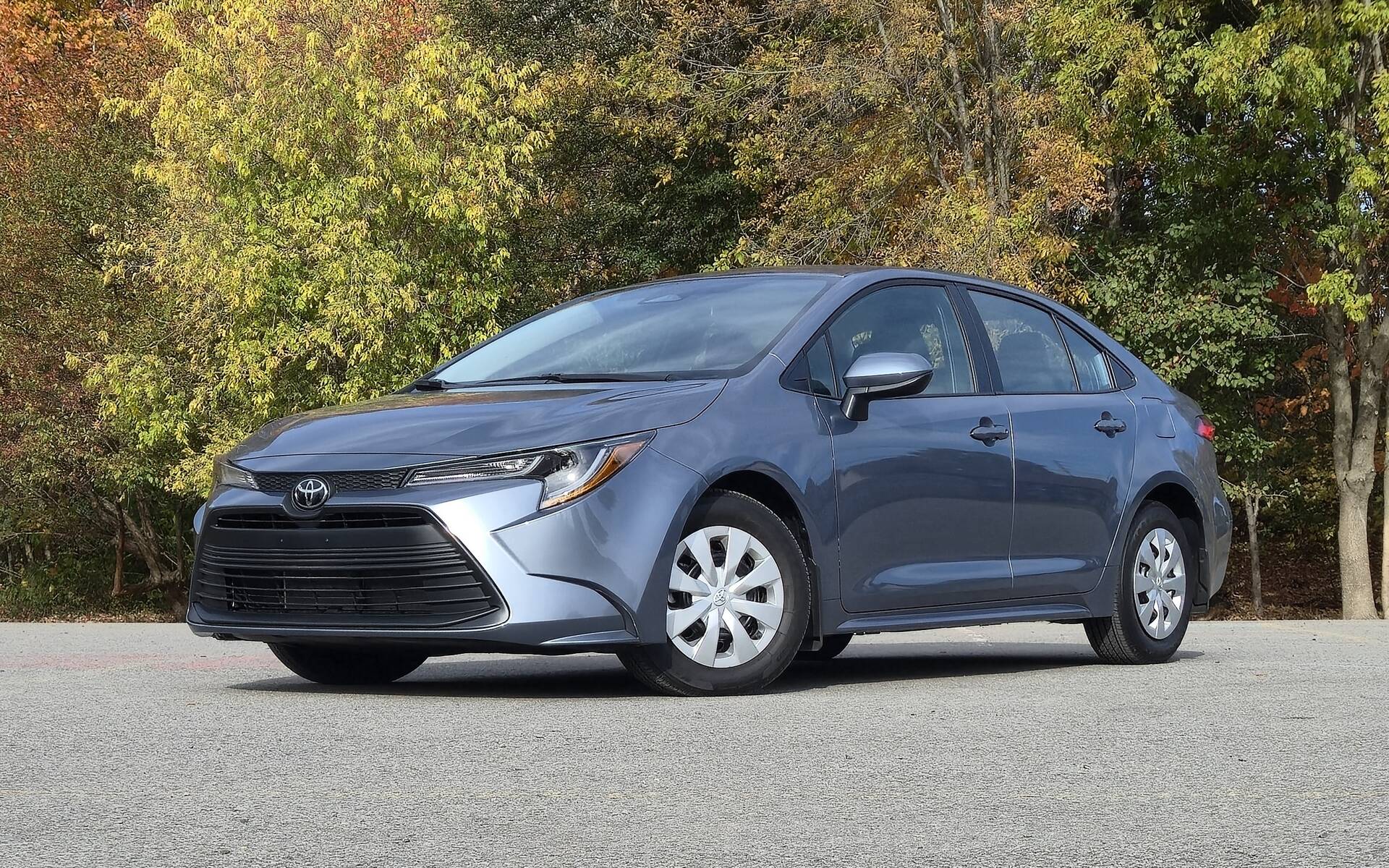
Despite nearing the end of its current lifecycle, the Toyota Corolla remains one of the best buys in the compact car segment. It offers the same desirable attributes it’s always had: excellent reliability, low ownership costs (maintenance and fuel consumption) and high resale value.
That said, many potential customers could be tempted to wait for the launch of the next Corolla, likely in 2026 as a 2027 model. What to do? After recently testing the sedan, we thought we'd present you with both options.
- Also: EV-Like Toyota Corolla Concept May Preview Next Generation’s Styling, Tech
- Also: 2026 Toyota Corolla Makes One Last Stop Before Upcoming Redesign
2026 Corolla: Few Changes, Still a Smart Pick
As we wrote in a previous story, the changes to the 2026 Corolla lineup are limited to a few equipment revisions. For example, a 7-inch digital gauge cluster (instead of a 4.2-unit) is now standard on all gas models, an updated 12.3-inch digital gauge cluster can be found on SE and XSE hybrid models, and a tire pressure monitor system is added to several models.
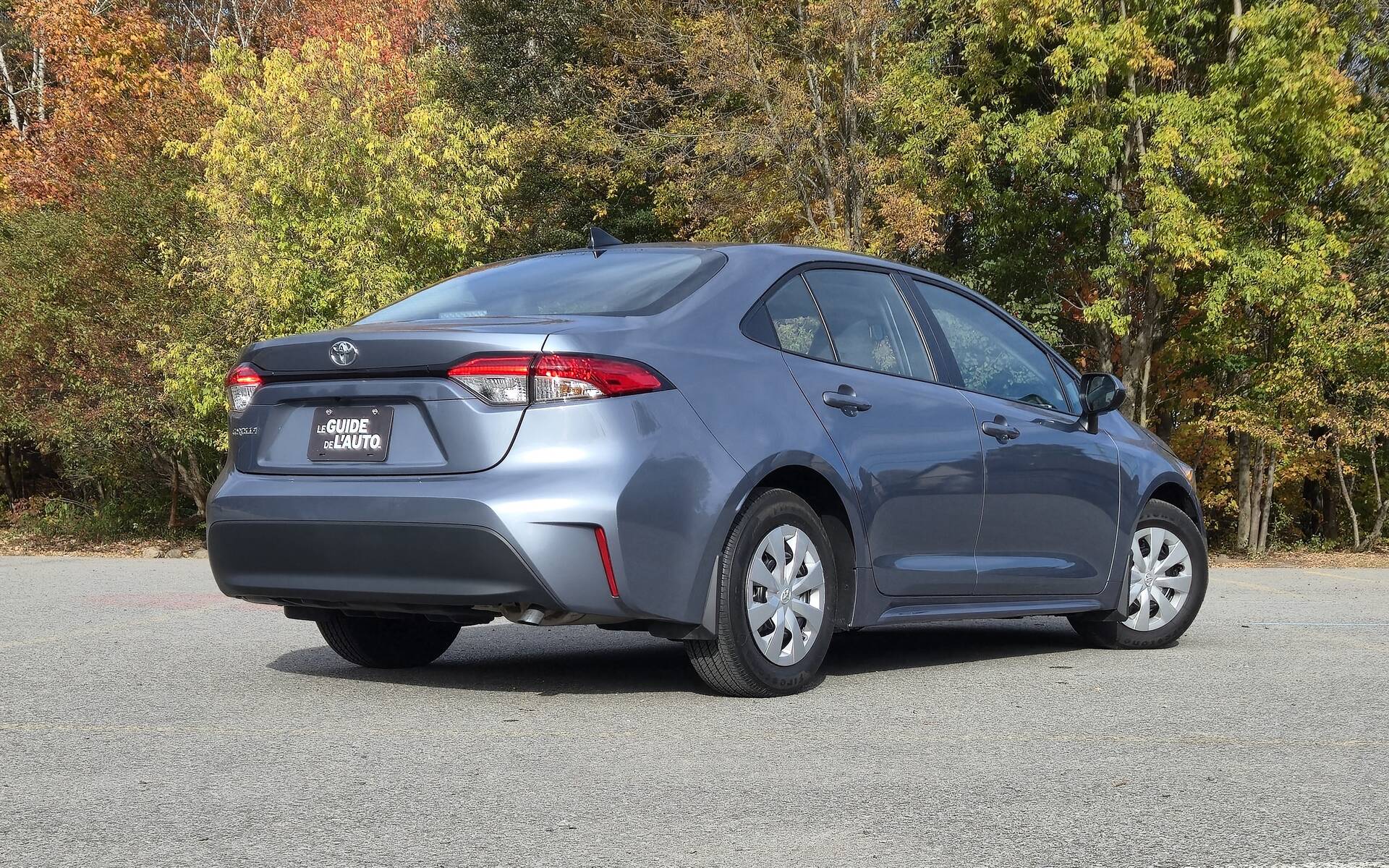
The sedan's prices have increased roughly by $800-$1,100 depending on the trim level. The base Corolla L (like the one we drove) goes from $26,803 to $27,353 including all applicable fees. The most expensive gasoline-powered Corolla is the XSE at $36,673. If you prefer a hybrid, expect to pay between $31,569 and $40,044 before taxes.
On the Corolla Hatchback side, the biggest news is the addition of a retro-inspired FX Edition, limited to 150 units in Canada—a cool move by Toyota. It ranges from $27,653 (SE) to $34,043 (XSE), excluding the high-performance GR Corolla.
When it comes to powertrain options, the 2.0-litre four-cylinder engine (169 hp, 151 lb-ft) still holds its own. The main drawback remains the continuously variable transmission (CVT): although it modulates engine speed to eliminate the droning effect, engineers have clearly prioritized fuel efficiency over performance. That's probably what matters most to the target audience, mind you—and it works, with an official average of 6.7-6.8 L/100 km depending on the trim level, or 6.3 L/100 km based on our latest experience.
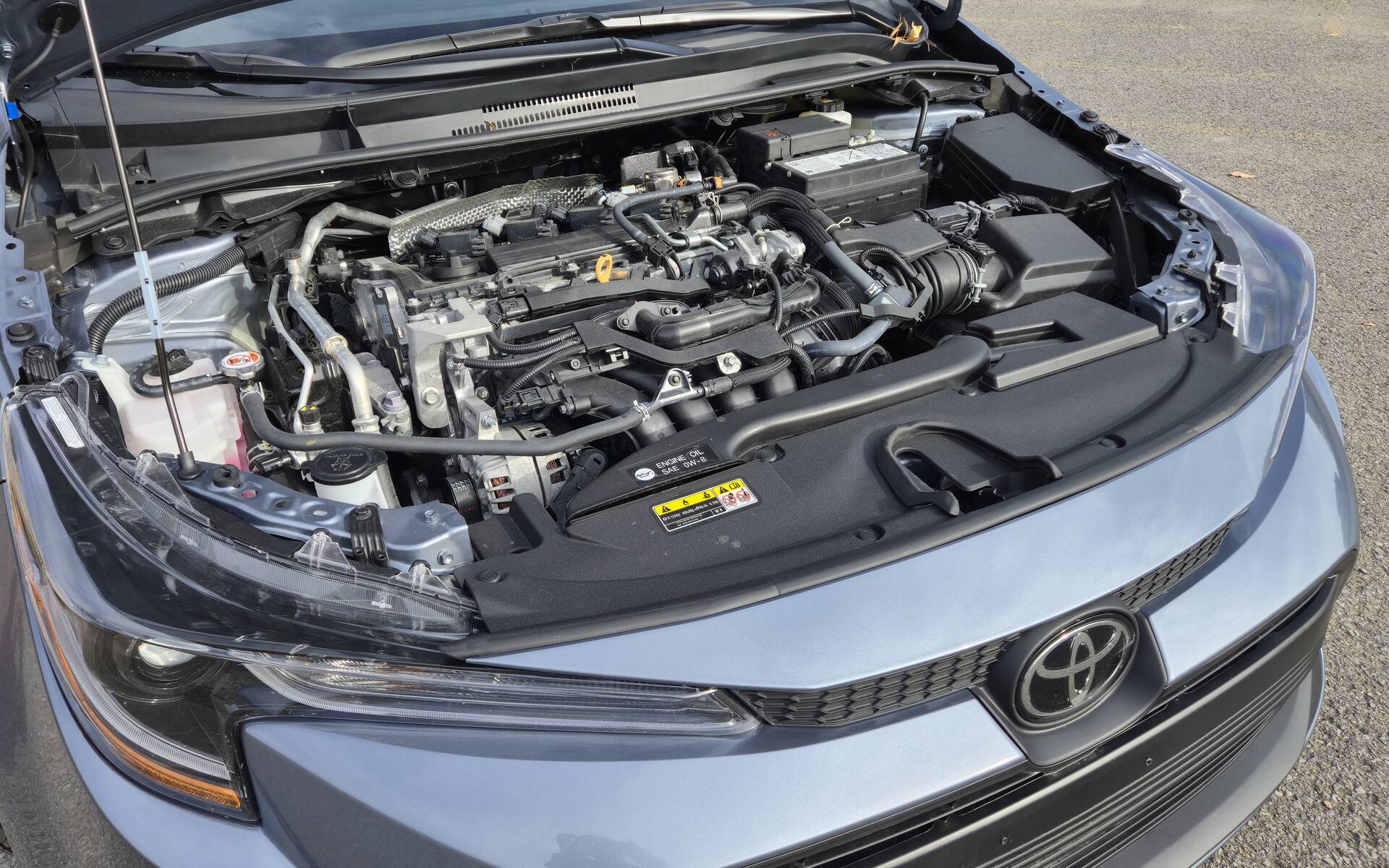
In light of these figures, there's no rush to choose a Corolla Hybrid (138 hp, 156 lb-ft), which burns only 4.7-5.3 L/100 km of gas but requires an additional cost of around $4,000 and doesn't seem to know the meaning of the word "acceleration." On the other hand, content is somewhat more substantial, and the available all-wheel drive system, while not particularly capable, can make a difference in certain conditions.
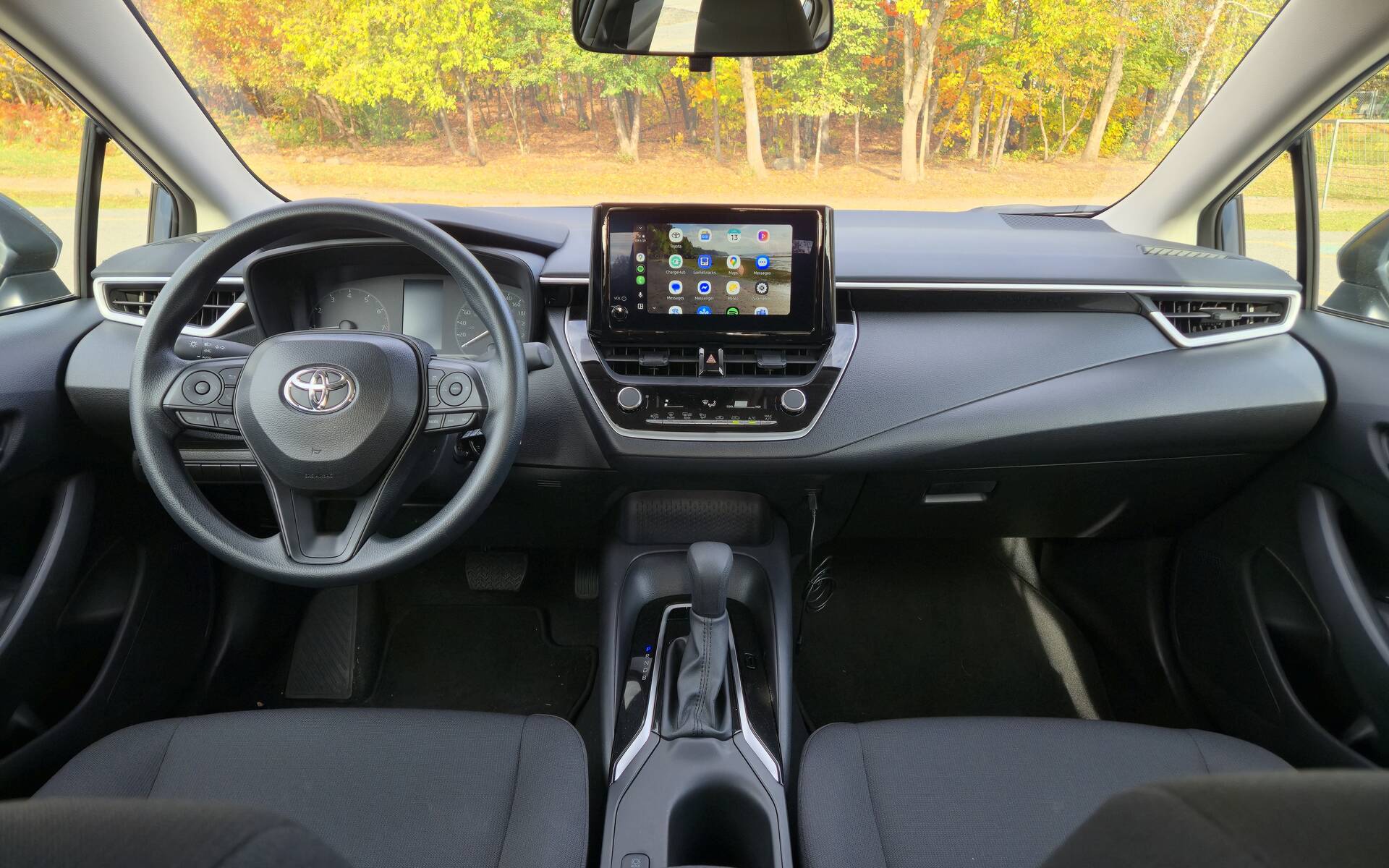
Inside, the seats are accommodating but rather firm. Unless you push the engine hard, the cabin does a good job of staying quiet on the highway. The interior design is dated, and the numerous hard plastics are disappointing compared to more modern and more refined rivals. The simplicity and conservative approach are what allow Toyota to keep prices down versus a locally built yet more expensive Honda Civic, for example.
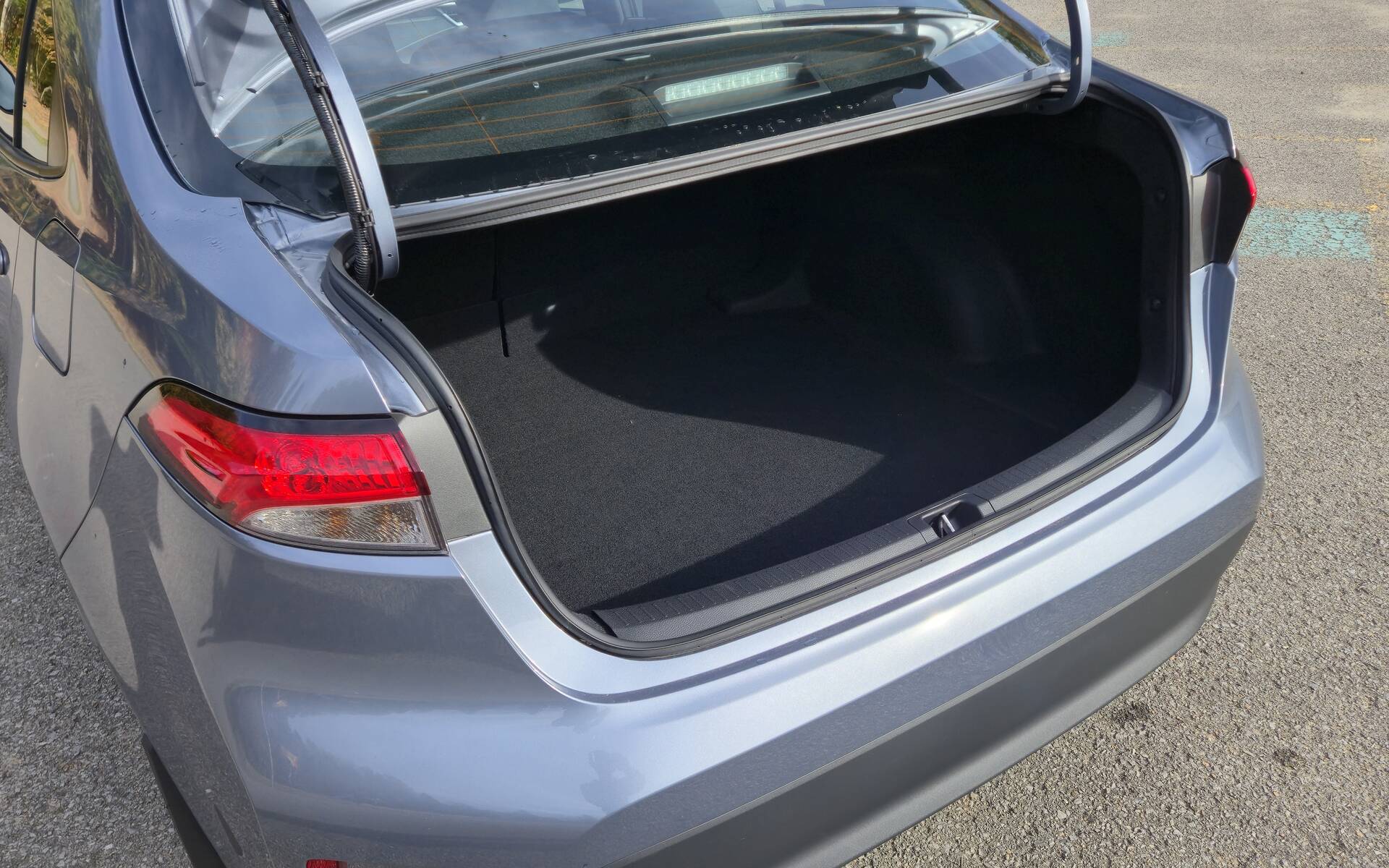
One more thing: while the difference is not significant, the trunk of the sedan (371 litres) happens to be the smallest in the segment. Likewise, we wish the Corolla Hatchback’s cargo area was larger.
2027 Corolla: Exclusively Hybrid?
The next generation of the Toyota Corolla is expected to be unveiled within a year and released on the market in the fall of 2026 as a 2027 model. If the trend continues at Toyota, we should prepare for the disappearance of the base engine in favour of a hybrid-only lineup, which could prove to be a shock for many shoppers on a limited budget—and a mistake in our opinion, at least in the short term.
In terms of design, expect something bolder, like the new Camry, or even the Crown and Prius, with sleek headlights and a silhouette that looks like it just came out of the gym. The dimensions should increase, particularly for the benefit of rear passengers and luggage, but by how much?
For their part, Toyota engineers will make revisions to the TNGA platform and the suspension in order to improve ride quality. The current Corolla isn't unpleasant to drive, but we expect more precision and dynamic handling from the next one.
Lastly, we hope and anticipate that Toyota will raise the bar when it comes to interior design, including the displays and their content. With the all-new 2026 RAV4, the manufacturer is introducing a further improved multimedia system thanks in part to the Arene software platform, which will allow for greater connectivity, updatability and security. The 2027 Corolla should logically benefit from this. Click the link to learn more about it and keep following The Car Guide so you don't miss any announcements.
| Test drive report | |
| Test model | N/A |
|---|---|
| Trim level | Berline L |
| Price range | $23,670 – $58,137 |
| Price as tested | 23 970 $ |
| Warranty (basic) | 3 years/60,000 km |
| Warranty (powertrain) | 5 years/100,000 km |
| Fuel economy (city/highway/observed) | 7,4 / 5,7 / 6,3 L/100km |
| Options | N/A |
| Competitive models | Honda Civic, Hyundai Elantra, Kia K4, Mazda Mazda3, Nissan Sentra, Subaru Impreza, Toyota Prius, Volkswagen Jetta |
| Strong points |
|
| Weak points |
|
| Editor's rating | |
| Fuel economy | The Corolla is highly efficient even without hybrid tech. |
| Comfort | The seats and ride are somewhat firm yet stable. |
| Performance | The 2.0-litre engine still holds its own, but there are better alternatives in the segment. |
| Infotainment | The next-generation model’s interface should address some issues and shortcomings. |
| Driving | The Corolla is not unpleasant to drive, but we expect more precision and dynamic handling from the next one. |
| Overall | The outgoing Corolla is a safe and reliable sedan that’s inexpensive to maintain and fuel. It should retain very good value even with the upcoming redesign. |