2026 Nissan Sentra: When Opportunity Knocks
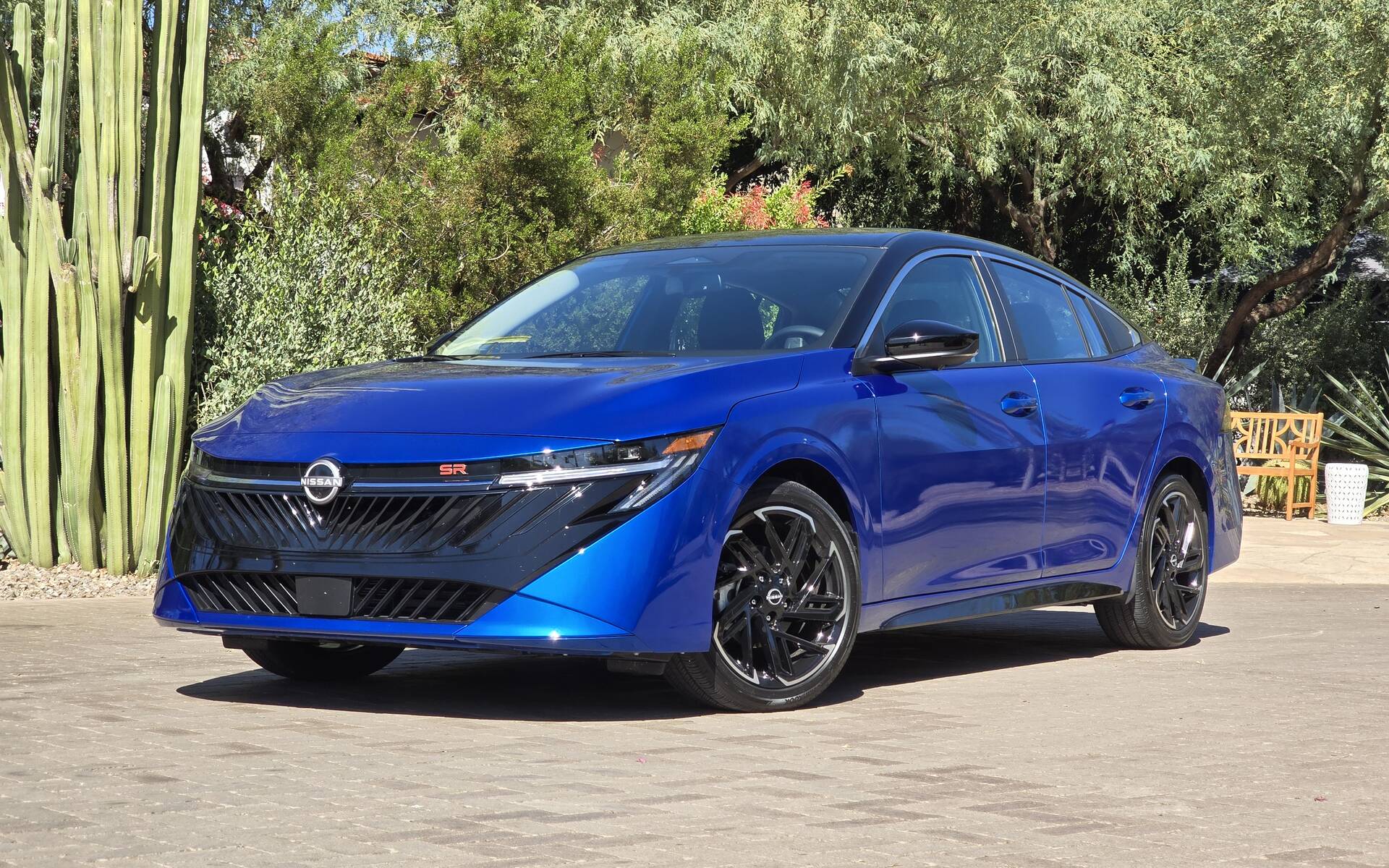
With the ongoing tariff war between Canada and the U.S., the already struggling Nissan brand is making swift strategic moves and seizing every possible opportunity at the moment to keep the pace and reassure its investors. And the affordable car segment—clearly shunned by many of Nissan's rivals—is a golden opportunity within reach of the automaker's ambitions.
Seven million Sentras have been sold in the United States and Canada since its introduction in 1982. Now in its ninth generation, the four-door compact car features a brand new look, new technologies, and a redesigned interior. However, due to corporate austerity measures and other engineering factors, its technical specifications remain virtually unchanged from the previous generation.
- Also: 2026 Nissan Sentra Gets Fresh Look and Tech, Keeps Same Engine
- Also: Next-Generation Nissan Sentra Should Look Like This
The Car Guide travelled to Phoenix, Arizona, to test drive the 2026 Nissan Sentra.
Pleasantly upgraded looks
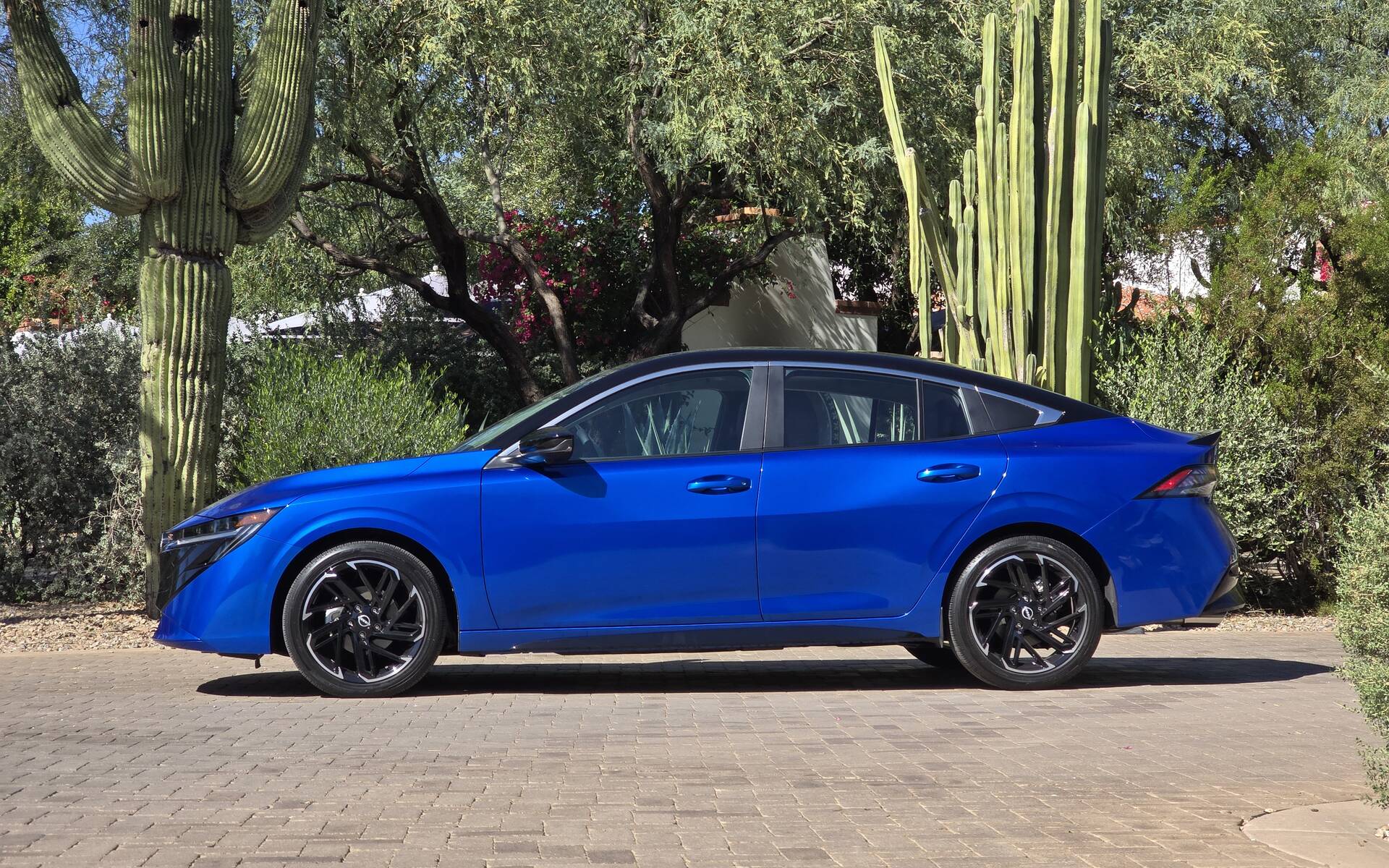
A quick glance at the Sentra reveals the extent of its aesthetic overhaul, giving it an updated look that's more outspoken than the outgoing model. But while it appears to have grown in size with its bolder lines, its proportions remain largely unchanged from the previous model. The 2026 Sentra is available in three trim levels: S, SV, and the range-topping SR.
Two Premium packages can be added to the SV and SR variants, giving them features such as a sunroof, a more powerful Bose sound system, and the Pro Pilot Assist semi-autonomous driving system. It's important to note that the entry-level S variant is quite attractive in terms of equipment for the segment, with a comprehensive suite of safety features, adaptive cruise control, and a 12.3-inch infotainment screen with Apple CarPlay and Android Auto software suites. Passengers are treated to more and more digital features, of course, but Nissan has left a thoughtful analogue touch which comes in the form of haptic feedback controls for the ventilation system.
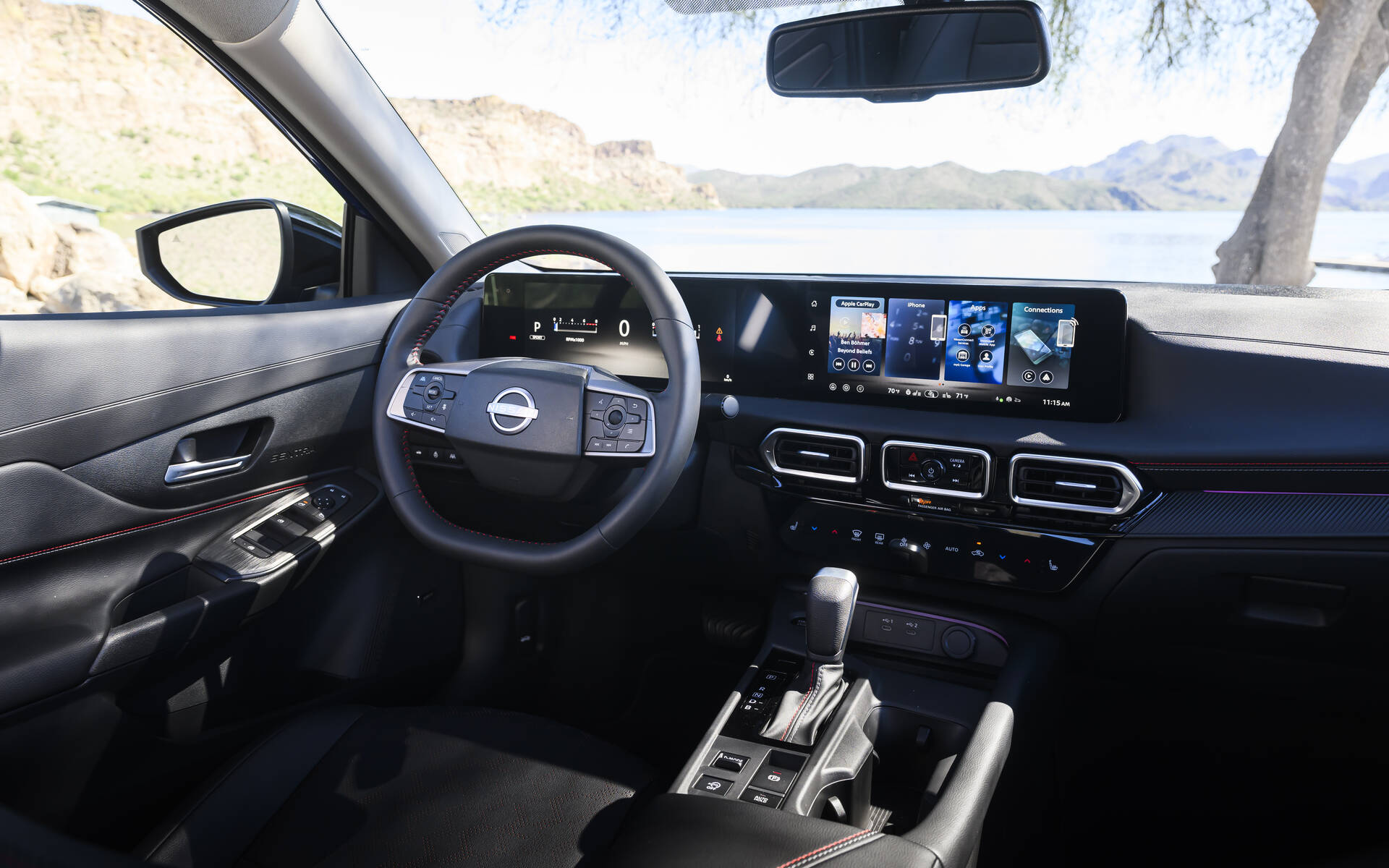
Enhanced in terms of ergonomics and finish, the cabin has been given an additional layer of insulation material, making it quieter on the road. The Sentra remains the same in terms of passenger volume, but the Zero Gravity seats in both rows (with the exception of the middle seat in the rear) make their mark in terms of comfort on long journeys. Cargo volume remains the same as the outgoing model at 405 litres, but this volume is more accessible than ever thanks to a wider trunk opening and a lower sill.
Status quo under the hood
While the Sentra has undergone a physical transformation both inside and out, the technical bits under the hood have remained unchanged. The 2.0-liter 4-cylinder engine, which develops 149 horsepower and 146 lb-ft of torque, has been carried over unchanged to the new model. The continuously variable transmission (CVT) that accompanies it has been reprogrammed to provide, according to Nissan engineers, more responsiveness and linearity. And it remains the only transmission available, as the manual transmission has been removed from the lineup.
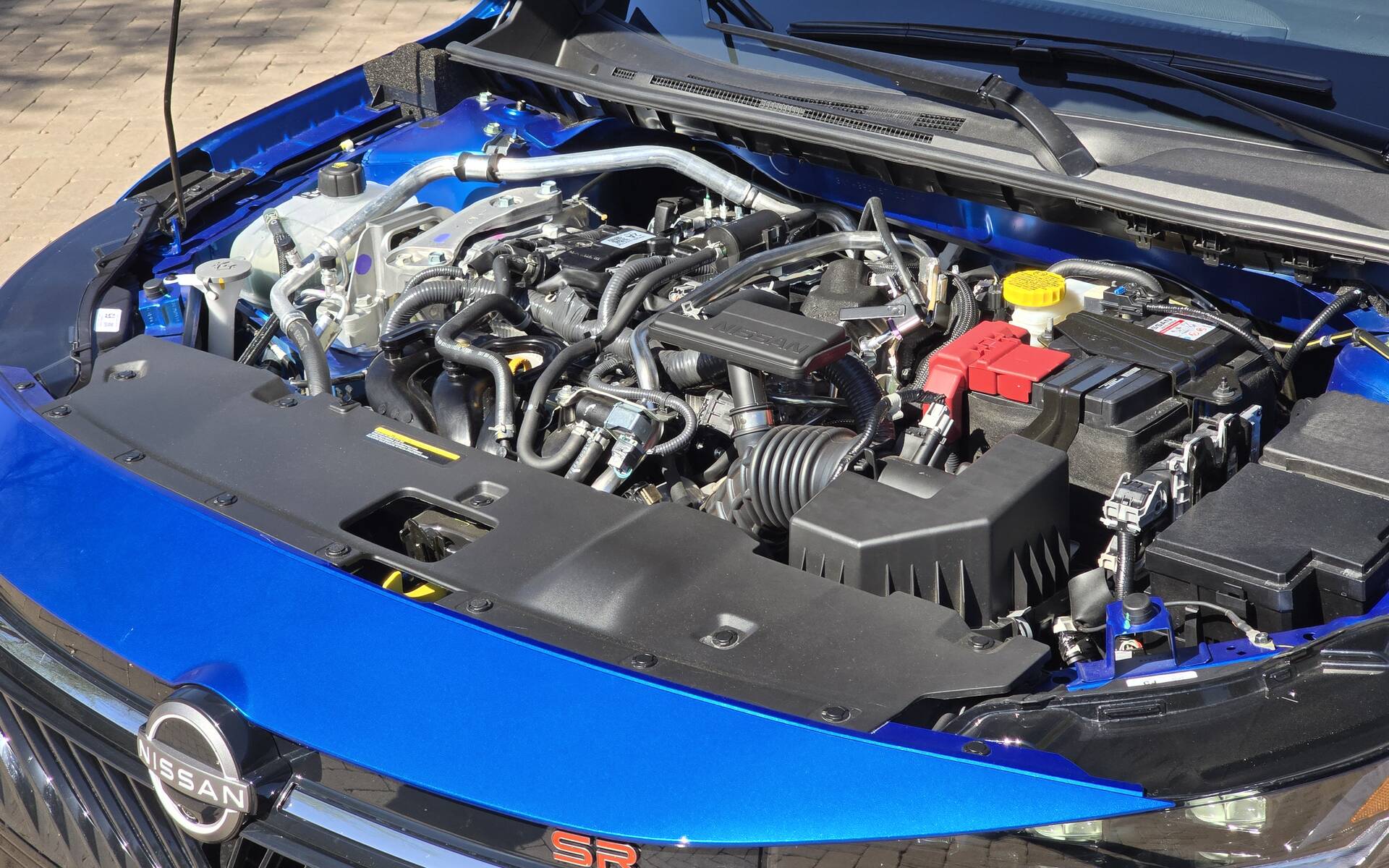
The car’s rigidity has increased by 6% thanks to the new body panels, while the suspension—which is the same as on the previous model—has been recalibrated for damping.
Performance and driving dynamics are not among the Sentra's strengths. Although we appreciated the Sport mode’s effects on the transmission and throttle response, the Sentra quickly runs out of steam at high speeds. However, while not exactly thrilling at the wheel, the Sentra will handle everyday activities with an overall comfortable ride for the segment.
Affordability will be a key factor
The Sentra is in an awkward position in its segment. Its main rivals are more mature, with hybrid powertrains and performance variants. The Sentra, on the other hand, offers only one powertrain option - Nissan doesn't believe that adding new powertrain options would be beneficial. At least for now.
Its lower power output combined with the CVT doesn't seem to have much effect on efficiency either. During our test drive, we recorded fuel consumption ranging from 7.5 L/100 km to 7.8 L/100 km in combined driving. But we'll have to wait for the official ratings from Natural Resources Canada, as well as a full test in our climate, to judge it fairly.
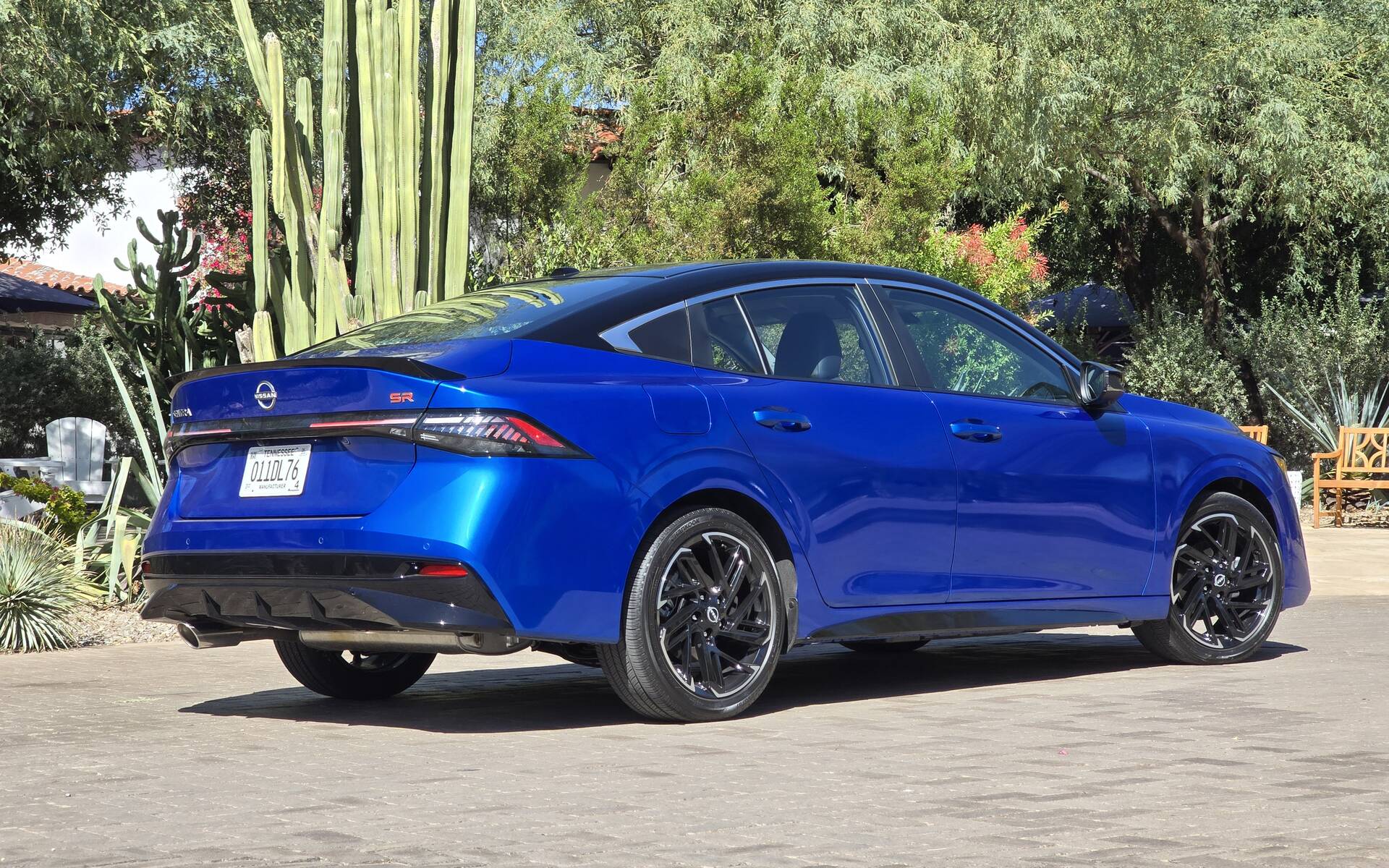
So, for the moment, the Sentra doesn’t offer more than its rivals in terms of performance and efficiency. But its golden opportunity lies in its value and affordability. With prices rising rapidly in the industry, the Sentra could be “the” affordable, comfortable and value-packed compact car we’ve been waiting for, in addition to bringing in new, much needed customers to the brand.
Unfortunately, at the time of writing, pricing for the 2026 Sentra remains unknown. We only know that, with the manual transmission option gone, the starting price for this model year will logically be higher. One advantage our Canadian market has in this regard is that the Sentra is assembled in Mexico—for now. So, unlike the Frontier, Murano, and Pathfinder, the Sentra won't be affected by dynamic tariffs. However, the highly dynamic nature of today's industry can change the winds of change at any moment!
| Test drive report | |
| Test model | N/A |
|---|---|
| Trim level | SR (auto) |
| Price range | $23,898 – $31,148 |
| Price as tested | 29 048 $ |
| Warranty (basic) | 3 years/60,000 km |
| Warranty (powertrain) | 5 years/100,000 km |
| Fuel economy (city/highway/observed) | 7,4 / 6,1 / N/A L/100km |
| Options | N/A |
| Competitive models | N/A |
| Strong points |
|
| Weak points |
|
| Editor's rating | |
| Fuel economy | With an average fuel consumption ranging between 7.5 L/100 Km and 7.8 L/100 Km, the Sentra struggles to compete with its rivals. |
| Comfort | Zero Gravity seats are not just marketing hype. They offer surprisingly high levels of comfort for their segment. |
| Performance | With only one engine choice that delivers 149 horsepower, the Sentra's performance is just about adequate for its size. |
| Infotainment | We like the new 12.3-inch infotainment screen. |
| Driving | The Sentra's driving dynamics do not stand out in the segment. |
| Overall | With interesting looks, comfort and technologies, but also technical disadvantages compared to its rivals, the Sentra will have to stand out on price to succeed. |