Stellantis’ New Battery Plant in Ontario Won’t Feed EV Production After All
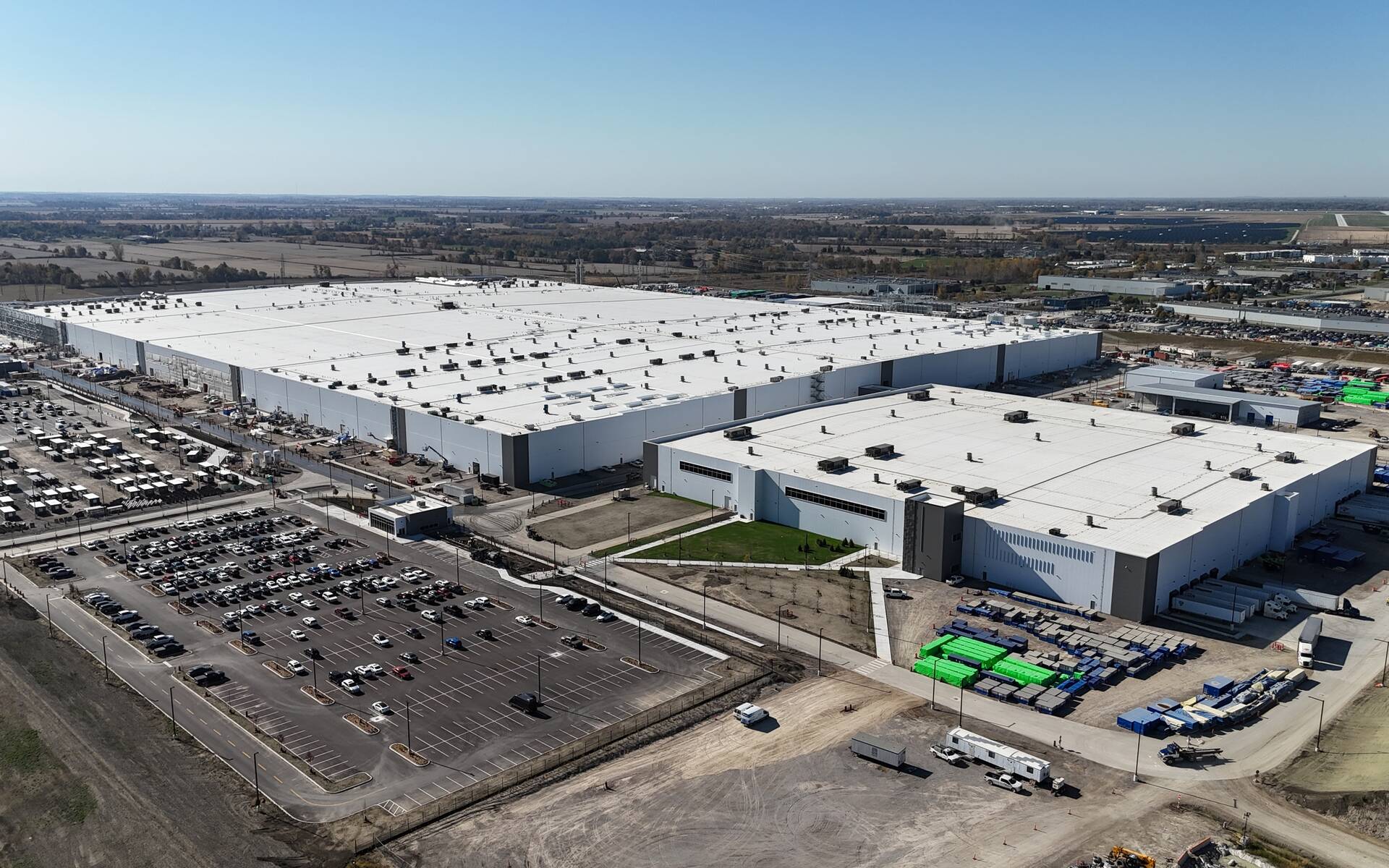
Need another example of the slowdown in demand for electric vehicles? NextStar Energy, the joint venture formed by Stellantis and LG Energy Solutions, has just changed the purpose of its new plant in Windsor, Ontario: instead of manufacturing EV batteries, it will produce energy storage systems for other applications including artificial intelligence data centres.
CEO Daniel Lee confirmed the news in an interview with Automotive News Canada, adding that AI will enjoy significant growth over the next decade and increase the demand for grid stability.
- Also: Ottawa Threatens to Sue Stellantis in Wake of $13B U.S. Investment
- Also: Stellantis’ Latest EV Battery Breakthrough Sure Sounds Promising
The plant, first announced in early 2022 and put on hold in mid-2023 due to a disagreement with Ottawa about financing, celebrated the official start of battery module production just over a year ago. It was supposed to become fully operational by the end of 2025 and begin the final phase of battery assembly.
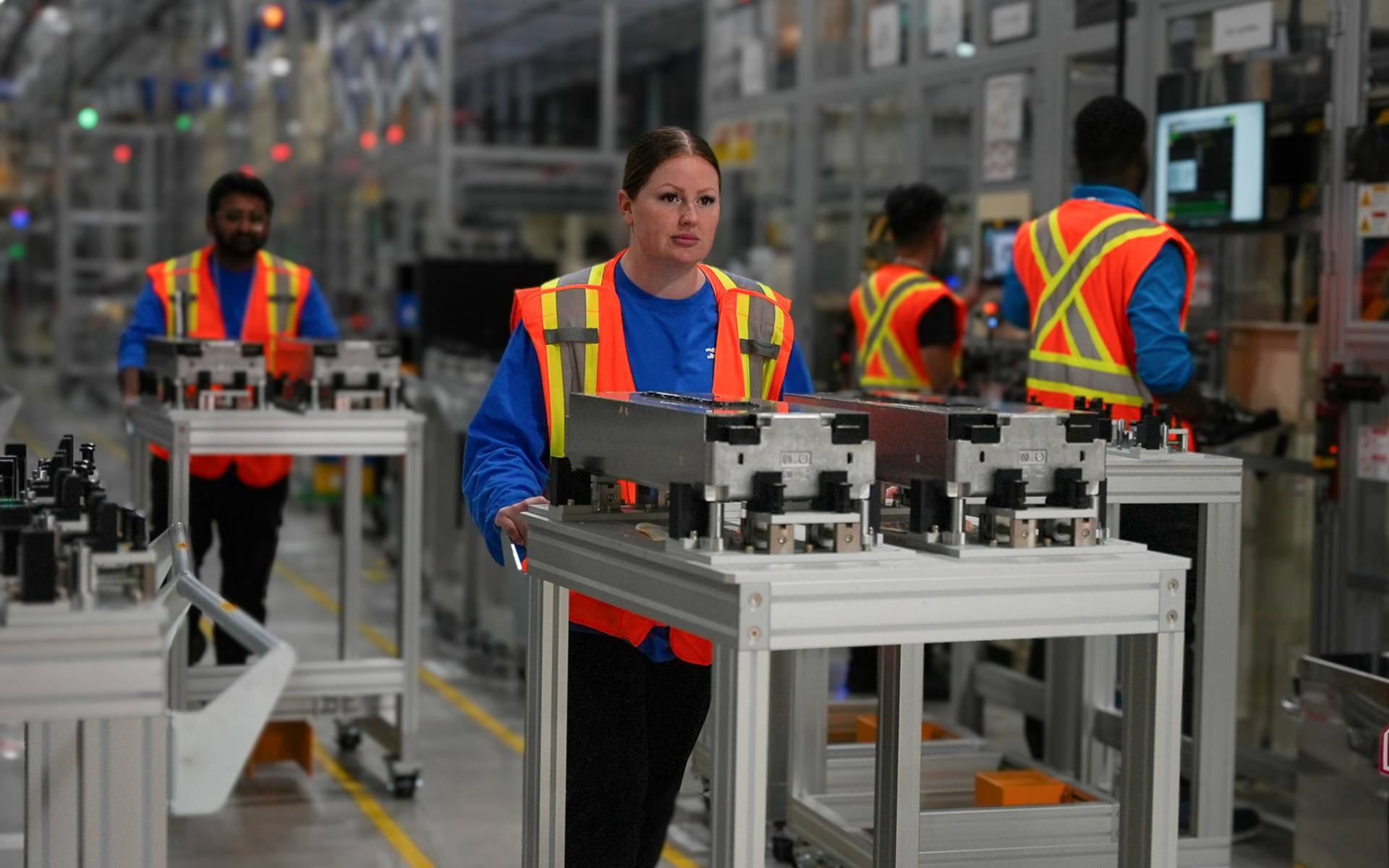
The facility required an investment of more than $5 billion. The municipal, provincial and federal levels of the Canadian government all agreed to pay hundreds of millions of dollars in incentives to fully support the project.
Similar to many competitors, the maker of Chrysler, Jeep, Dodge and Ram vehicles has largely scaled back or adjusted its EV plans lately. Among the new models whose launch has been cancelled are Chrysler's electric SUV, Ram's all-electric pickup truck, and the 900-horsepower "Banshee" version of the Dodge Charger Daytona (in addition to the R/T model, which is not returning for 2026).
Over at Jeep, the all-new Recon has been delayed until 2026, and it is not certain that the next Compass will offer a battery-powered variant.