Federal Luxury Tax on Cars Isn’t Going Away
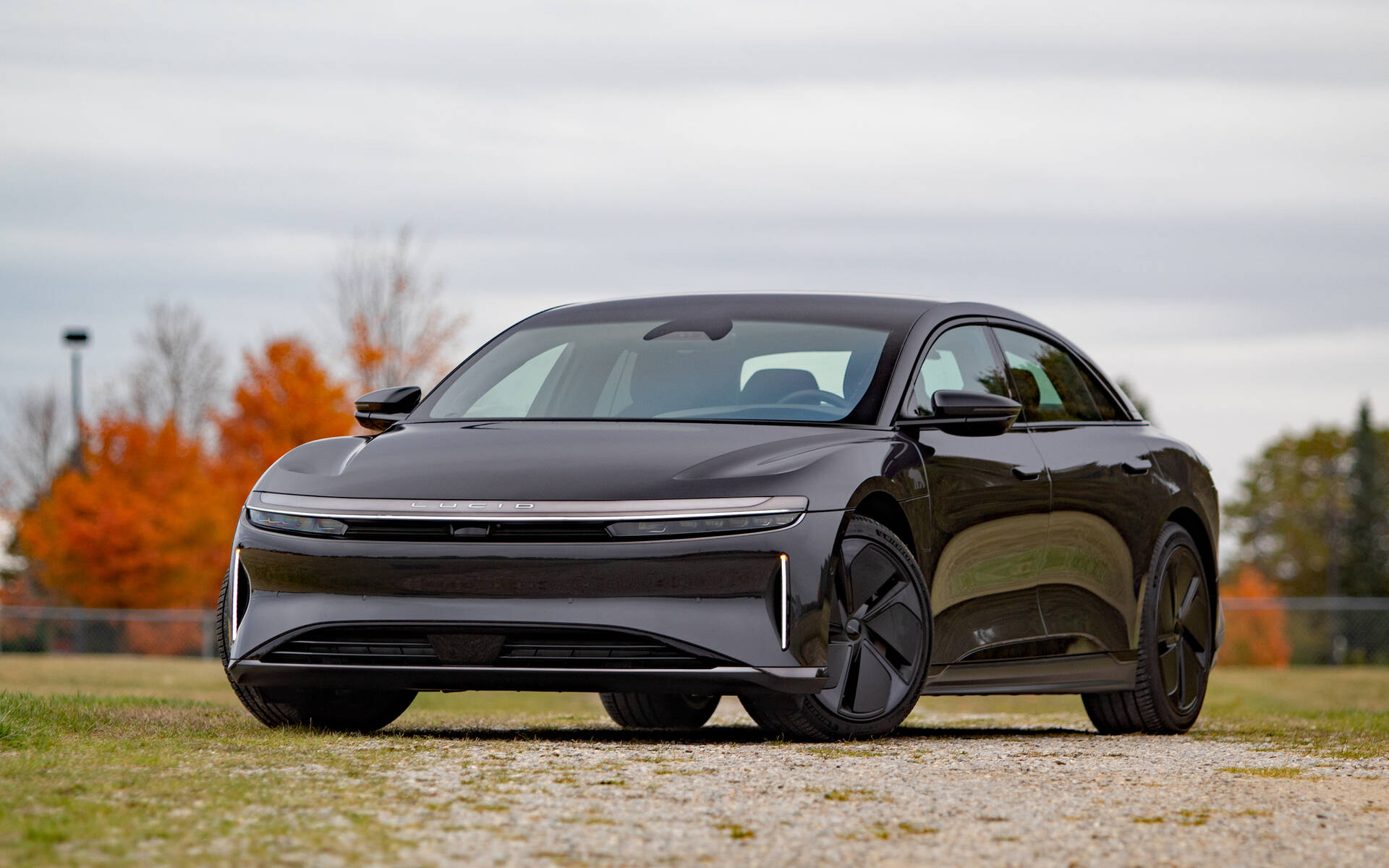
The 2025-2026 Budget tabled on Tuesday by Prime Minister Mark Carney’s minority government does not include the return of the zero-emission vehicle incentive program, as we have already covered, but it also maintains the luxury tax on automobiles of $100,000 and more.
However, in a move to provide relief to the aviation and boating industries while saving on administrative costs, Ottawa has announced that the luxury tax on aircraft and vessels of $250,000 and more, deemed “inefficient and costly to administer,” is eliminated starting the day after Budget Day, meaning today.
- Also: Luxury Tax on $100,000 Cars Coming Into Effect Today
- Also: Federal Budget Fails to Include Return of ZEV Incentives
The luxury tax on cars initially came into effect on September 1, 2022. It’s a 10-percent fee on the total cost of the vehicle or a 20-percent fee on the amount exceeding $100,000, whichever amount is smaller.
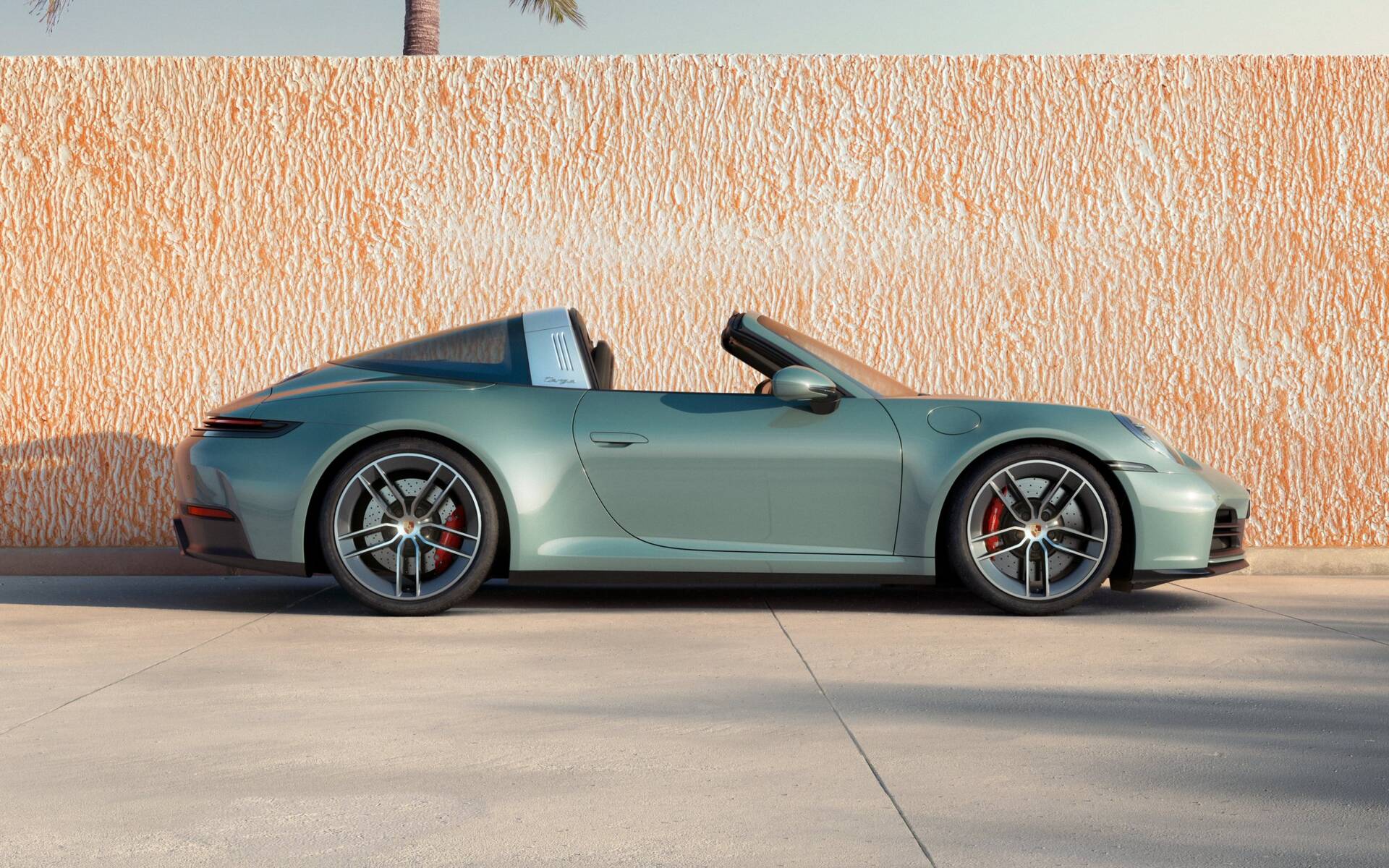
For example, a brand new Porsche 911 costing $150,000 will carry a luxury tax of $10,000, or 20 percent of the extra $50,000. On the other hand, someone who buys a Rolls-Royce at $500,000 will pay a luxury tax of $50,000, since 10 percent of the total cost is cheaper than 20 percent of the extra $400,000 ($80,000).
This applies to new vehicles only. Used cars and trucks that have previously been registered in Canada are not subject to the luxury tax. Exceptions also include police and emergency vehicles, as well as RVs designed or adapted to provide temporary residential accommodations.
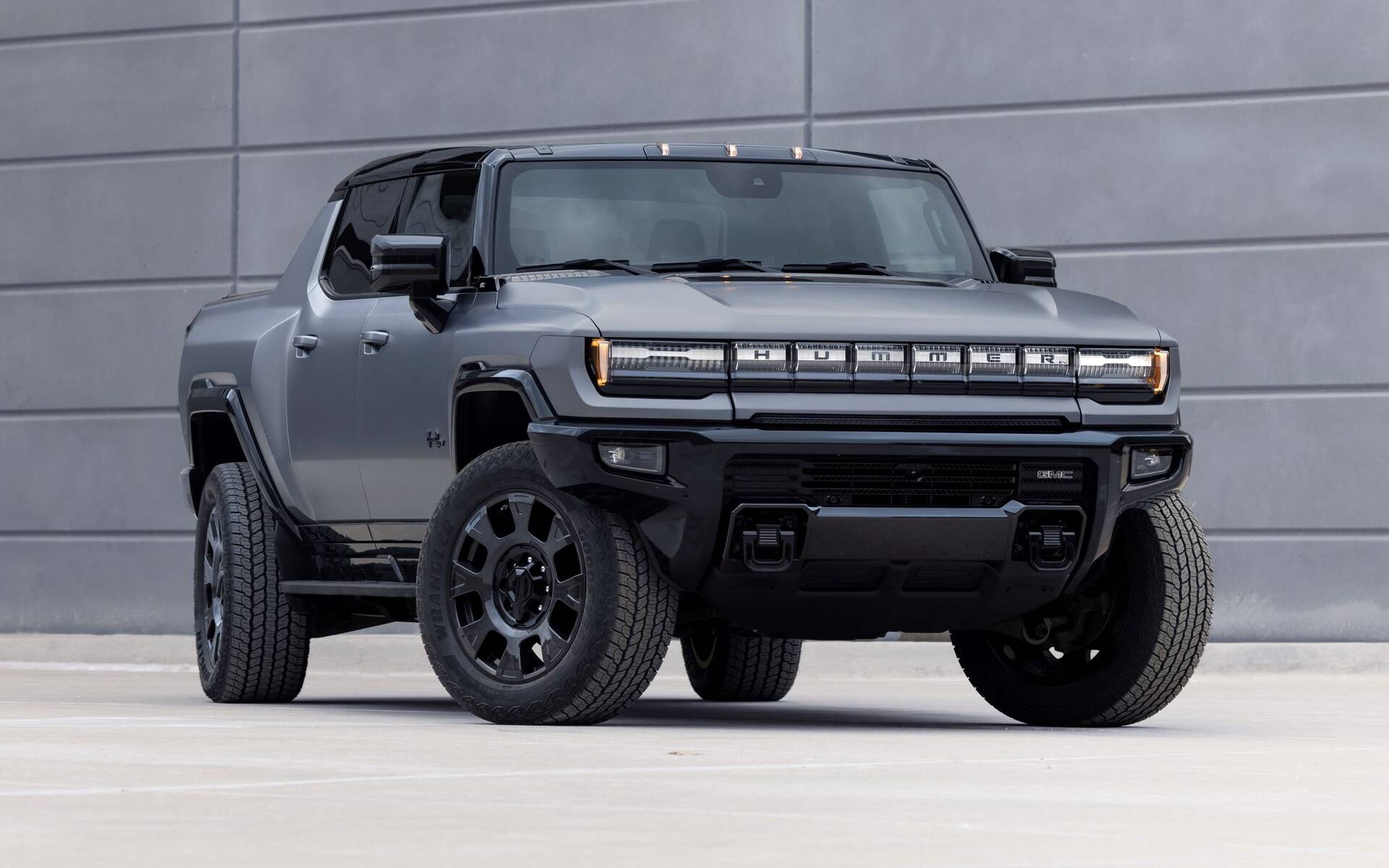
Vehicles with a gross vehicle weight rating exceeding 3,856 kg are exempt, too, which includes the GMC Hummer EV, ironically.
Before a special House of Commons committee last week, the Canadian Automobile Dealers Association (CADA) renewed its call for the removal of the federal luxury tax, describing it as inefficient and counterproductive. Alas, the government turned a deaf ear in the case of automobiles.
“The average vehicle is now more than $60,000, and many work vehicles exceed $100,000. These are not luxury purchases,” CADA said.
In a post-budget bulletin, the association has told its members it will be directly engaging the government to understand the reasoning behind this approach and to make the case for revisiting the automotive portion of the tax, “particularly at a time when affordability pressures within the auto market remain significant.”