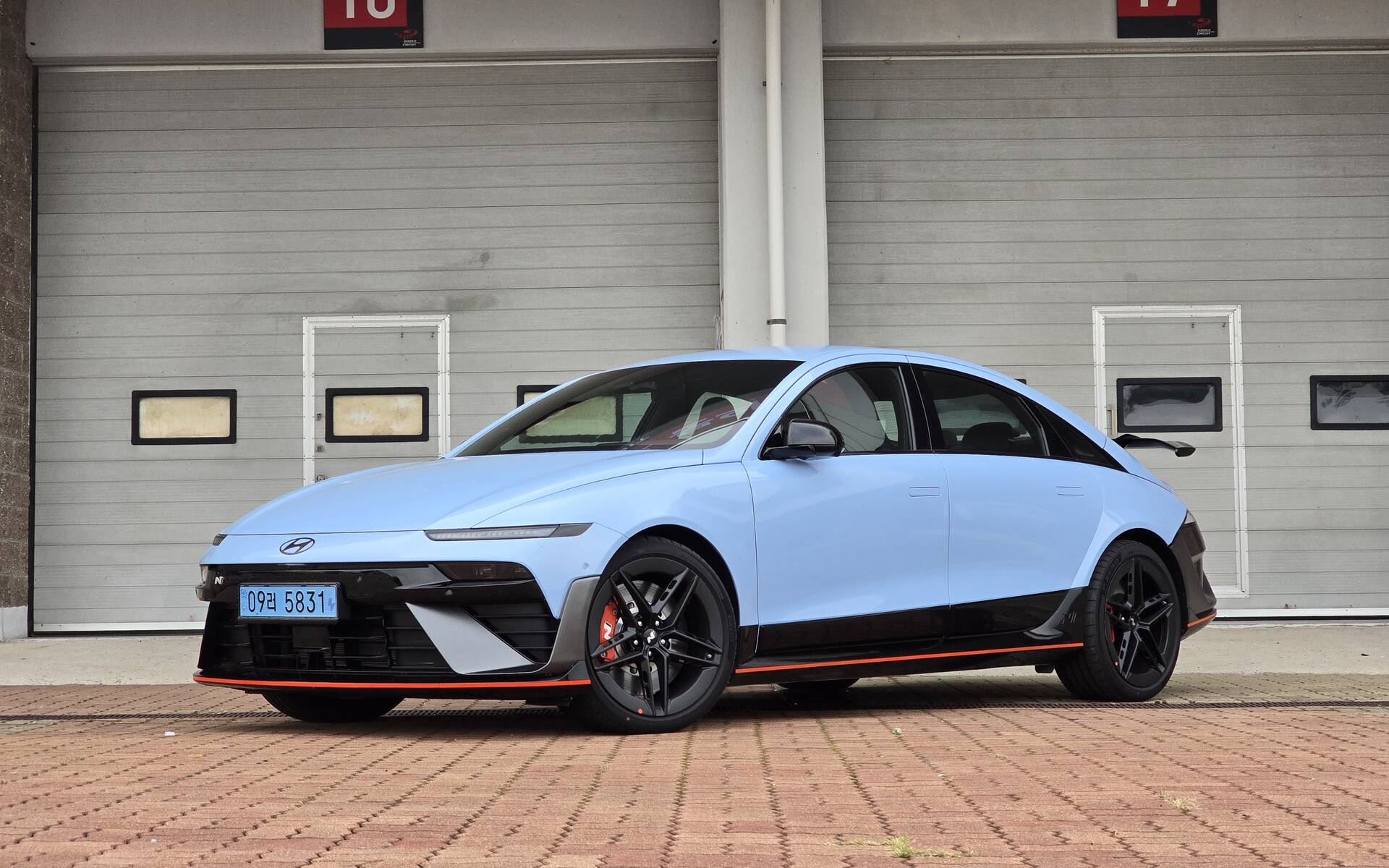
2026 Hyundai IONIQ 6 N: Solving Part of the Equation
Korean vehicles quickly became associated with poor build quality and reliability when they launched in Canada in the 1980s and 1990s. In fact, no one could have predicted at the time that a manufacturer like Hyundai would eventually stand out from the competition in those departments.
Likewise, the idea that Hyundai would surpass the Japanese in the electric vehicle segment was pretty much unfathomable. The company has moved in the right direction since then, but restoring its reputation and regaining the trust of Canadians is still a work in progress.
- Also: 2026 Hyundai IONIQ 6 N Unleashed as 641-hp, Drift-Happy EV Sedan
- Also: 2026 Hyundai Ioniq 6 Goes Under the Knife, Adds N Line Model
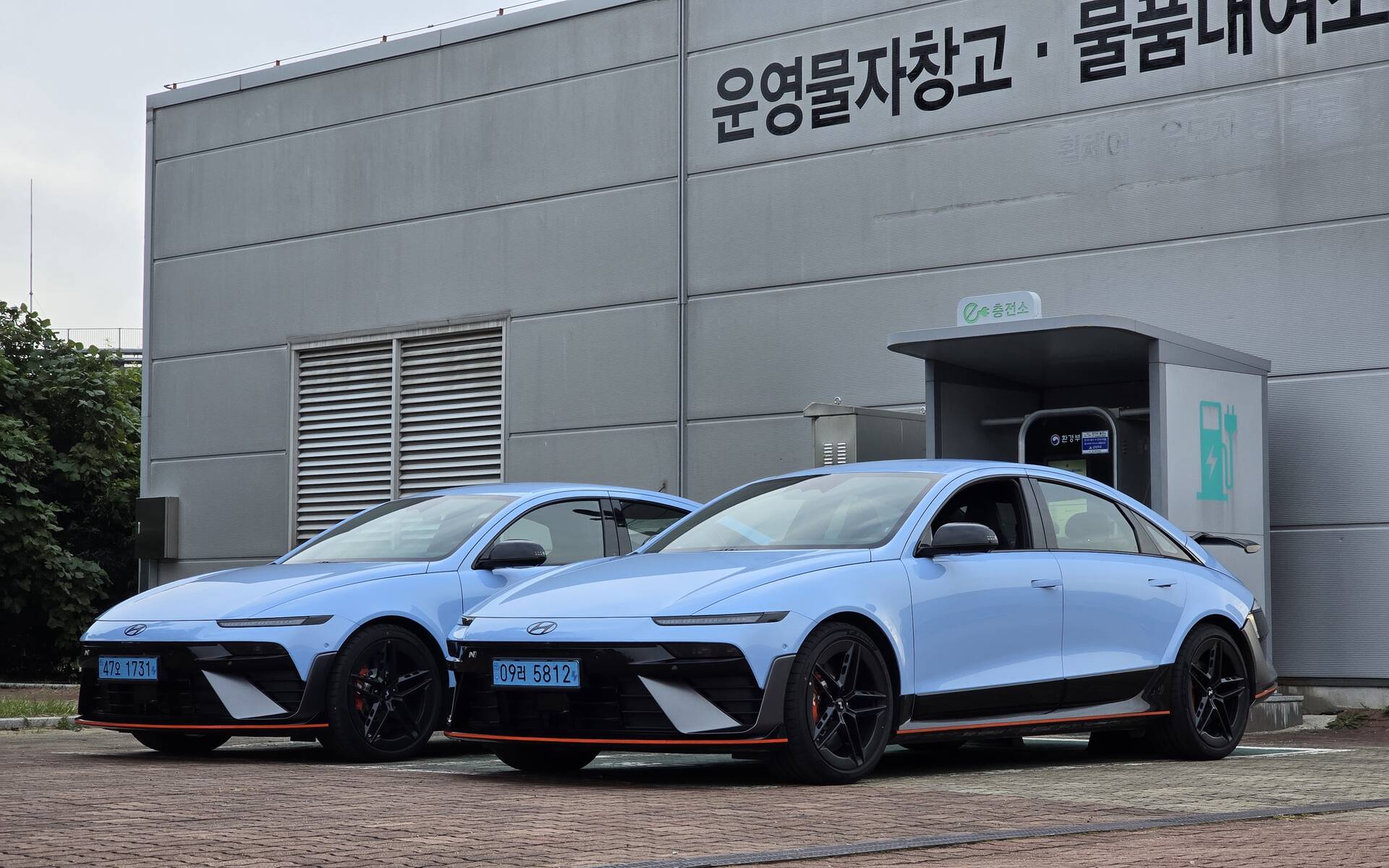
Over the past decade, Hyundai has surprised quite a few people by developing a performance-focused N sub-brand. First came ICE-powered models such as the Veloster N and Elantra N, and now EVs are getting in on the action. We’ve already reviewed the fantastic IONIQ 5 N, but if you prefer sedans, there’s an all-new 2026 IONIQ 6 N the automaker wants to show you. We got the opportunity to put it to the test at the Korea International Circuit in Yeongam, so keep reading for our first driving impressions.
Performance First
With a Hyundai-estimated range of only 375 km, the IONIQ 6 N doesn't prioritize range. On the other hand, it delivers a whopping 601 horsepower as standard, and up to 641 horsepower at the touch of a button on the steering wheel thanks to the "N Grin Boost" feature. Built on the proven E-GMP platform, the dual-motor IONIQ 6 N draws energy from the same 84kWh high-voltage battery as the IONIQ 5 N, except that the powertrain is specifically calibrated for this application.
A virtual rear locking differential and torque vectoring are part of the mix, providing increased control in corners through real-time modulation of power and torque delivery.
The battery preconditioning system includes a 7kW heating module that adjusts battery temperature according to track activity. For road racing, engineers have determined the ideal operating temperature to be between 20-30 degrees Celsius. For endurance racing, the target is 10-20 degrees Celsius, whereas for drag racing, a temperature between 30-40 degrees Celsius is preferred.
Managing Airflow and Weight
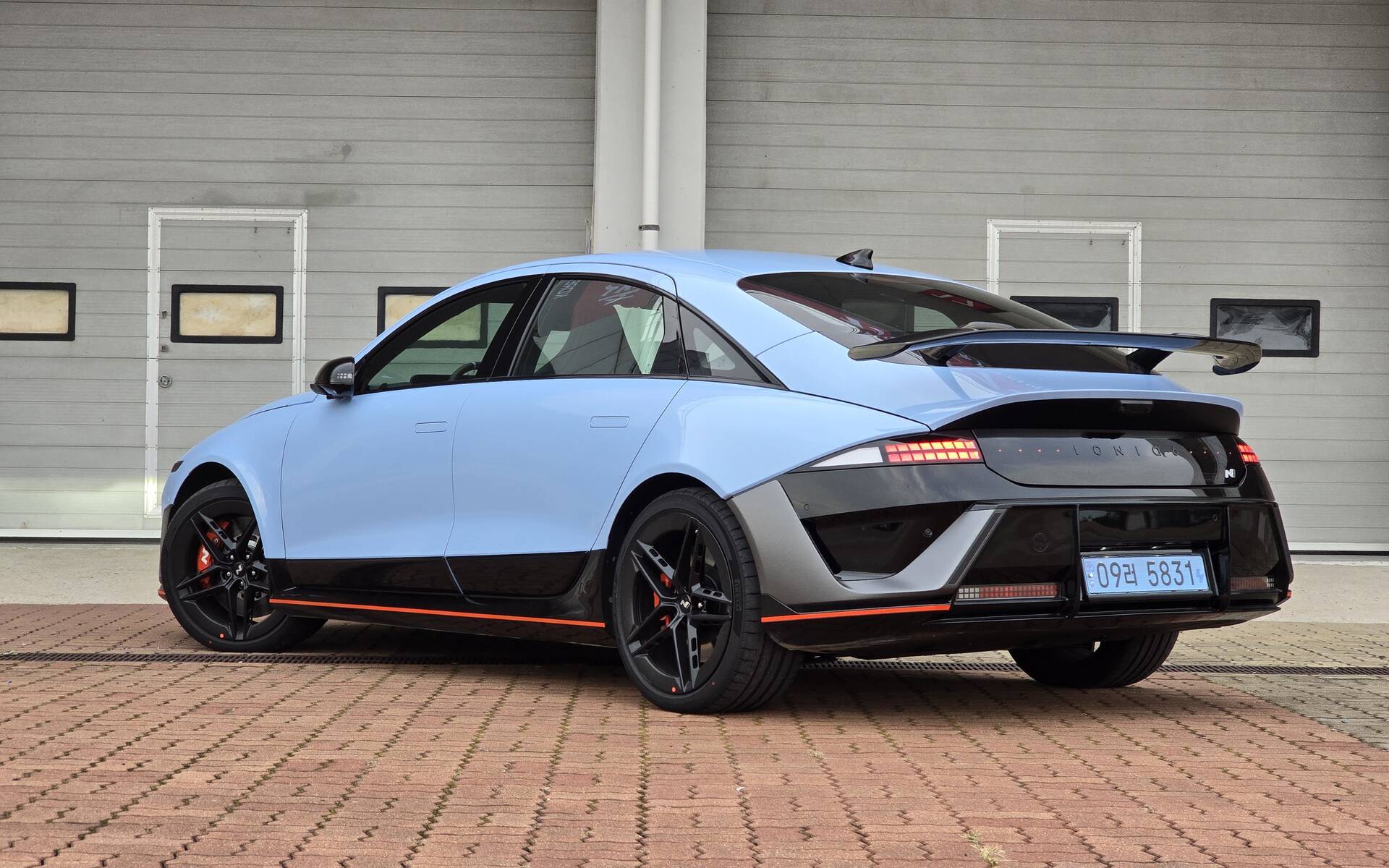
Compared to the standard, refreshed-for-2026 IONIQ 6, the N model boasts a number of components designed to make it lighter and more aerodynamic. Some of them can’t be missed—and add a substantial dose of style—such as the massive carbon fibre rear wing and carbon fibre diffusers. Others are more subtle yet just as essential, like the fins and winglets under the vehicle that improve airflow and contribute to downforce.
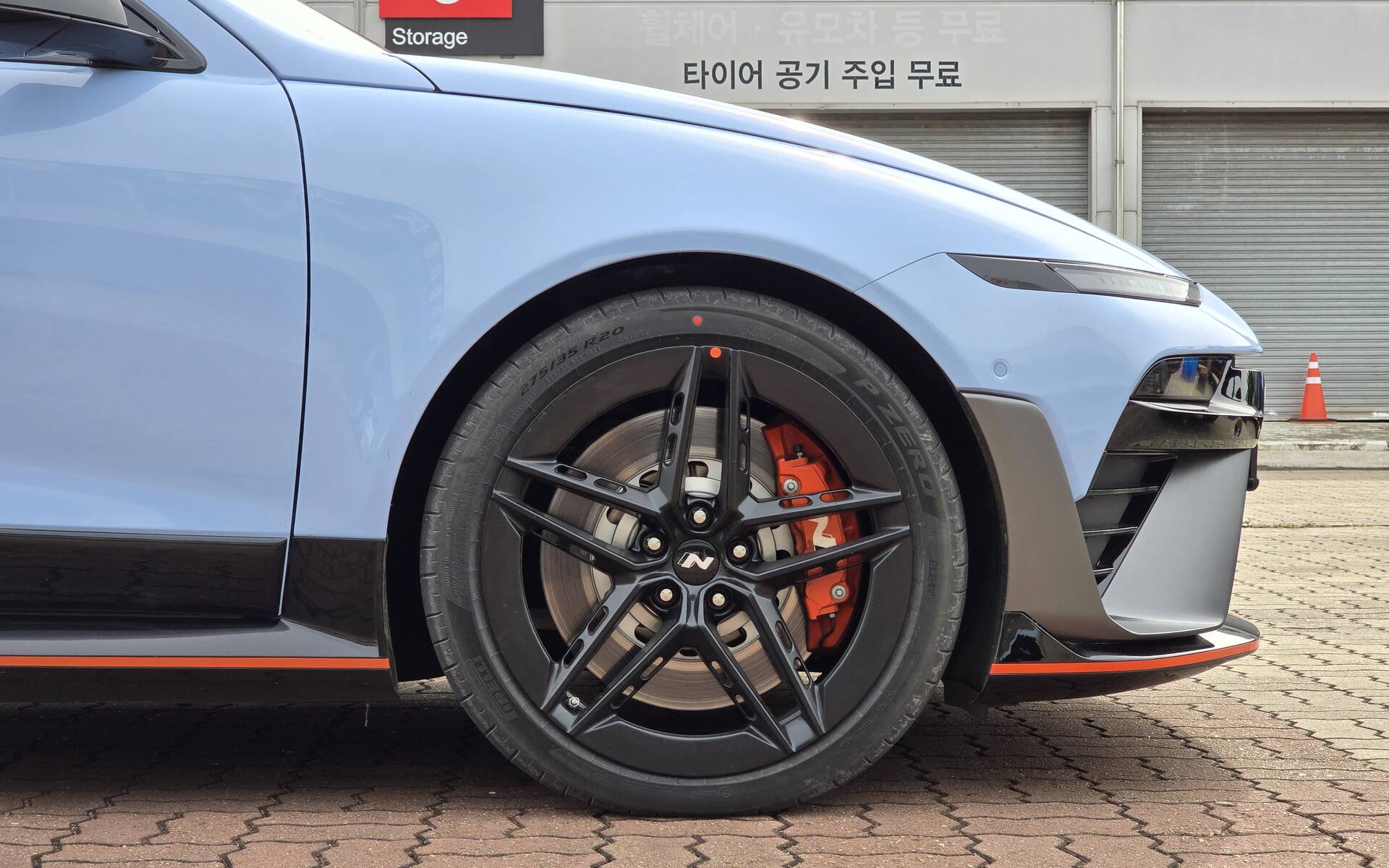
The wheels are 1.5 kg lighter than the stock units, reducing unsprung weight by 6 kg. This weight-saving treatment is complemented by an N-branded suspension upgrade including model-specific shock absorbers and geometry. The primary goal is to lower the IONIQ 6 N’s roll centre by 100 mm compared to the base car.
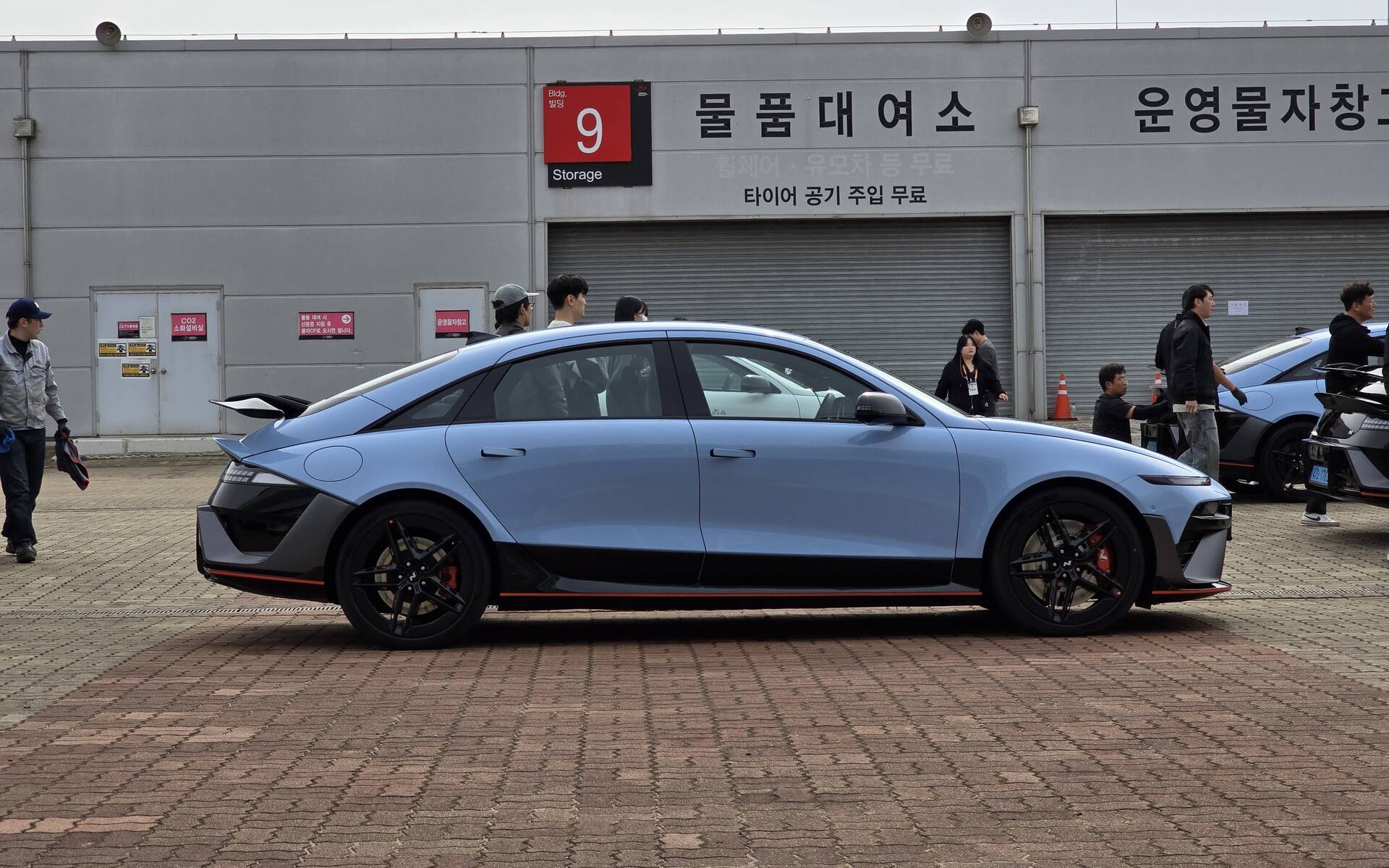
At the Korea International Circuit in Yeongam, which used to host the Formula 1 Korean Grand Prix until 2013, the IONIQ 6 N delivered surprising, even shocking performance in more ways than one. Obviously, the 600+ electric ponies stood out the most. While bordering on excess, they were always fun to exploit—and a blessing—on the straight sections of the track.
However, the car's forgiving nature proved even more impressive. Even when entering corners with too much speed, we had a really hard time unsettling the heavy IONIQ 6 N, which beautifully held its line and remained firmly planted. This forgiving nature definitely helped build confidence and enjoy the car's balance, excellent grip, amazing lack of body roll and highly responsive steering—by EV standards.
Ultimately, Hyundai’s efforts to conceal the weight of the battery seem to have paid off. Even the braking system, which we abused during our runs on the technical sections of the track, proved to be very capable and showed no fatigue throughout the 10-lap session.
Alas, our tester drained the battery at an alarming rate of 77 kWh/100 km. Keeping an eye on the range indicator was vital, but luckily, the IONIQ 6 N didn’t have to stop at the pits for too long thanks to a maximum DC charging speed of 240 kW.
On the road, the four-door Korean rocket is naturally much more efficient. Compromises have to be made where ride quality and long-distance comfort are concerned. On the flip side, the front seats provide excellent support and contribute to a well-designed driving position. Regarding visibility, our only complaint is that the upper part of the steering wheel obscures the speedometer.
Better Tech for Bigger Thrills
The 2026 Hyundai IONIQ 6 N isn’t just a performance-oriented electric sedan, it also showcases the automaker’s engineering prowess aimed at creating a thrilling driving experience—where many other EVs fail miserably. And as is often the case, some of the available features are more useful than others.
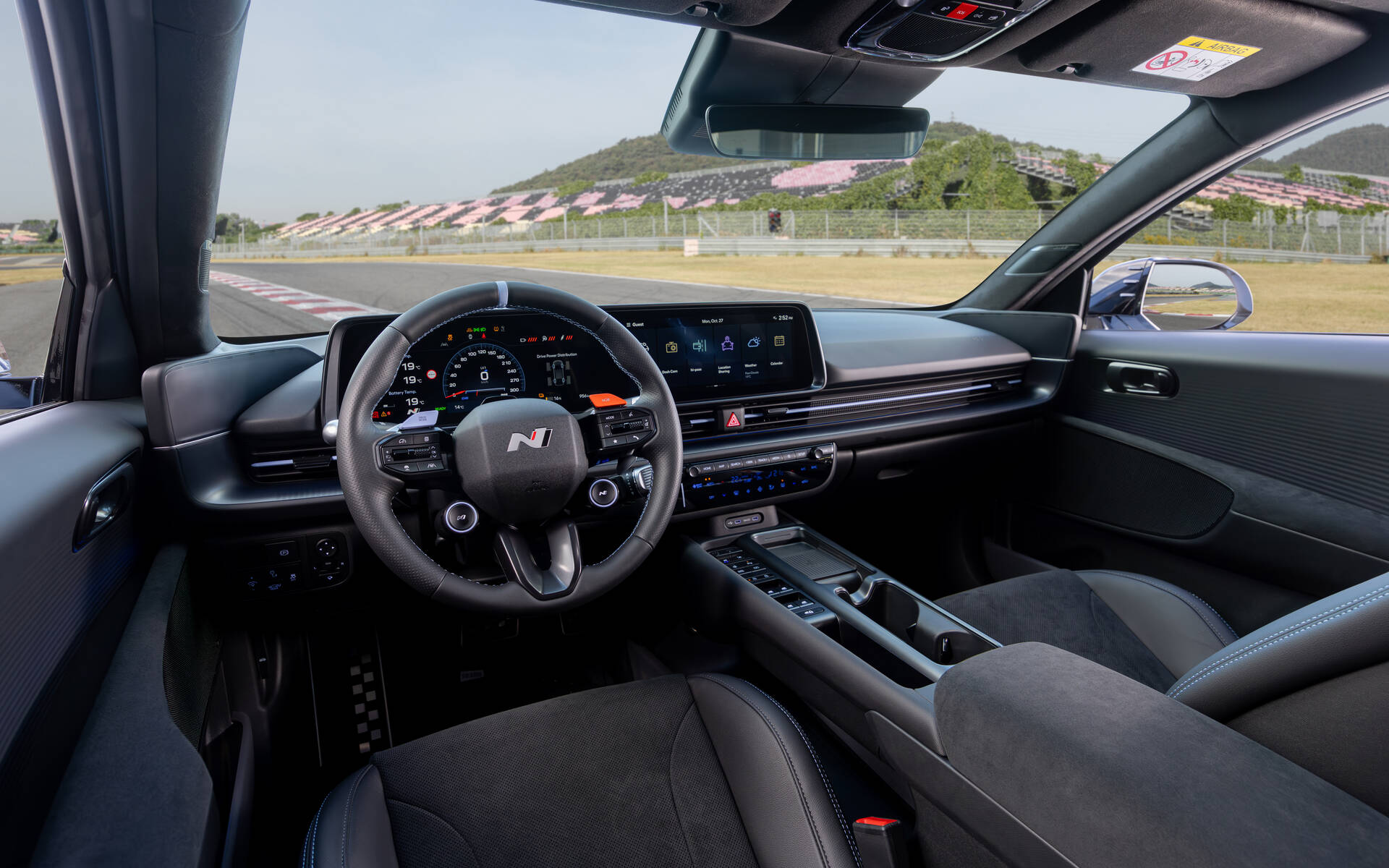
In particular, N ACTIVE Sound+ simulates the sound of an internal combustion engine, while N e-shift enables virtual gear shifts. Even though these systems can sound and feel fake (that’s because they are), they do provide audible markers that can be very useful for track driving. On the road, however, you can totally live without them.
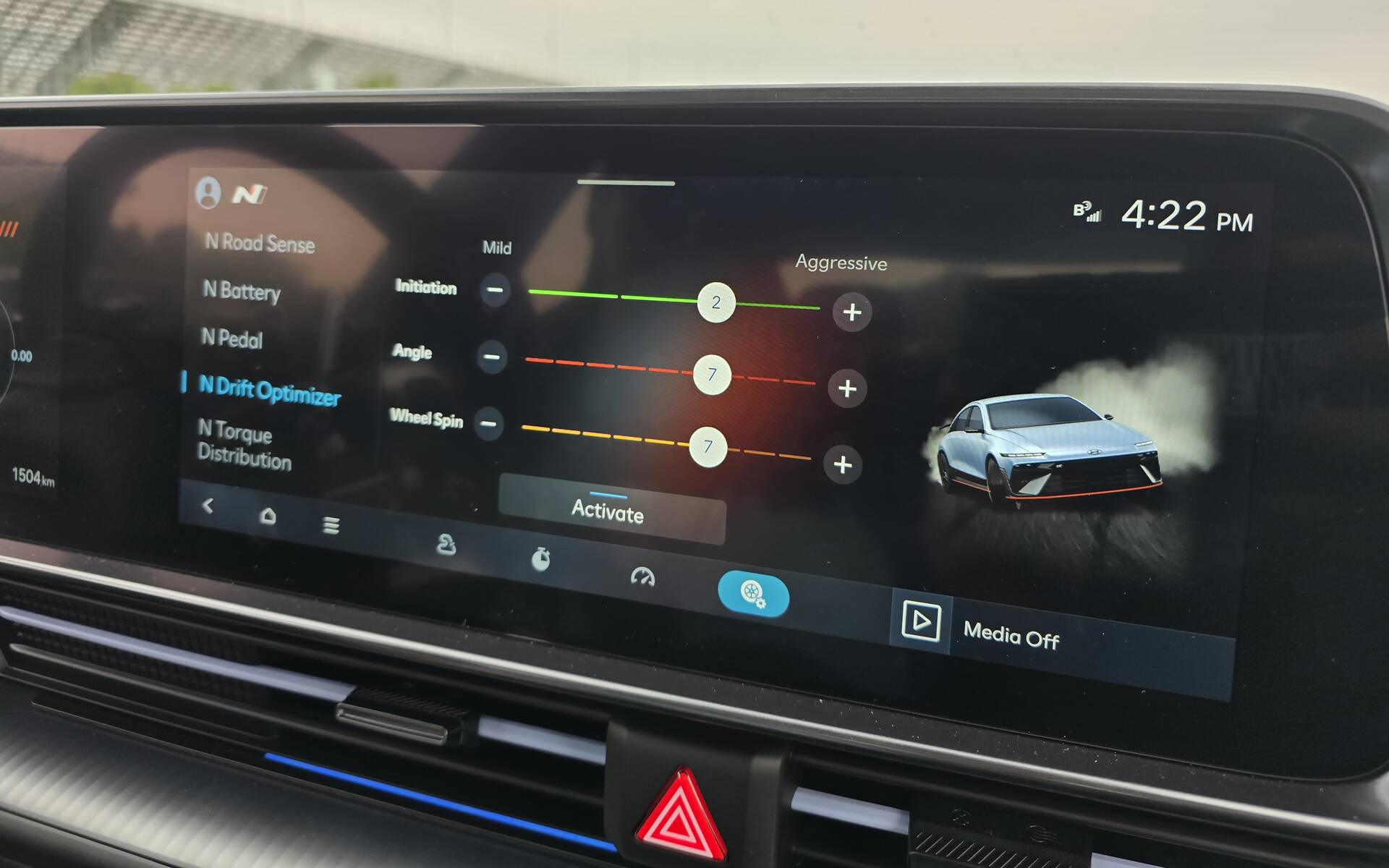
Elsewhere, the IONIQ 6 N's infotainment system is loaded with track-focused applications and other specialized features. N Drift Optimizer, for instance, allows drivers to adjust torque distribution, traction control and stability control in order to optimize performance when drifting on a track.
Our Verdict
By expertly controlling body roll and offering feedback through both the steering wheel and the sounds, Hyundai seems to have solved part of the equation for sporty electric driving that goes beyond raw power. In fact, the IONIQ 6 N is nicely positioned to give electric and hybrid four-door sports cars from Germany a run for their money.
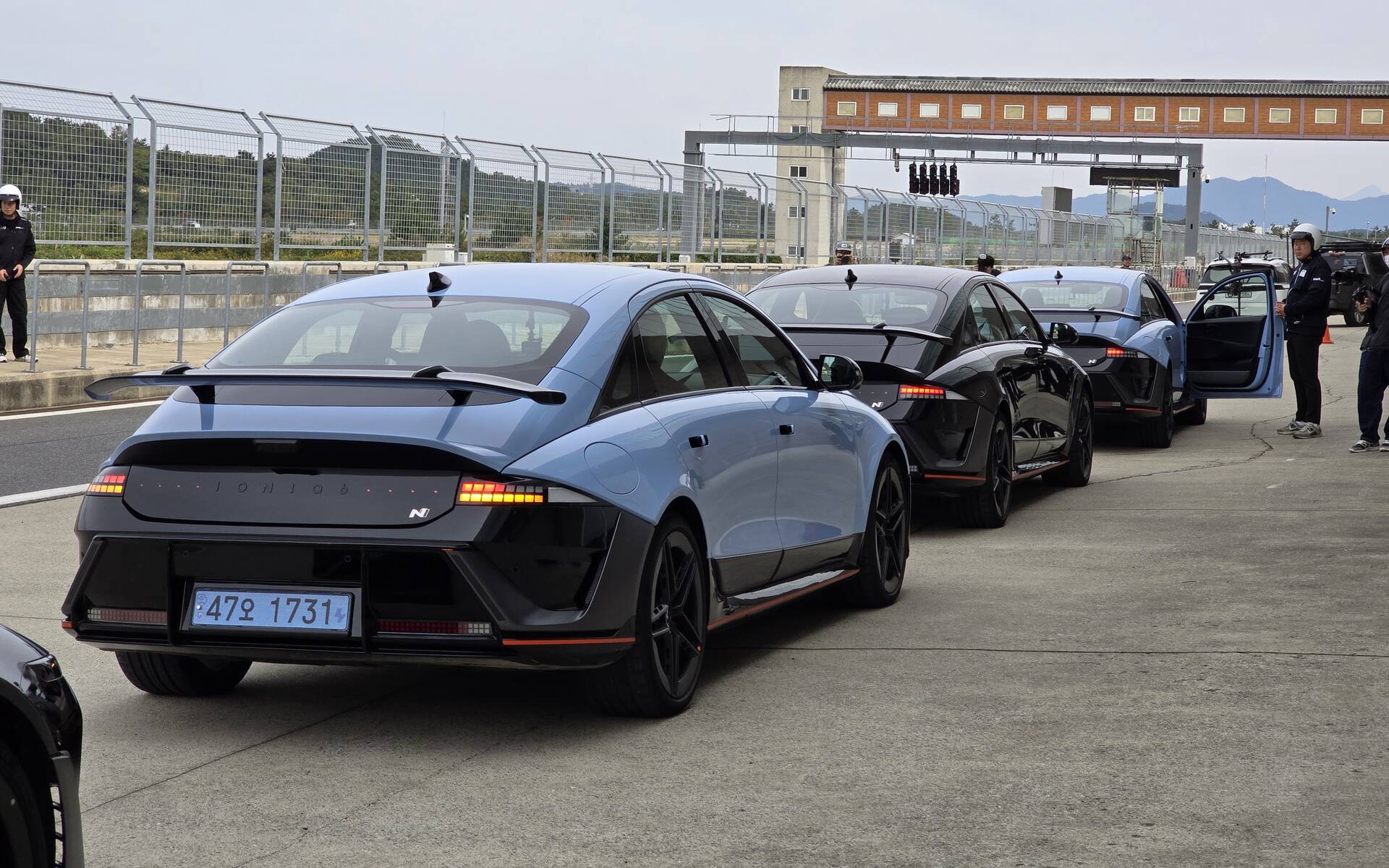
It’s not a complete package, mind you, not with such limited range. Some potential customers might go the other way as a result.
In light of these facts, Hyundai should consider a less powerful model—around 450 horsepower would be more than enough—with greater range, say, 425 km. This could satisfy both performance enthusiasts and those who wish to drive the IONIQ 6 N daily, winter or summer.
The 2026 Hyundai IONIQ 6 N will be available in very limited numbers in Canada. Pricing will be revealed closer to launch, but we expect it to cost more than the IONIQ 5 N, which starts at an all-inclusive price of $81,186.
| Test drive report | |
| Test model | N/A |
|---|---|
| Trim level | N/A |
| Price range | N/A |
| Price as tested | N/A |
| Warranty (basic) | N/A |
| Warranty (powertrain) | N/A |
| Fuel economy (city/highway/observed) | N/A |
| Options | N/A |
| Competitive models | BMW i4, Mercedes-Benz EQE, Polestar 2, Tesla Model 3 |
| Strong points |
|
| Weak points |
|
| Editor's rating | |
| Fuel economy | N/A Not evaluated during the test. |
| Comfort | The front sport seats are highly supportive and great for track driving. Comfort and ride quality are limited during everyday driving. |
| Performance | The IONIQ 6 N is extremely potent and explosive. |
| Infotainment | Hyundai’s system is highly advanced and loaded with track-focused apps. |
| Driving | The engineers have managed to conceal the weight of the battery, resulting in amazingly sporty dynamics and unprecedented handling for an EV. |
| Overall | The IONIQ 6 N is aimed at a specific type of driver, but the technological advancements that enhance performance and especially handling are fantastic. |