2026 Hyundai Nexo: Keeping the Options Open
The question around hydrogen as an option in the range of energy sources for available for passenger vehicles has always been a bit of a controversy. And with very few vehicles on Canadian roads running on hydrogen, it’s very hard to make a case for it.
The consumer's ability to obtain publicly available hydrogen is at the heart of the problem. However, the controversy stems mainly from the fact that the fuel must also be produced, packaged, and transported to the consumer. The process requires an amount of energy that varies depending on a series of factors, thus calling into question its actual footprint.
- Also: All-New 2026 Hyundai Nexo Looks Kind of Cool, Hydrogen Be Damned
- Also: Hyundai’s Next Step in Hydrogen Tech Previewed by INITIUM Concept
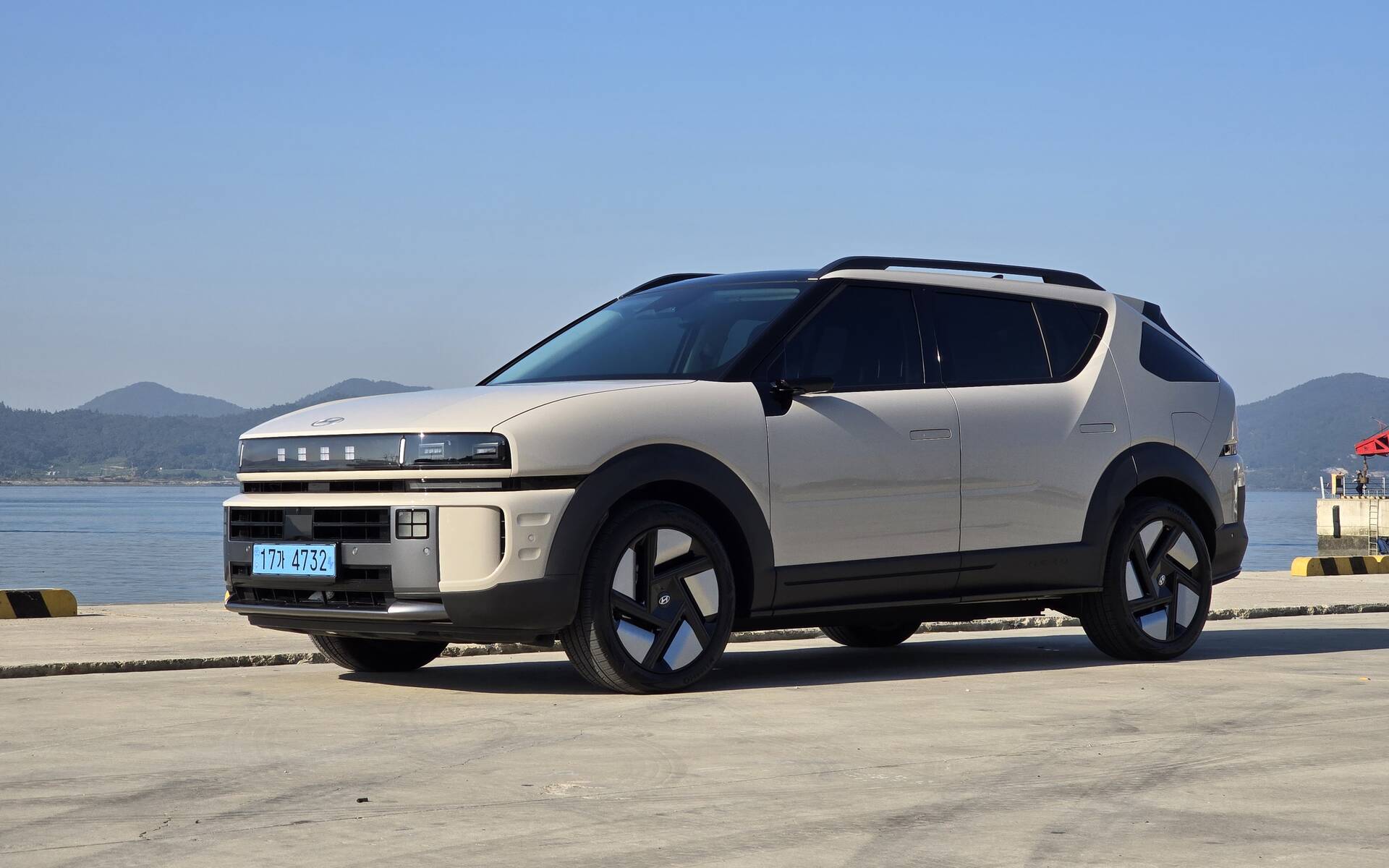
The purpose of this article is not to put hydrogen on trial, but rather to evaluate how the next-generation 2026 Hyundai Nexo stands out in the automotive landscape, as The Car Guide travelled to South Korea to test drive it. We will examine the pros and cons of this famous fuel in a future article.
Comfortable and Spacious
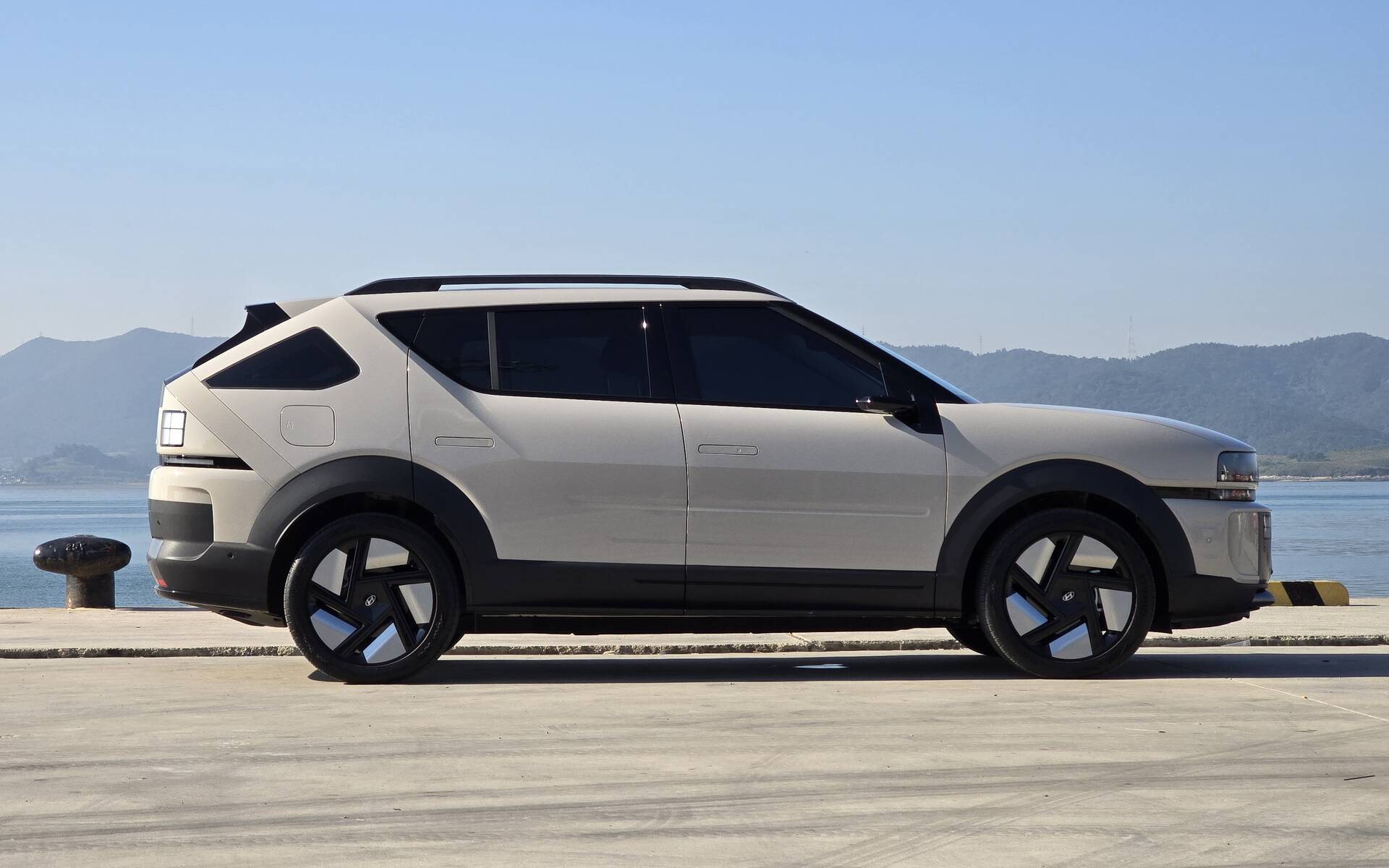
Hyundai intends to market the new Nexo exclusively to commercial vehicle fleets in Canada, at least initially, because that's where the supply factor makes sense. And it must be said that the interior finish is surprisingly well executed for a fleet vehicle. Two models offering two distinct trim levels will be available in the Canadian catalogue, but they will be identical in terms of technical specifications.
In addition to being well equipped with features such as wireless smartphone charging and a 14-speaker Bang & Olufsen sound system, our test vehicle was equipped with exterior cameras in place of rearview mirrors, with screens in the dashboard. This technology, which improves the vehicle's aerodynamics compared to traditional mirrors, is not yet approved in Canada.
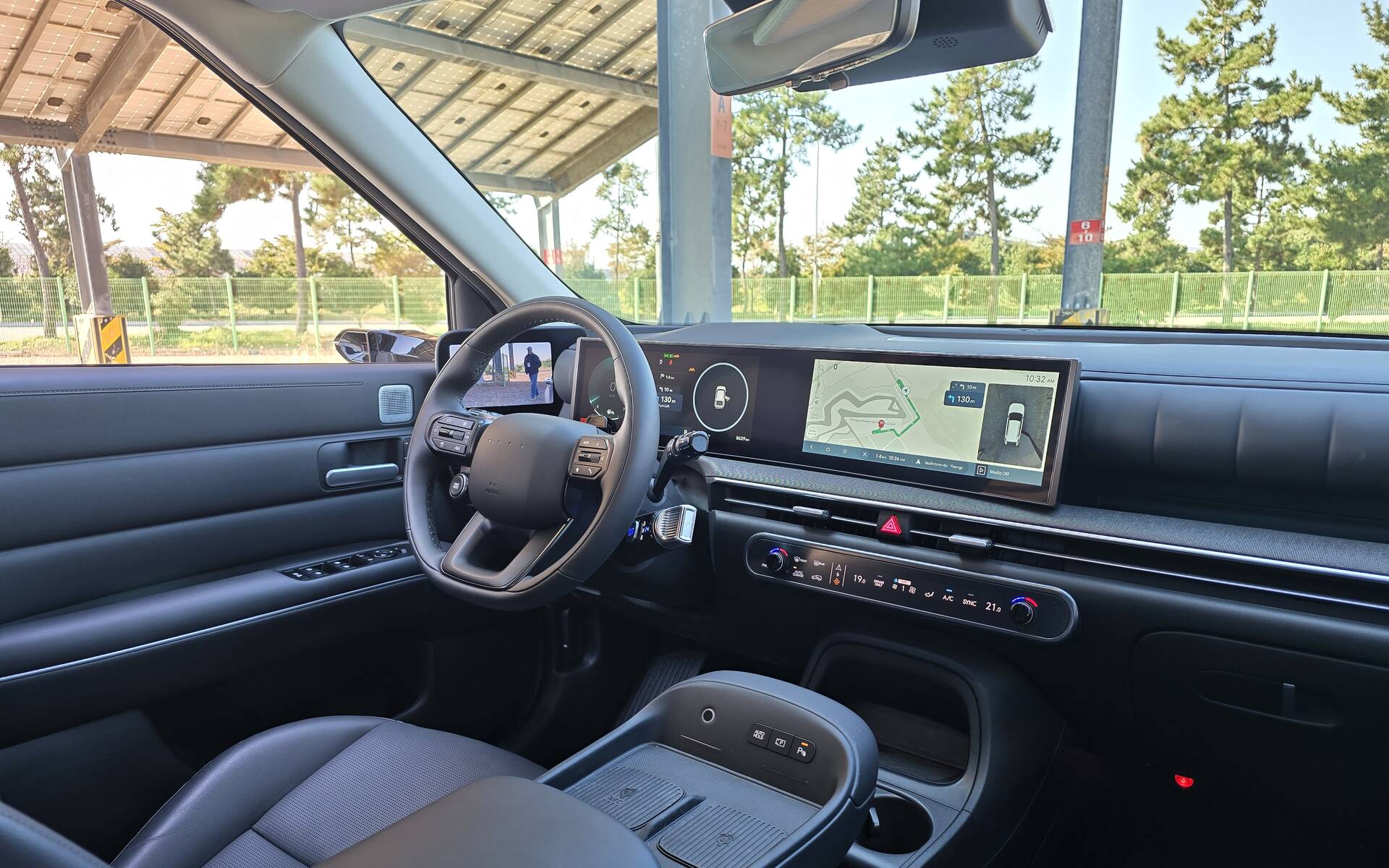
The Nexo features the typical Hyundai dashboard layout with a combination of screens for instrumentation and infotainment. The navigation system, a clear technological advantage for Hyundai, proved particularly useful and user-friendly for navigating the urban jungle of Seoul.
In the centre of the dashboard, the control panel for the ventilation and audio system is the same as that found in other vehicles in the range. An adjustment period is necessary to become comfortable with these controls, because you have to press a button to toggle between those reserved for ventilation and those for audio.
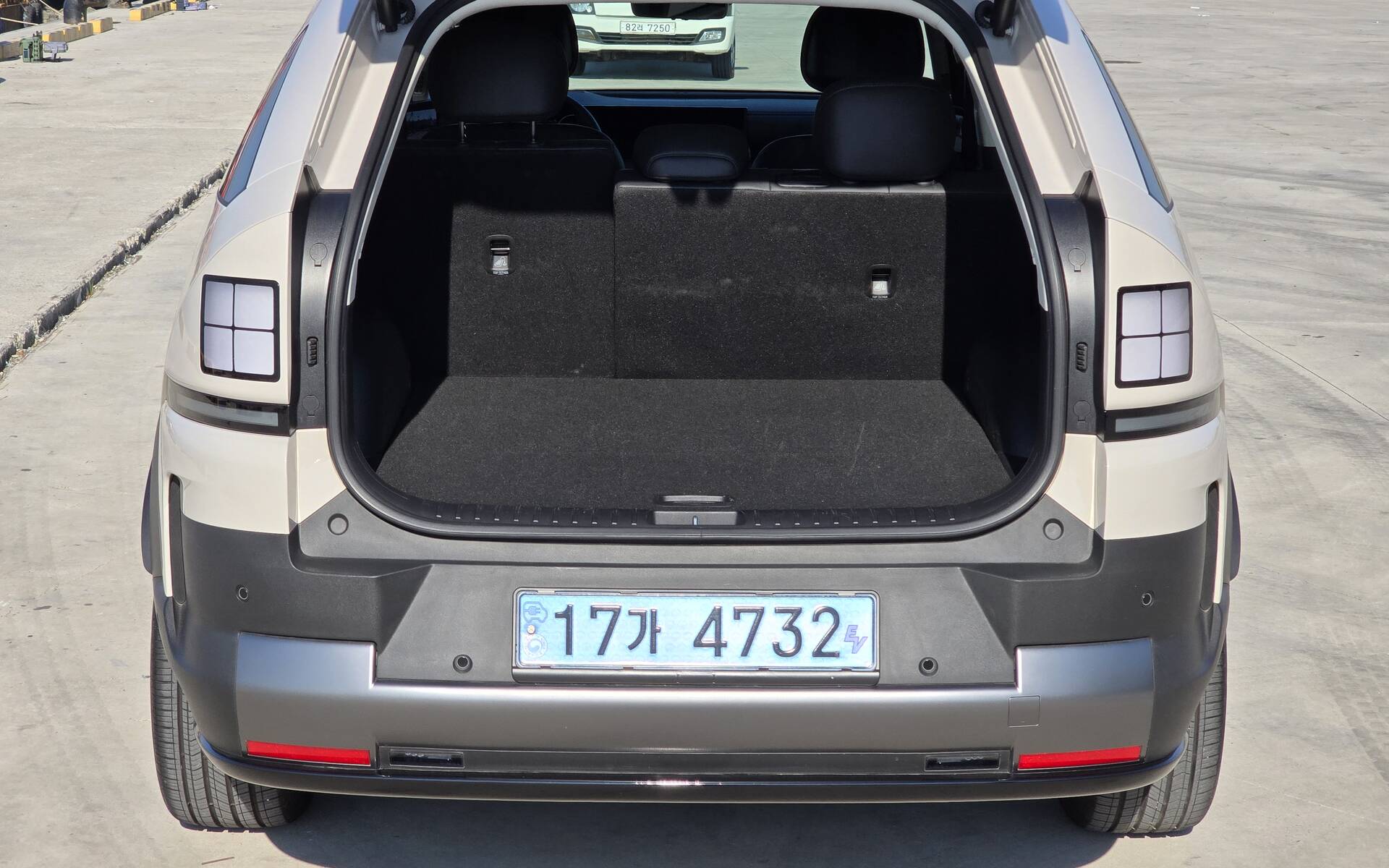
The interior of the 2026 Nexo stands out in two additional areas: space and quietness. With 993 litres of volume behind the second row, the Nexo has a lot to boast about in this regard. And after driving a few hundred kilometres in the city and on the highway, we can also conclude that it takes good care of its occupants in terms of noise levels.
Exceptional Range
On the technical side, a single front-mounted electric motor is offered, developing 250 horsepower. The fuel cell, which converts hydrogen into electricity, is also located under the front hood. The hydrogen tanks are located in the rear, near the high-voltage battery. These vital components have been improved over the first-generation Nexo. The tanks, which are made of a mixture of materials including carbon fibre, can now hold 162.6 litres (6.69 kg) of hydrogen compared to 156.6 litres (6.33 kg). The battery has gained cells with a capacity of 2.64 kWh compared to 1.56 kWh for the outgoing generation.
The pressure sensors on its tanks, the emergency relief valve, and the leak detector have all been upgraded for the new Nexo to ensure a higher level of safety.
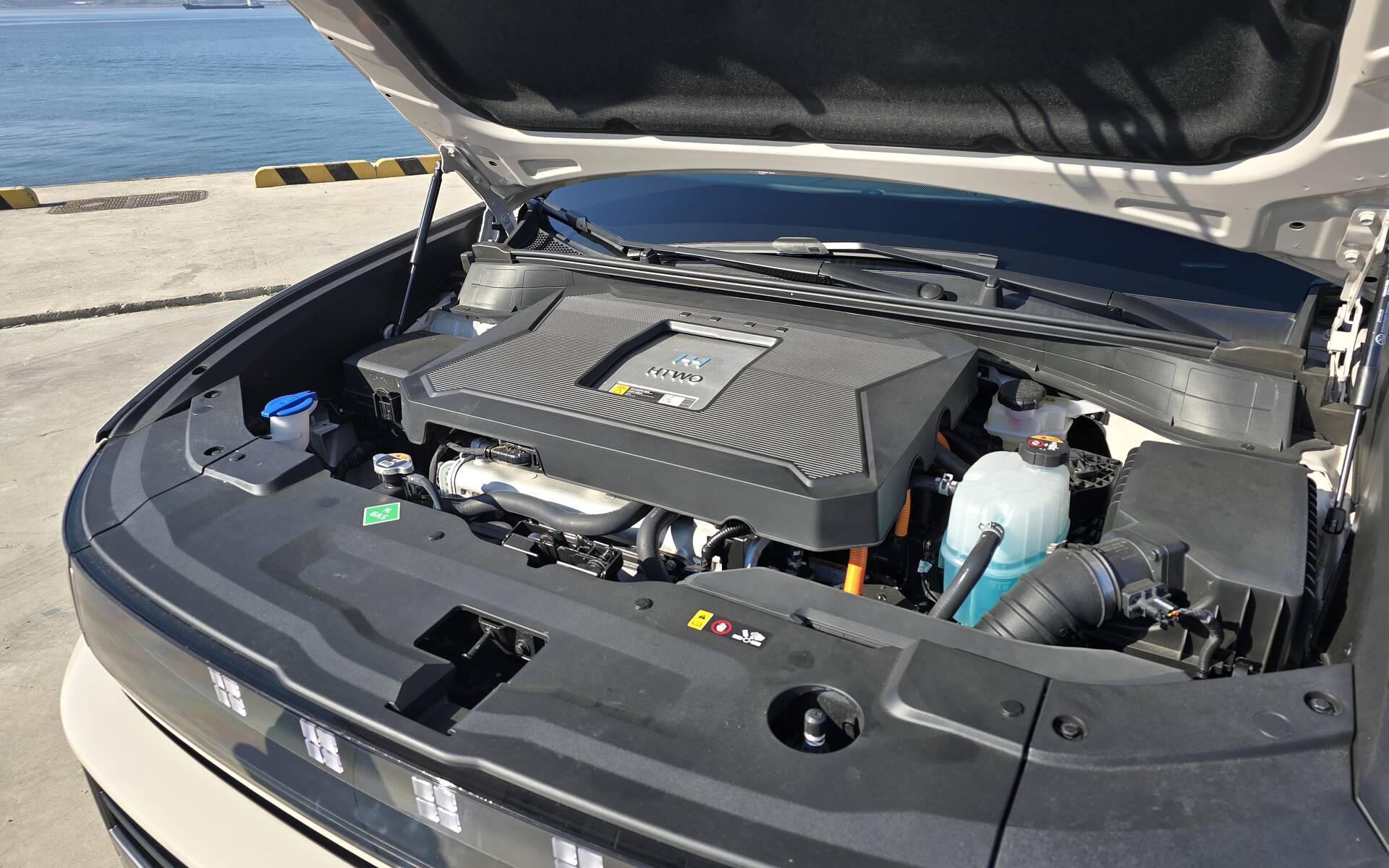
Thanks to all this hardware, the 2026 Nexo offers a range of over 700 km on paper. With an observed efficiency of 99.5 km per kilogram of hydrogen during our test, which took place mainly on the highway, we covered approximately 665 km on a full tank.
In terms of performance and driving dynamics, the Nexo is much more of a comfortable ride than a thrilling one – a character trait that aligns with the expectations of a fleet vehicle. It should be noted that it also offers V2L (Vehicle-to-Load) technology which, like many electric vehicles on the market, allows it to power equipment, tools, and electronic devices for several hours by converting the hydrogen in its tanks.
Hyundai is Sticking With Hydrogen
Of course, many questions remain unanswered regarding the Nexo. These include the reliability and maintenance costs of fuel cells, which are becoming increasingly complex, as well as price, which will be a determining factor, and refuelling. And with stations shutting down around Canada, availability could become an issue if infrastructure investments don’t follow.
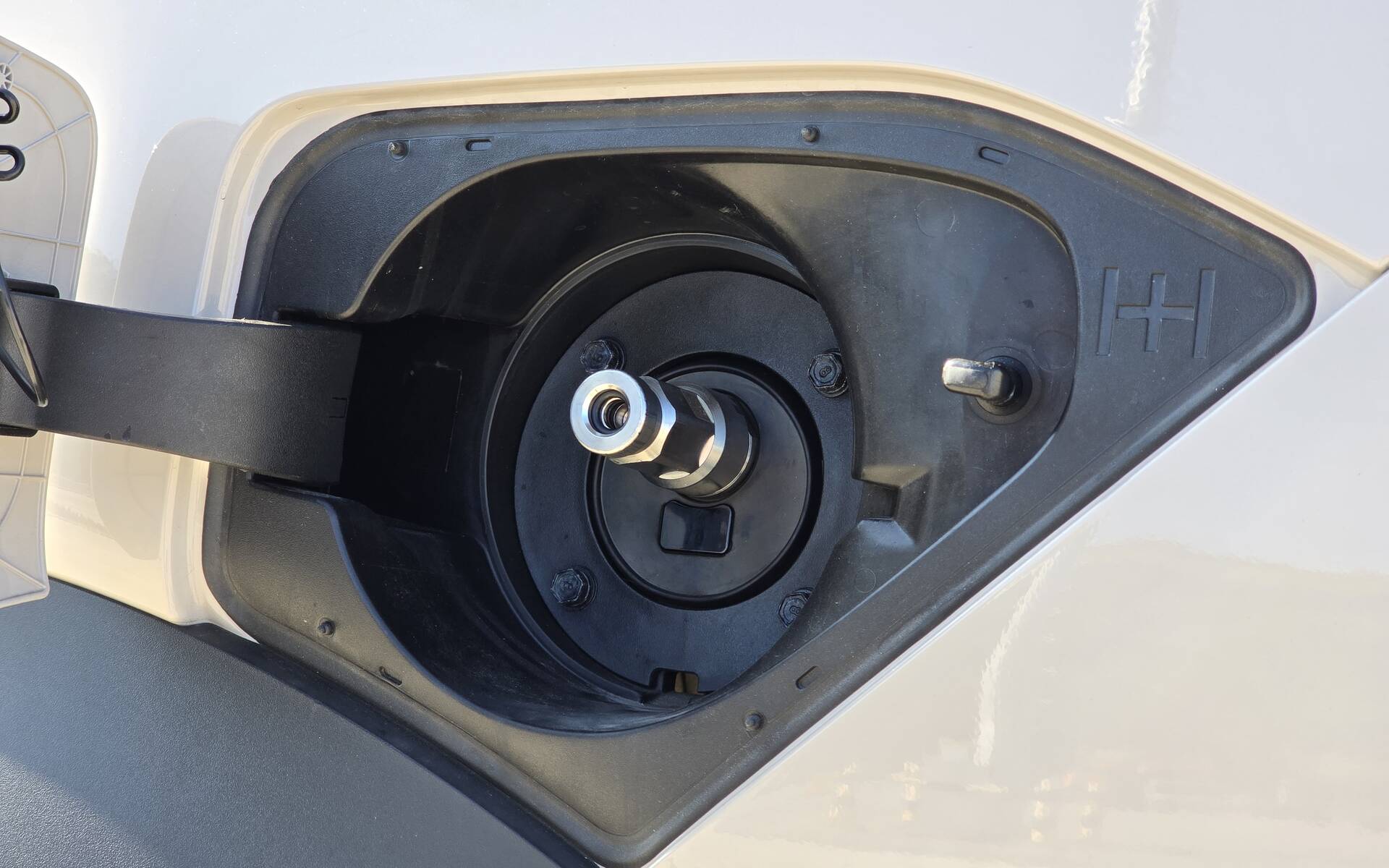
On the other hand, in addition to reducing their emissions, these fleets benefit from a vehicle with a long range that rejects only water from its tailpipe, and takes only five minutes to refuel, offering competitive advantages in terms of productivity compared to an equivalent battery-powered electric vehicle.
In South Korea, there are hundreds of hydrogen refuelling stations, and industrial giants such as Hyundai claim to have found energy-efficient ways to produce and deliver it to consumers. As with everything, scale production only reduces production costs and the energy required.
By continuing to market the Nexo here, Hyundai is keeping its options open for both passenger and commercial vehicles. And hydrogen is often considered a viable alternative for freight transport, a market segment in which Hyundai is active.
The automotive industry is currently undergoing constant change: progress is being made on some technologies and setbacks on others. And the next time the music stops in the energy musical chairs game, perhaps hydrogen will come back to the table as a viable option. If so, Hyundai will be ready to answer the call.
| Test drive report | |
| Test model | N/A |
|---|---|
| Trim level | Ultimate |
| Price range | $72,500 – $75,000 |
| Price as tested | 75 000 $ |
| Warranty (basic) | 5 years/100,000 km |
| Warranty (powertrain) | 5 years/100,000 km |
| Fuel economy (city/highway/observed) | N/A |
| Options | N/A |
| Competitive models | Toyota Mirai |
| Strong points |
|
| Weak points |
|
| Editor's rating | |
| Fuel economy | We traveled 99.5 km for every kilogram of hydrogen consumed. |
| Comfort | The Nexo is a comfortable and surprisingly spacious utility vehicle. |
| Performance | Power is sufficient. |
| Infotainment | Hyundai's multimedia system is advanced, clear and easy to use. |
| Driving | The Nexo's priority is comfort and convenience rather than dynamics. |
| Overall | As a versatile sport utility vehicle, the Nexo performs well overall, but its biggest drawback is that it runs on hydrogen fuel. |