New Report Claims Apple CarPlay May Be Coming to Teslas
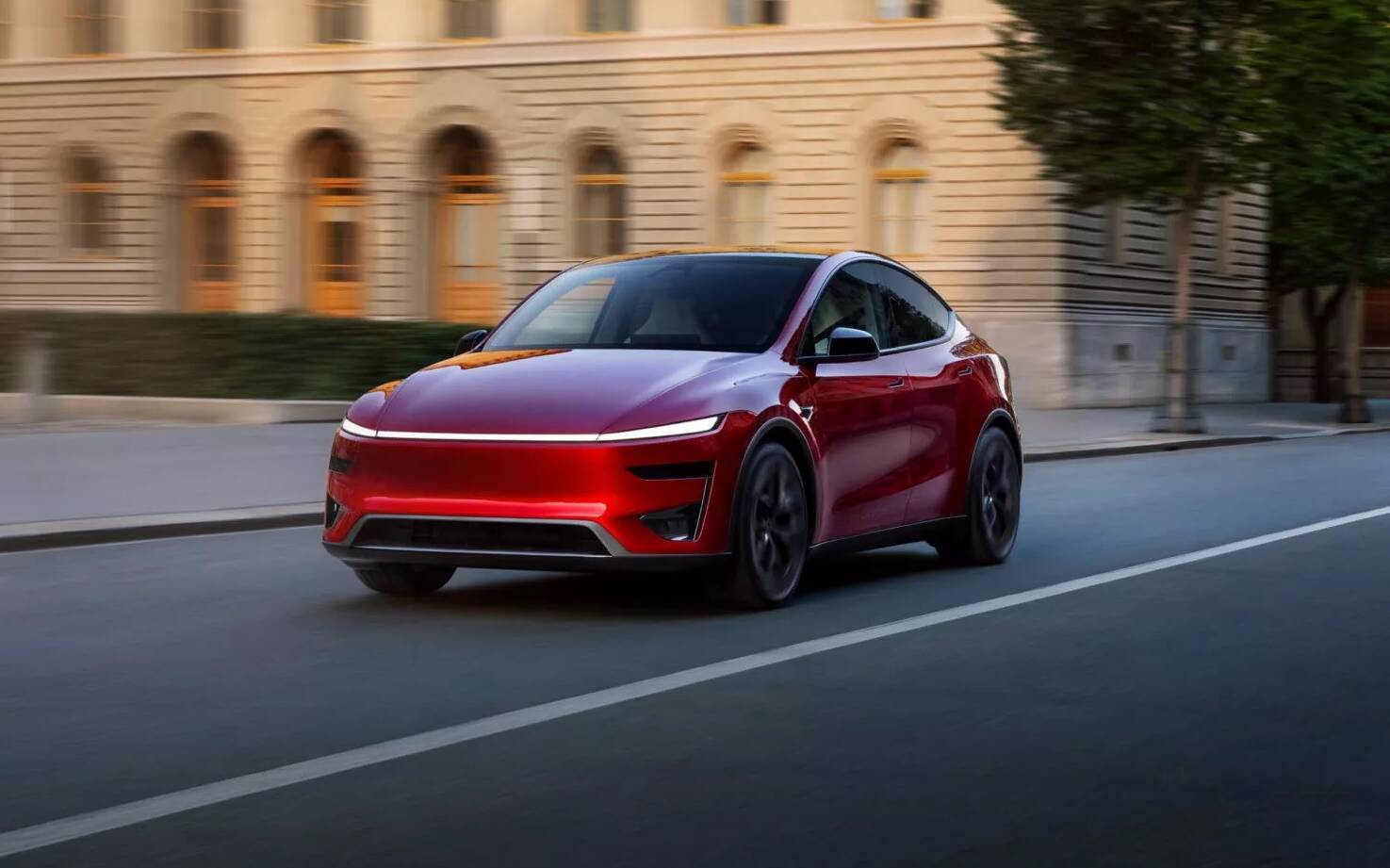
Just how important are Apple CarPlay and Android Auto to consumers? Last year, a large international study by McKinsey revealed that 35% of people shopping for a vehicle wouldn't consider a model that didn't offer them. Among those considering an electric vehicle, the proportion was slightly lower but still reached 30%.
The lack of Apple CarPlay or Android Auto has never seemed to really hurt sales of Tesla, which has always preferred to rely exclusively on its own infotainment system. However, things could soon change.
- Also: Some Automakers Change Their Minds, Want No Part of Apple CarPlay Ultra
- Also: Apple CarPlay Ultra is Here, Debuts in Aston Martin Cars
Granted, it’s not the first time we've heard rumours about this, but as Bloomberg reports this week based on anonymous sources familiar with the matter, Elon Musk's company is currently conducting integration tests with Apple CarPlay.
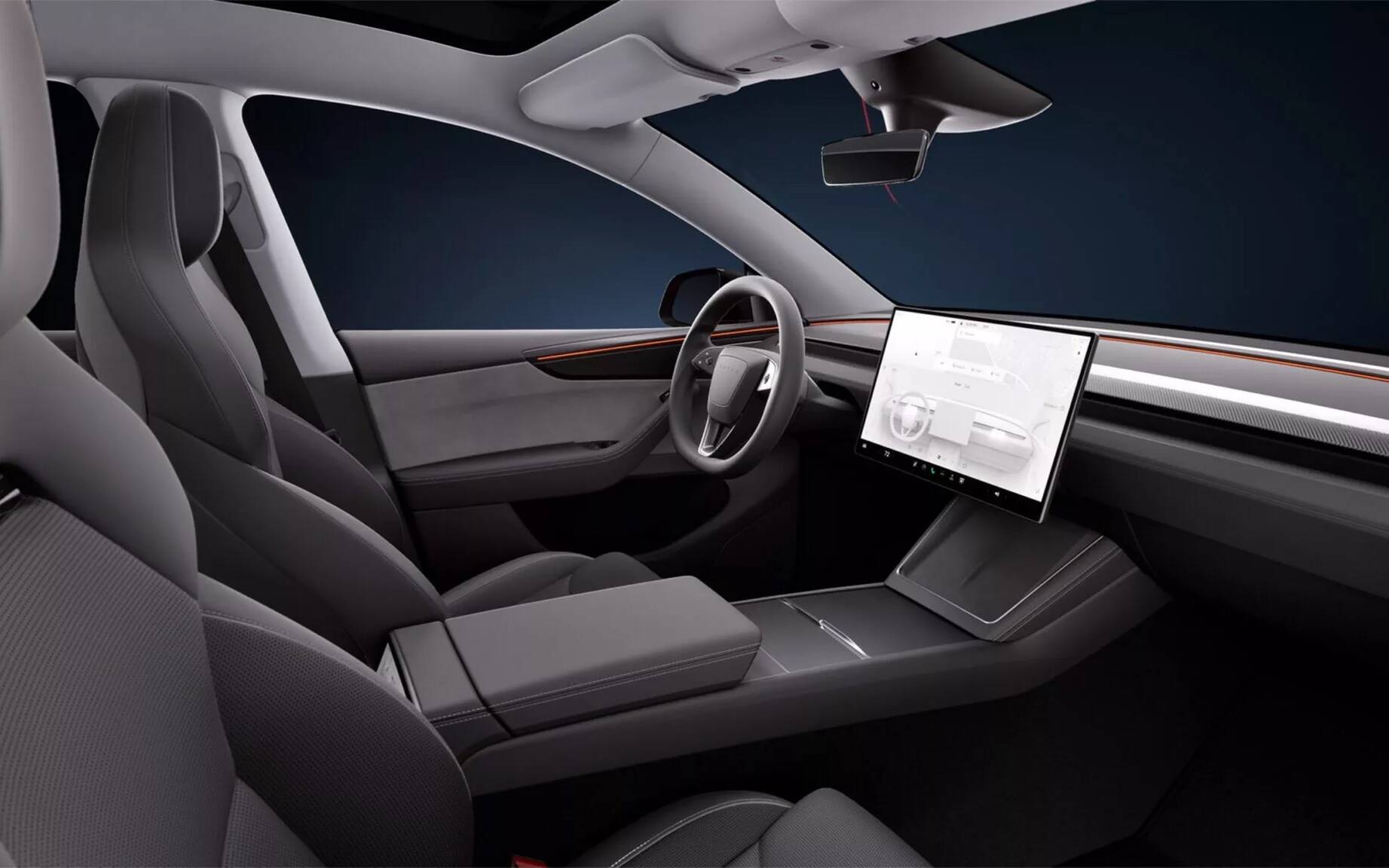
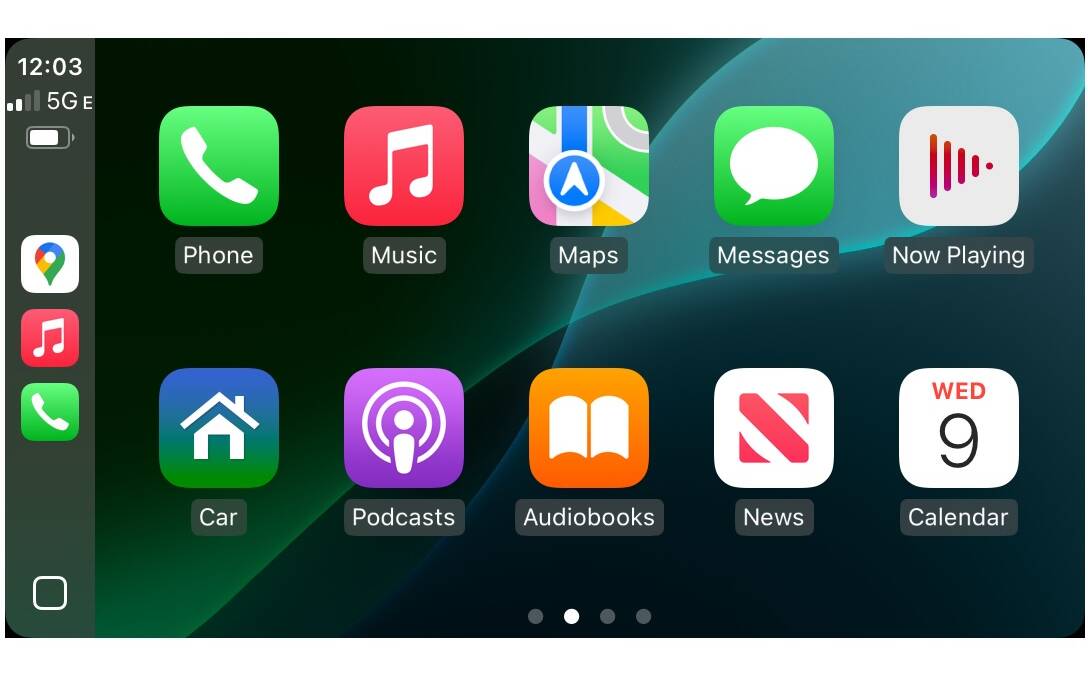
More specifically, the report is talking about the original Apple CarPlay system, not the new Ultra version (which makes sense, since Teslas only have one display). Instead of occupying the entire screen, CarPlay would simply open in a window on the touchscreen.
As a result, Tesla drivers could finally have access to features beyond just calls and streaming audio via Bluetooth. These include Apple Maps, of course, as well as several other popular apps.
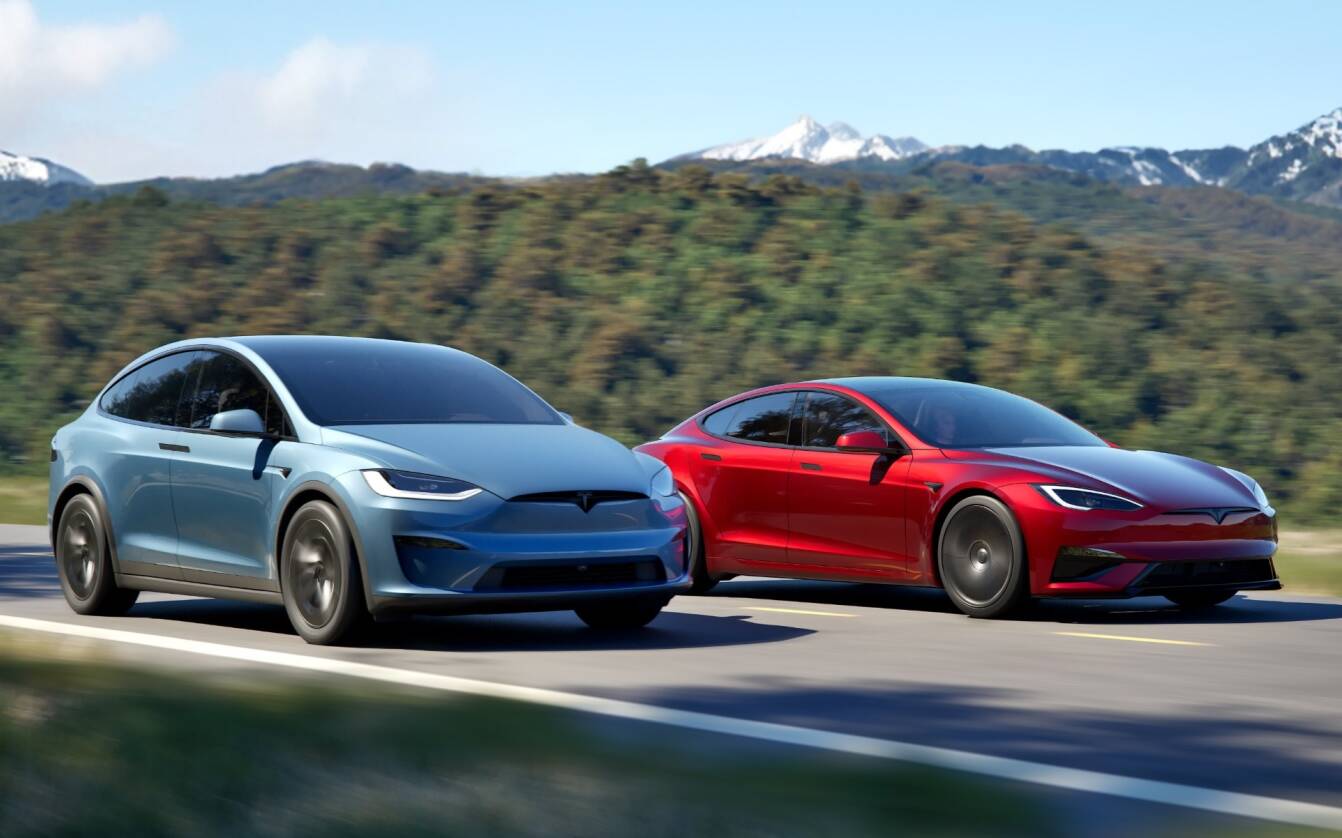
If Musk swallows his pride (he has often criticized Apple in the past) and Tesla decides to move forward, CarPlay could soon be integrated into new models in addition to being downloadable in existing vehicles through an OTA update, presumably.
The Bloomberg story doesn't mention any tests with Android Auto, by the way, but that could happen later—or not.
Elsewhere in the auto industry, a few other companies are refusing to offer Apple CarPlay and Android Auto. This is the case with Rivian, for example. Meanwhile, General Motors announced in recent weeks that all of its future vehicles will abandon both systems, not just its electric models, citing a desire to better control data and the user experience—and to generate revenue through subscription services, naturally.