All-New 2026 Porsche Cayenne Electric Delivers Up to 1,139 Horsepower
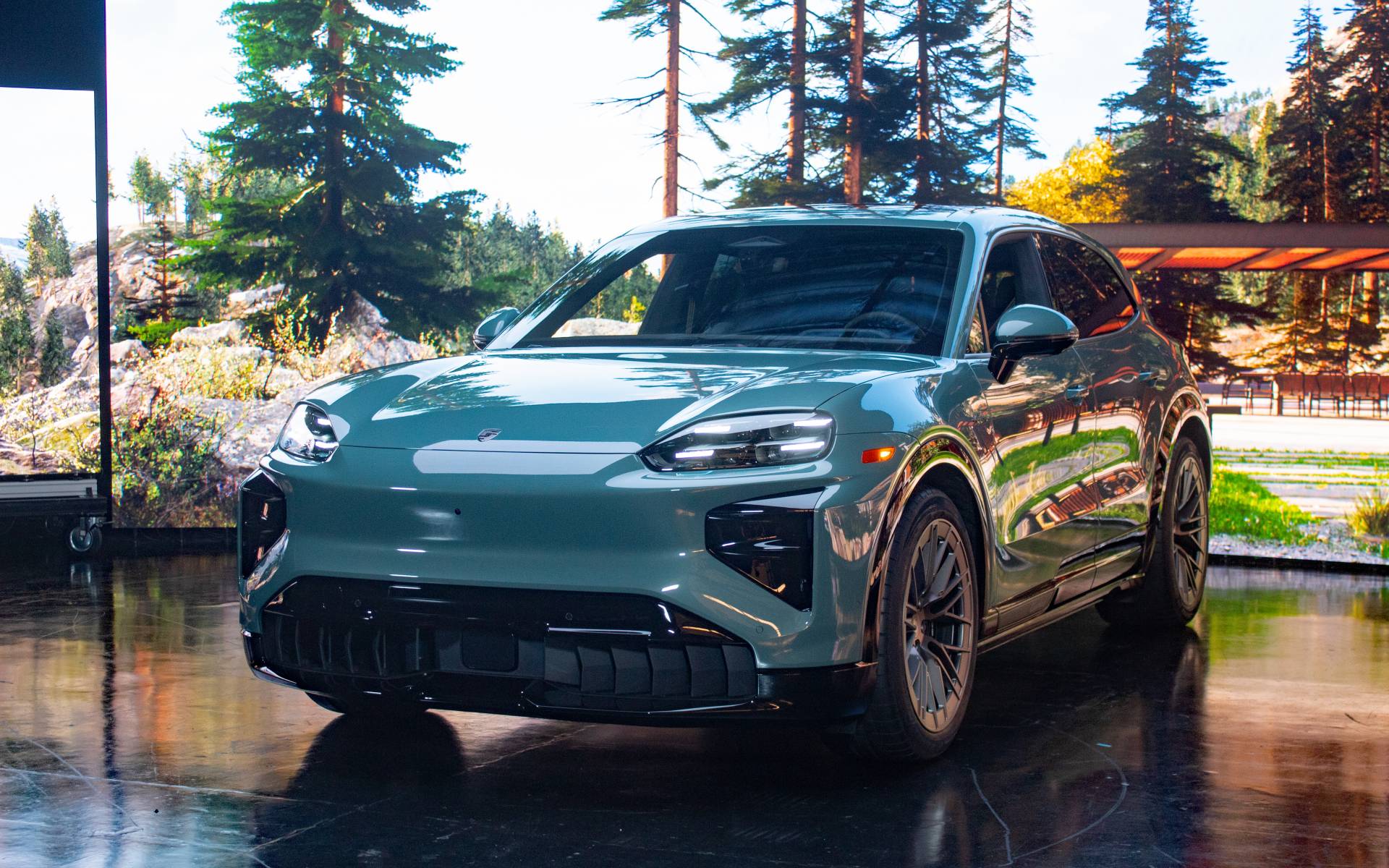
Following the Taycan and Macan Electric, Porsche is expanding its EV lineup with the introduction of the all-new Cayenne Electric—the most powerful production vehicle ever made by the German luxury brand—which will go on sale in the summer of 2026.
Back in July, the company touted the impressive capabilities and performance of its battery-powered midsize SUV, which managed to set records even before going into production, claiming it combines the performance of a super sports car with Formula E levels of energy recuperation.
- Also: Porsche Cayenne Electric Sets Records Even Before Hitting the Market
- Also: Porsche Macan Electric Lineup Expands With Racy GTS Model
402, 844 or 1,139 Horsepower
Two Cayenne Electric models, both featuring standard all-wheel drive, are available. The base model produces 402 horsepower, but with Launch Control activated, output increases to 435 horsepower along with 616 lb-ft of torque. The result is 0-100 km/h acceleration in 4.8 seconds and a top speed of 230 km/h.
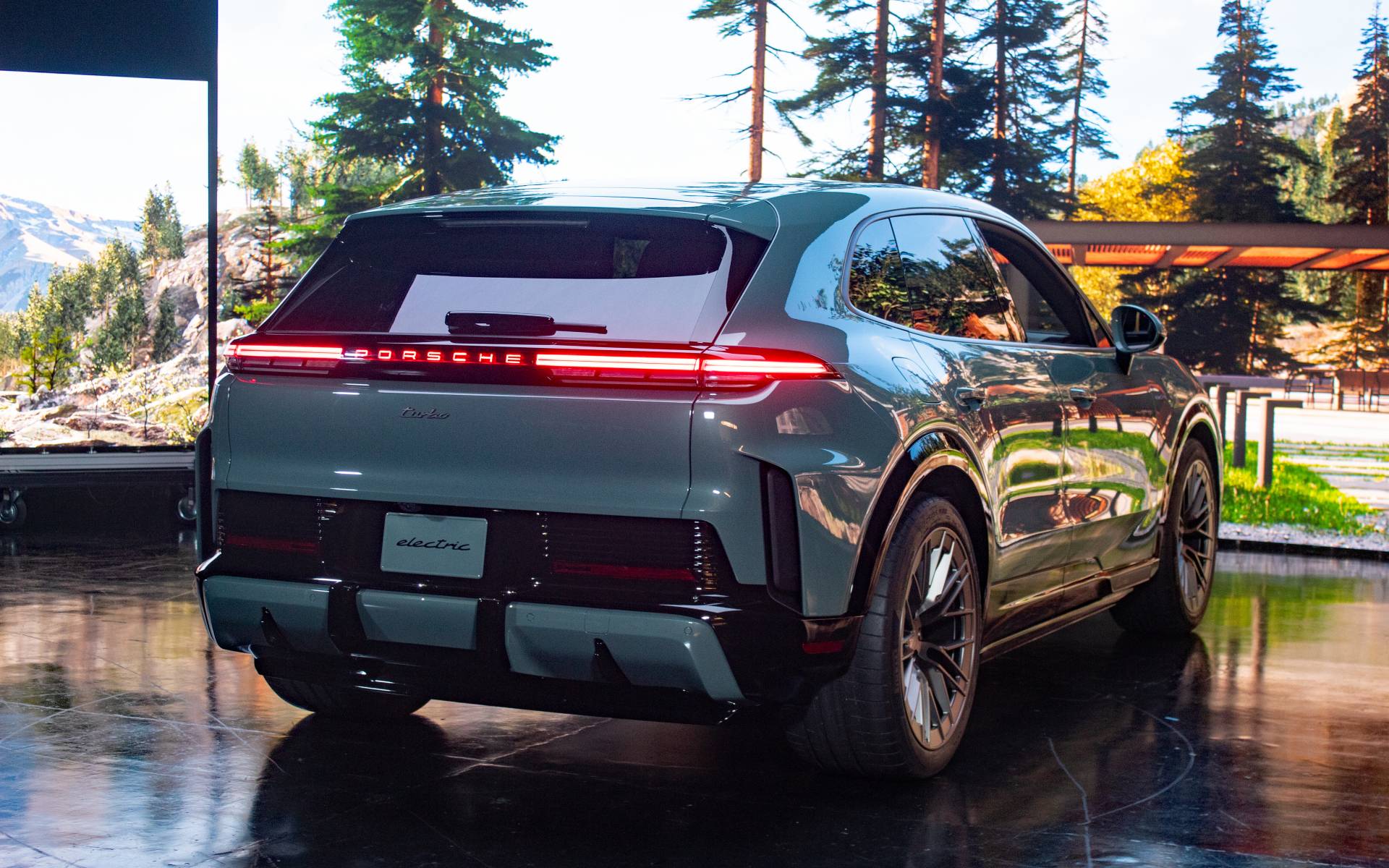
Meanwhile, the Cayenne Turbo Electric delivers 844 horsepower, with an additional 173 horsepower accessible for 10 seconds with the Push-to-Pass button. Still not enough? Thanks to direct oil cooling of the electric motor on the rear axle to ensure high continuous output and efficiency (an innovation from motorsports), it can generate up to 1,139 horsepower and 1,106 lb-ft of torque with Launch Control. Amazingly, 0-100 km/h sprints are achieved in as little as 2.5 seconds and the quarter-mile run is over in just 9.9 seconds. Top speed increases to 260 km/h.
The Cayenne Electric also offers Formula E levels of energy recovery during braking with up to 600 kW of recuperative power. The mechanical friction brakes rarely need to intervene. For sportier applications, ceramic composite brakes are optional in Turbo trim. And in case owners need to pull a trailer, maximum towing capacity is rated at 3,500 kg (7,716 lbs).
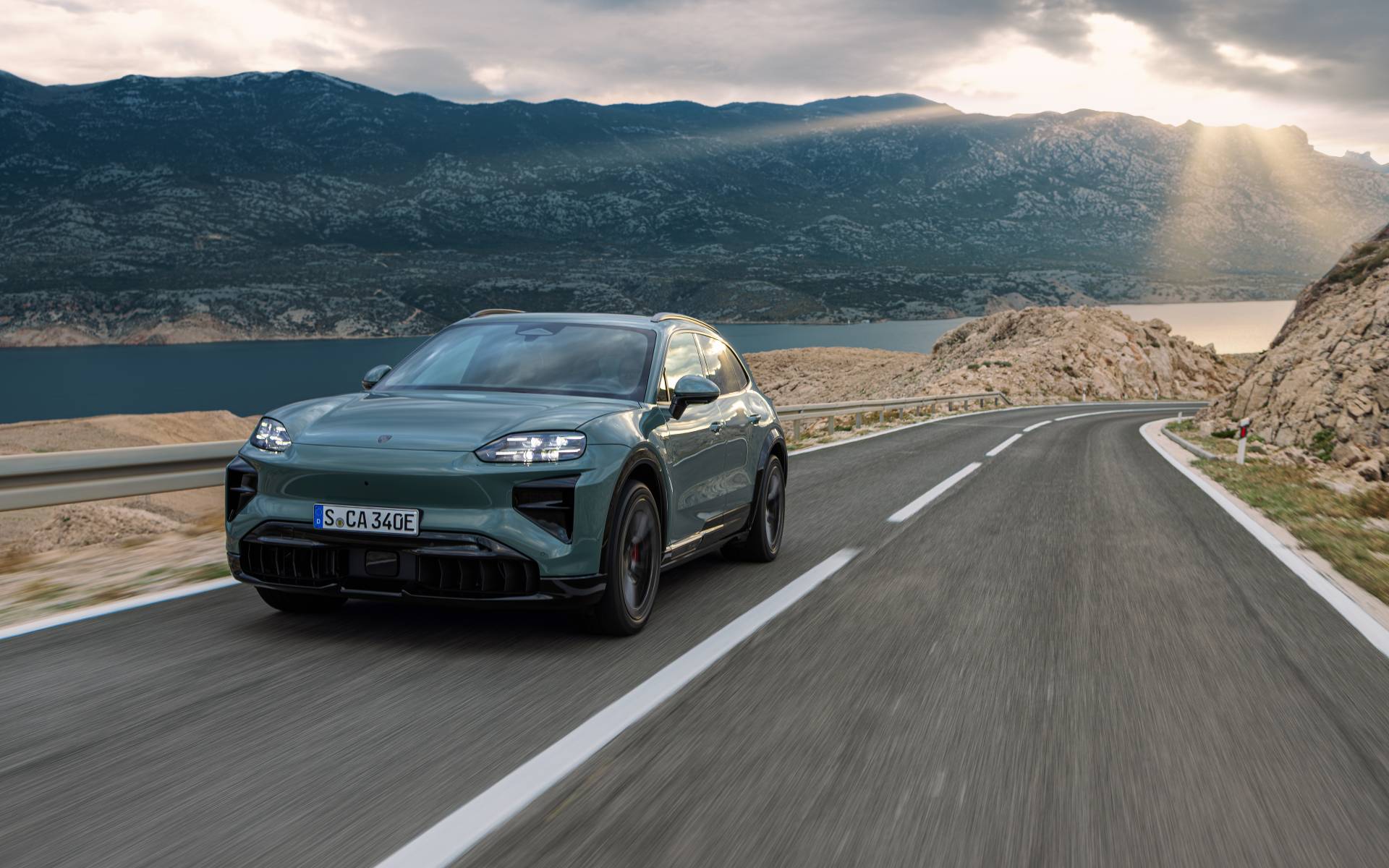
When it comes to the chassis, both models benefit from an adaptive air suspension with Porsche Active Suspension Management (PASM) and electronic Porsche Traction Management (ePTM). They can be equipped with rear-axle steering, which steers the rear wheels by up to five degrees. The Cayenne Turbo Electric also features the Porsche Torque Vectoring Plus (PTV Plus) limited-slip rear differential. In addition, Porsche Active Ride is available for the SUV for the first time. This active suspension system uses adaptive dampers to almost completely compensate for body movements.
State-of-the-Art EV Architecture
The all-electric Cayenne draws energy from a newly developed 113kWh high-voltage battery with double-sided cooling for optimum thermal management, particularly in heavy-load conditions. Thanks to its 800V technology, it charges with up to 400 kW DC charging power, which means the state of charge can be increased from 10-80 percent in less than 16 minutes. How about that?
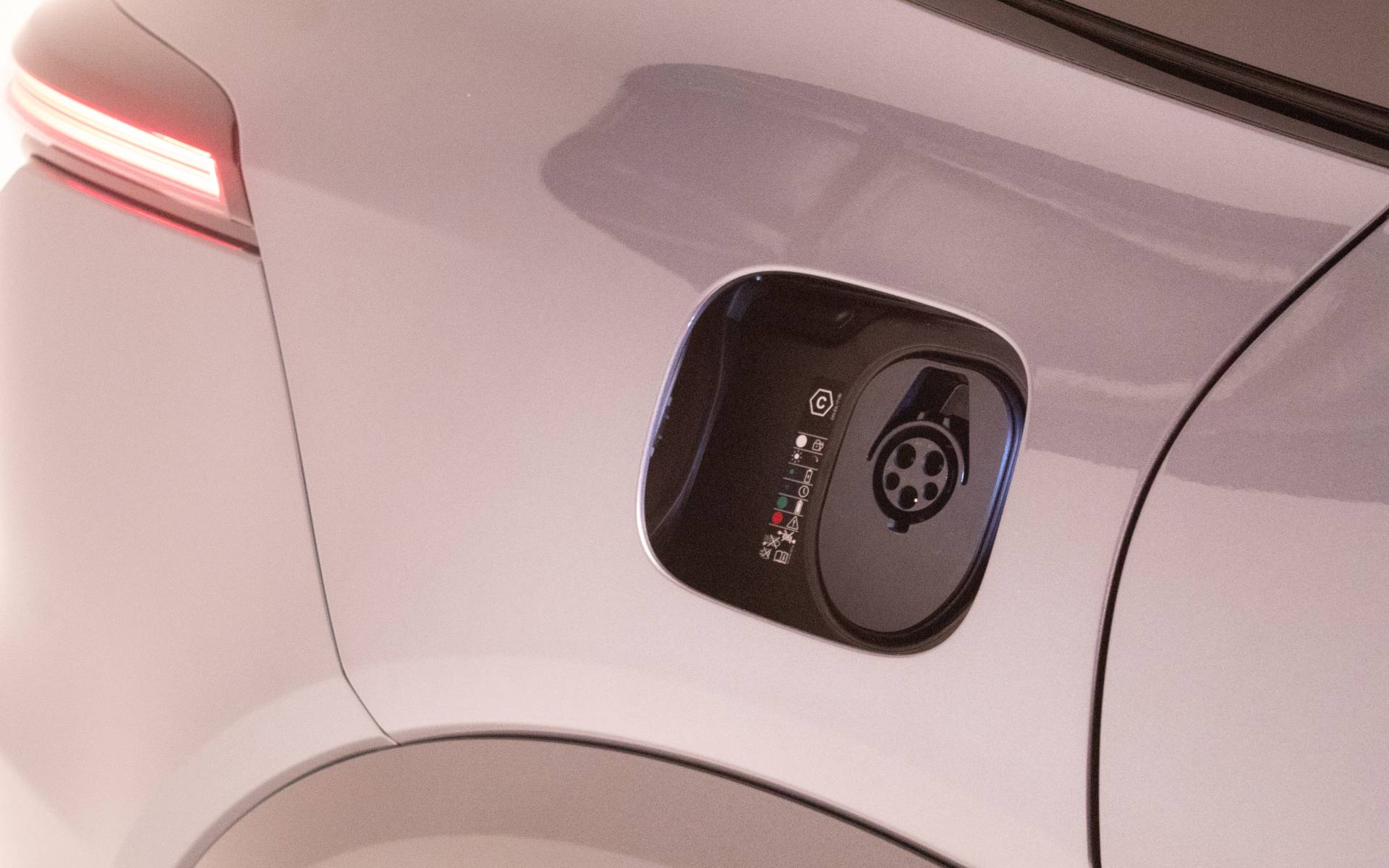
The Cayenne Electric is the first Porsche EV to come equipped with J3400 (NACS) DC-only fast charging port on the driver side and a J1772 AC-only charging port on the passenger side. For now, Porsche is unable to confirm the maximum range of each model, but a good bet would be around 500 km.
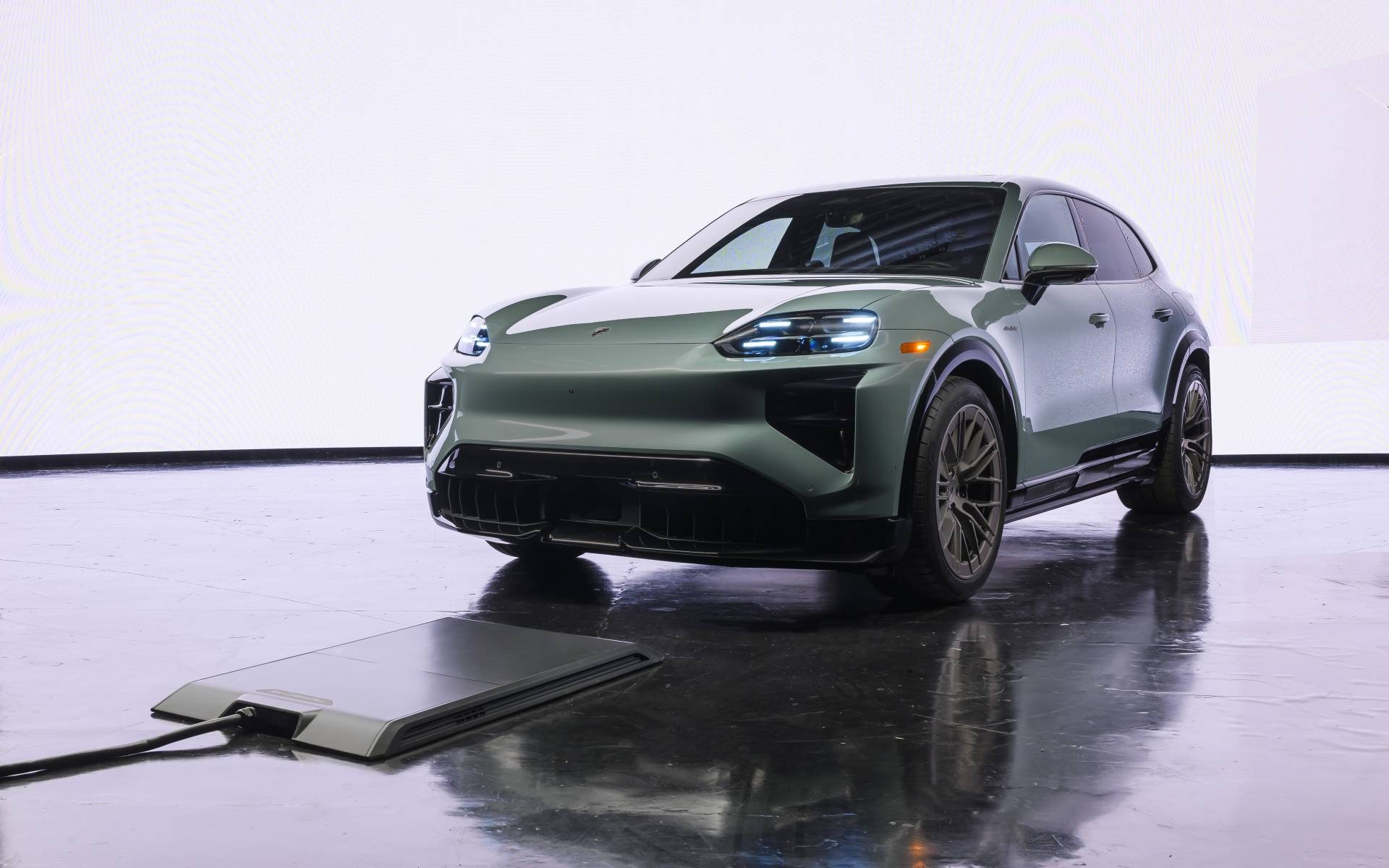
Oh, and as previously reported, Porsche will introduce an 11kW induction charging system in the summer of 2026, replacing the traditional home charging station. All the driver has to do is to align the vehicle above the ground pad to initiate charging. Product manager Markus Meyer told us that the technology has been rigorously tested to withstand winter conditions—even when the pad is covered in snow or ice. What’s more, multiple sensors can detect obstructions caused by objects or animals and automatically deactivate the charging system. If the obstruction continues, the owner will receive a notification on their mobile phone.
Unique Styling
Thanks to a drag coefficient of just 0.25, the new Cayenne Electric is one of the most aerodynamic SUVs in its class. The active aerodynamic elements include movable cooling air flaps in the nose, an adaptive roof spoiler and the innovative, active aero blades at the rear of the Turbo model. Other aerodynamic measures include air curtains in the front bodywork, an almost completely enclosed underbody, special aero wheels and a diffuser at the rear.
With regard to styling, the low hood is flanked by slim Matrix Design LED headlights, which can be upgraded to the optional Matrix Design HD headlights featuring HD technology. The strongly contoured front fenders emphasize the vehicle’s wide stance, while the roof is defined by a gently sloping roofline a.k.a. flyline. For customers with special requirements in terms of approach angle and robustness, the Off-Road Design package features modified geometry to help safely navigate rough dirt roads and steeper inclines.
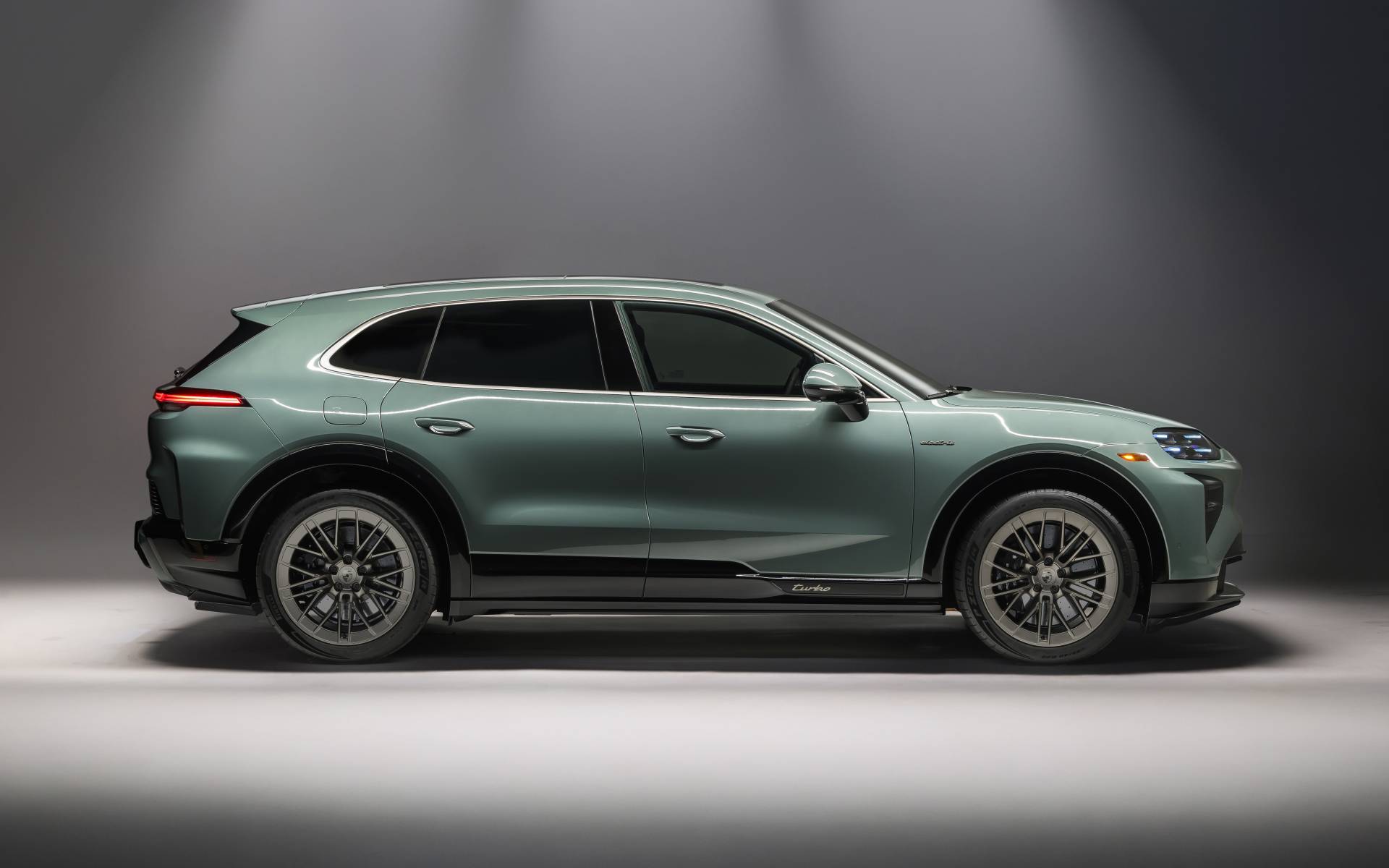
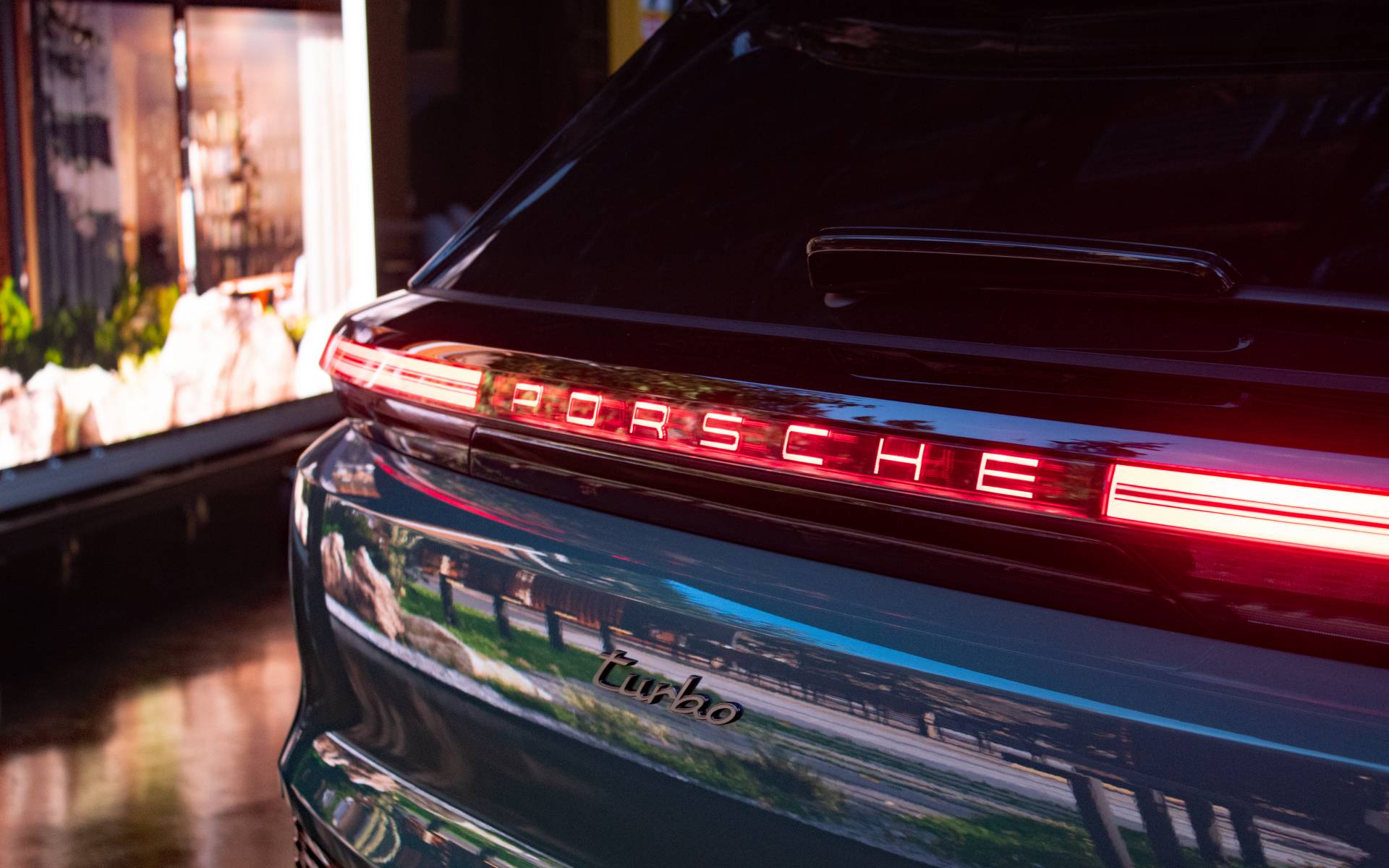
The side view is characterized by frameless doors and flush door handles, but don’t miss the side skirts in a distinctly three-dimensional design, which are painted in Volcanic Grey Metallic in base trim or high-gloss black on the Cayenne Turbo Electric. In the rear, illuminated Porsche lettering on the liftgate is complemented by a 3D-style light strip with animated graphics. Cool. The Turbo features numerous contrasting elements in the exclusive Turbonite colour, such as the Porsche badges, the faces of the alloy wheels and the side window trims.
In terms of size, the new Cayenne Electric is 55 mm longer than its conventionally powered sibling. The difference is greatest in the wheelbase, which stands at 3,023 mm and represents an increase of almost 130 mm. The result is more legroom and comfort for rear passengers than ever before. Incidentally, the rear seat system is electrically adjustable as standard and offers flexible adjustment options from a comfort position to a cargo one. Speaking of which, cargo capacity ranges from 781 to 1,588 litres, with an extra 90 litres in the frunk.
Tech-Laden Cabin
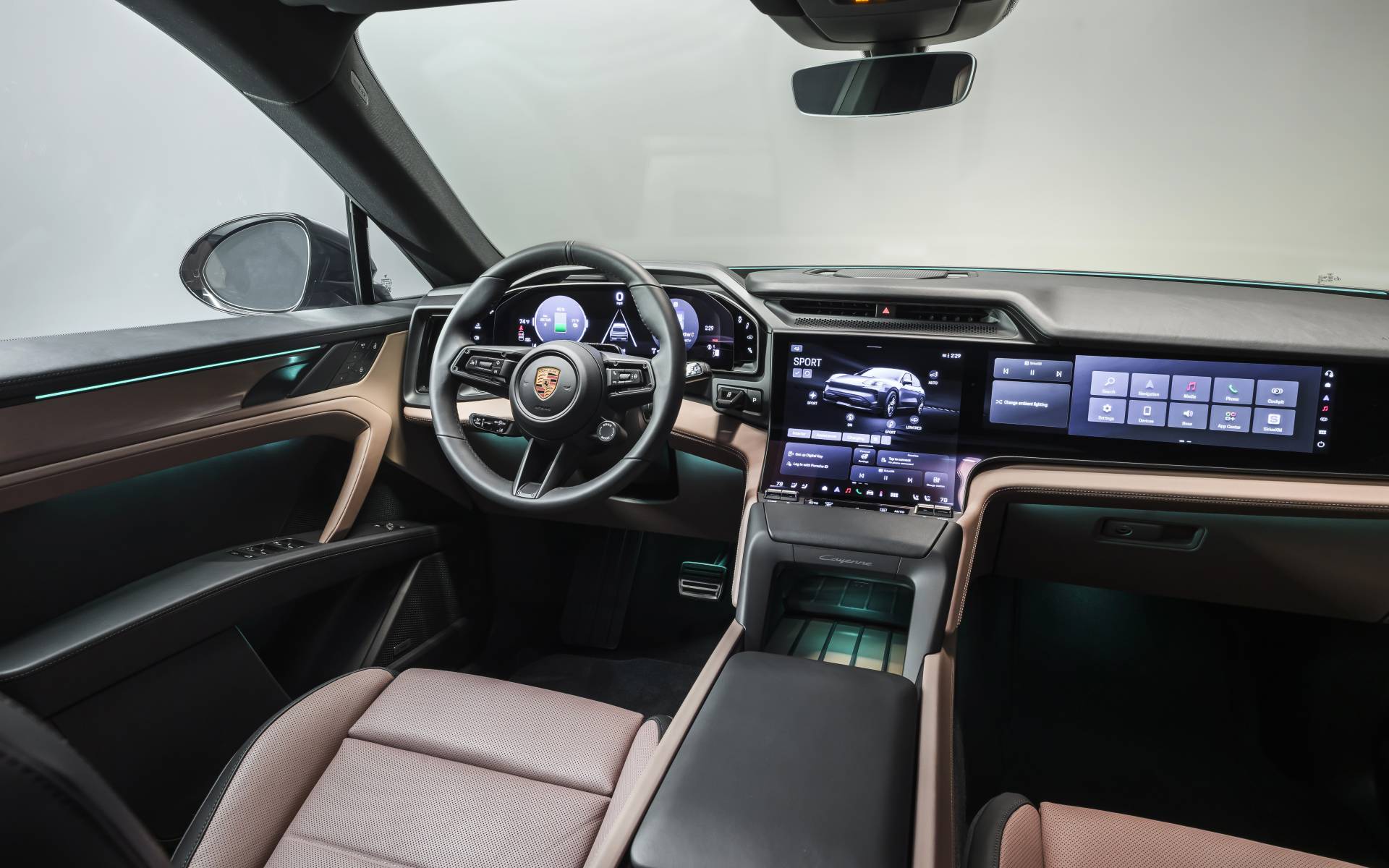
Once inside, all eyes immediately turn to the 14.25-inch digital instrument cluster and the new 12.25-inch curved OLED infotainment touchscreen, the latter requiring some getting used to. The good news is that Porsche has opted for a combination of physical and digital controls ensuring both ease of use and a clean layout. A 14.9-inch passenger-side display is also available as an option. Just like the Macan Electric, the Cayenne Electric features an augmented-reality head-up display—quite nice and fairly useful once the learning curve is complete.
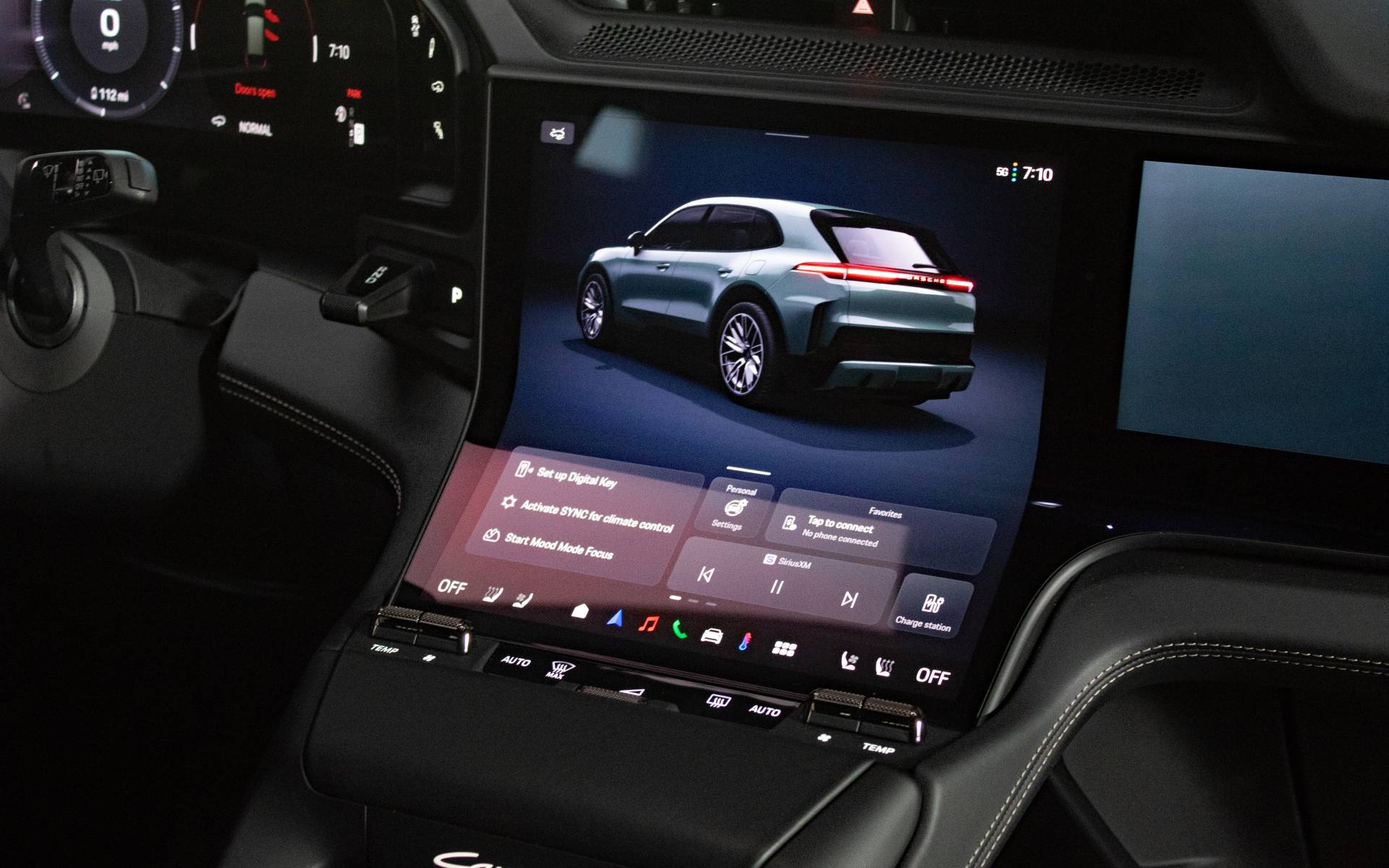
What about gadgets? With the new Mood Modes function, the seating position, ambient lighting, air conditioning, sound profile and display graphics change depending on the selected mode. The panoramic sunroof features Variable Light Control, an electrically switchable liquid crystal foil that provides an airy feeling of space. Another highlight is the new interior surface heating: it not only warms the seats, but also large areas of contact surfaces such as armrests and door panels.
How Much?
Sold alongside the gas and hybrid variants of the Cayenne, the 2026 Porsche Cayenne Electric starts at $131,300, while the Cayenne Turbo Electric retails from $178,300. Both are available to order now, with deliveries to begin in the summer of 2026.
Never before has a Cayenne been so comprehensively and individually customizable. Customers can choose from 13 standard colours, nine wheel designs ranging from 20-22 inches, 12 interior combinations, as well as up to five interior packages and up to five accent packages. That’s not even counting the Porsche Exclusive Manufaktur program, the extended exterior colour range of Paint to Sample and the Sonderwunsch program allowing customers to basically design a complete one-off.