BMW Mulling Range-Extending EVs, Report Claims
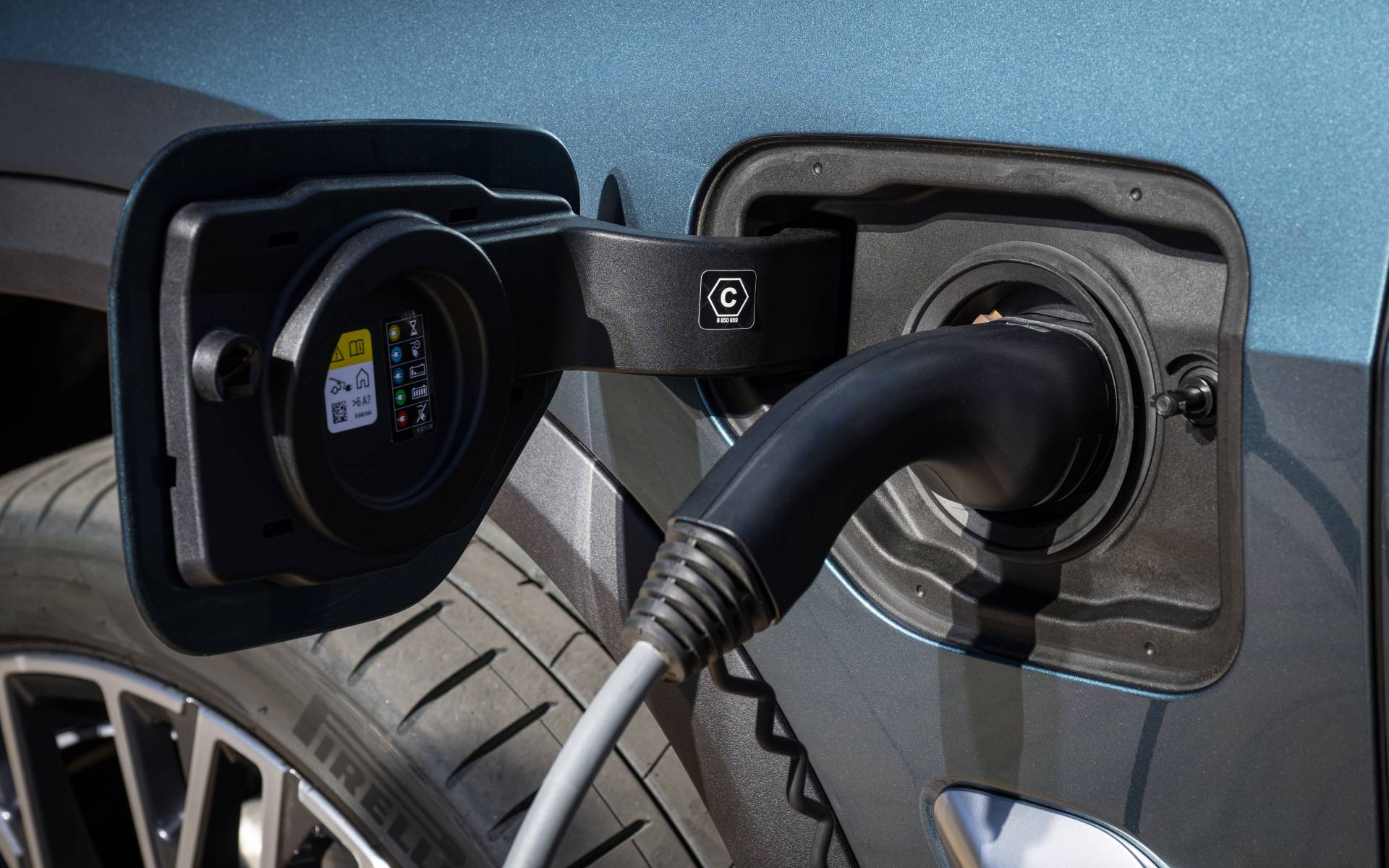
Don’t look now, but with slowing demand for electric vehicles, BMW might join the list of automakers preparing to launch range-extending EVs—basically plug-in hybrids with no connection between the combustion engine and the wheels.
This kind of technology, as you probably remember, used to be available in the late BMW i3 REX, a small hatchback capable of traveling about 250 kilometers on battery power and about 100 additional kilometers using a tiny two-cylinder gas engine as a generator to charge it.
- Also: BMW’s Biggest Sellers Expected to Get Significant Price Hikes Soon
- Also: 2026 BMW iX3: Five Things to Know
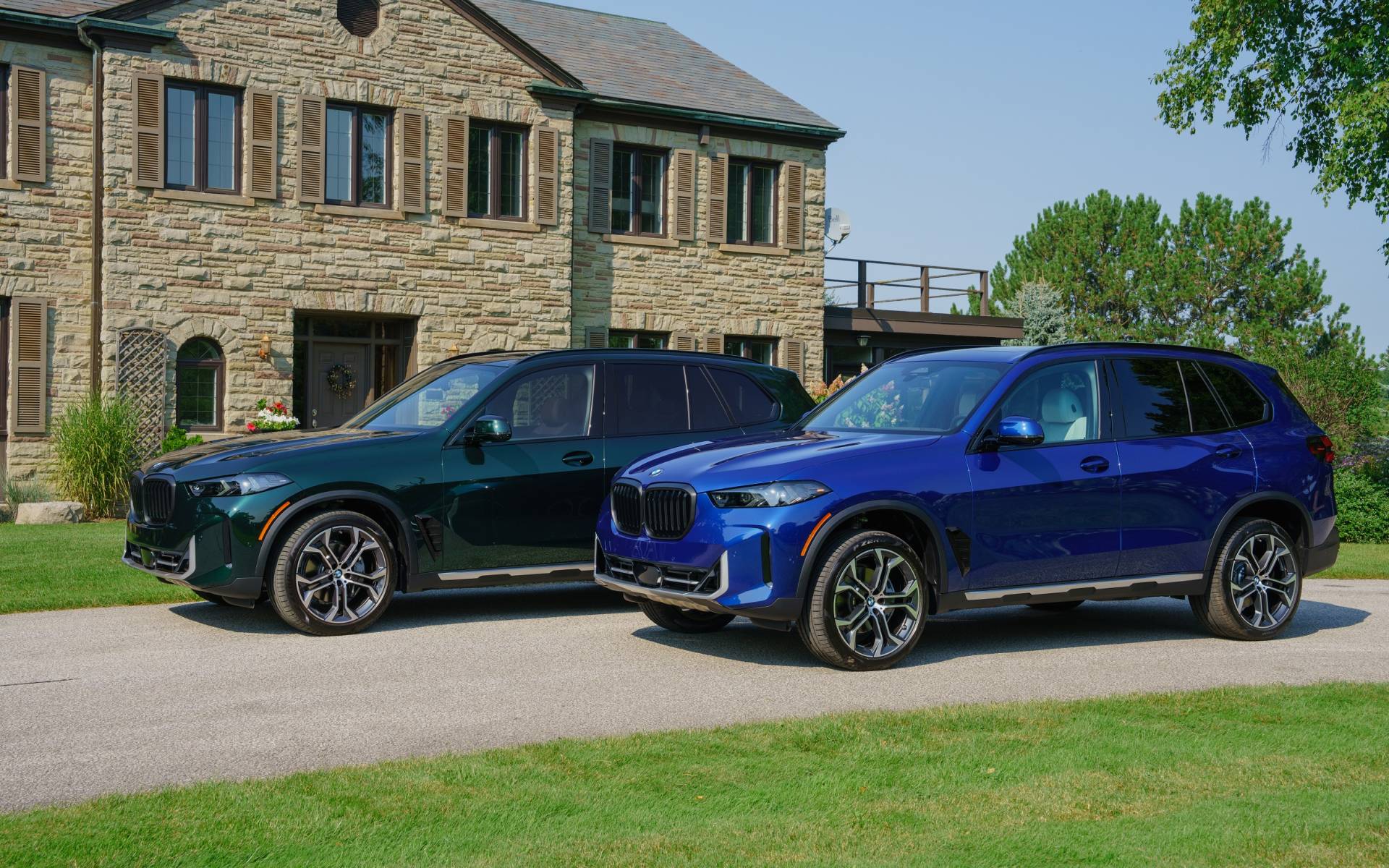
According to a report this week by Bloomberg, citing sources familiar with BMW's plans, the German manufacturer is considering an X5 and 7 Series with a range extender. Both are larger vehicles that would facilitate the integration of such a system without really sacrificing cargo space or comfort.
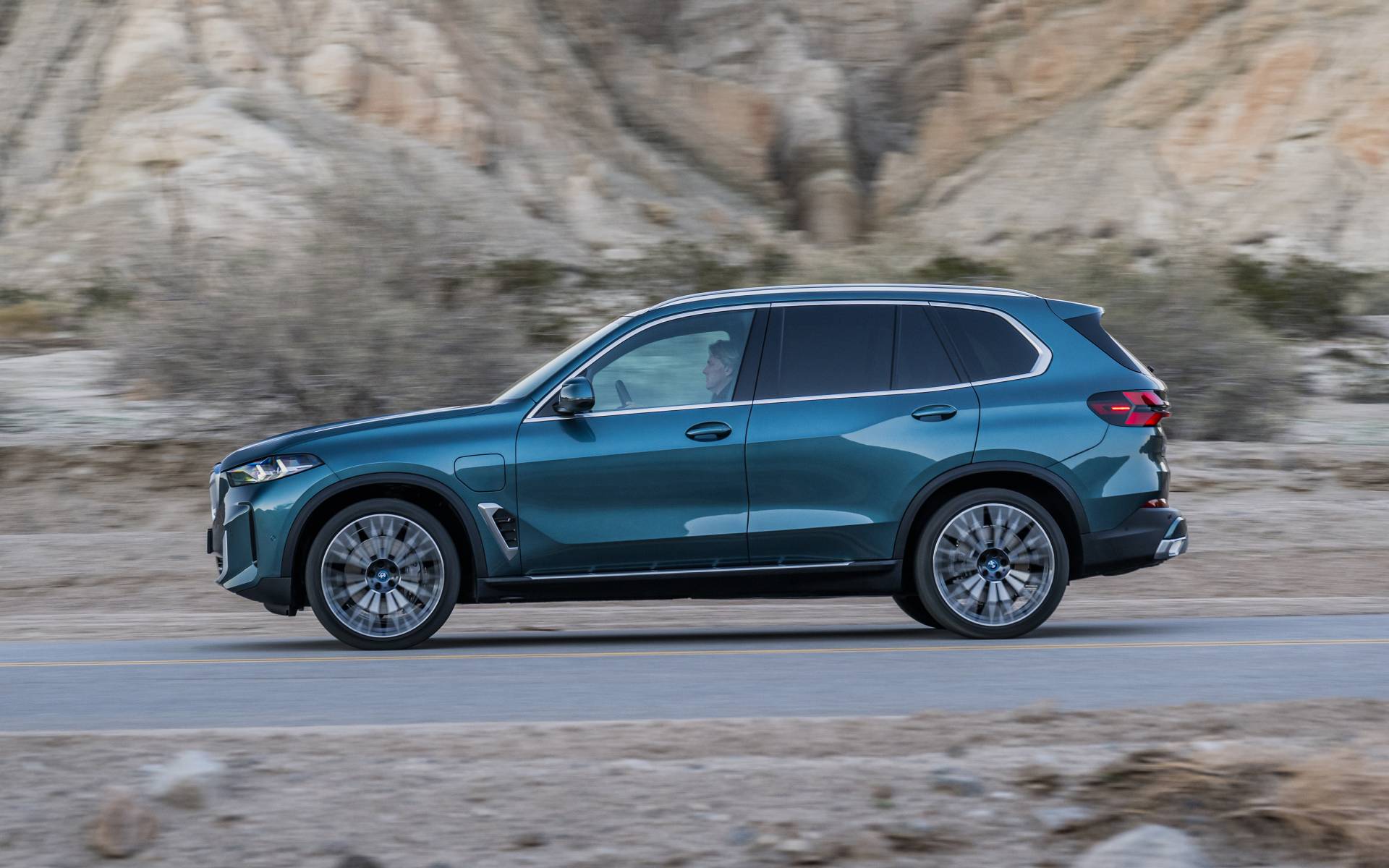
And it's not just China that would benefit: North America also seems to be part of the scenarios considered by BMW, again according to Bloomberg.
Although BMW is keeping quiet on the topic, a spokesperson has told the website that the company is “continuously analyzing usage patterns, customer needs and market developments and reviewing the market potential of various technologies.”
Right now, there are no electric vehicles with range extenders available in Canada or the U.S., but some are on the way, notably in the Jeep Grand Wagoneer and Ram 1500 lineups, not to mention the upcoming Scout Traveler and Terra (from the Volkswagen Group). Hyundai also plans to launch a few starting in 2027, although their availability in North America is not yet confirmed. The same is true for Ford, which is said to be working on range-extending EV variants of SUVs, crossovers and pickups including the Super Duty.
Going back to BMW, electric versions of the X5 and X7 are planned. Last June, Wards Auto confirmed that the future iX5 and iX7 (as they will likely be called) will be assembled in the same Spartanburg, South Carolina plant as their gasoline-powered counterparts, thanks to a $1 billion USD investment to prepare the facilities and an additional $700 million for a new battery plant nearby.
The next-generation BMW X5 is slated to enter production in summer 2026 as a 2027 model. Still based on the CLAR platform, it will inherit several technologies from the Neue Klasse, including a completely new digital cockpit with a panoramic head-up display. Meanwhile, the redesigned BMW X7 is expected in 2027, likely as a 2028 model, using essentially the same formula as the X5's.