2027 BMW iX3 50 xDrive: Neue Klasse Off to a Good Start
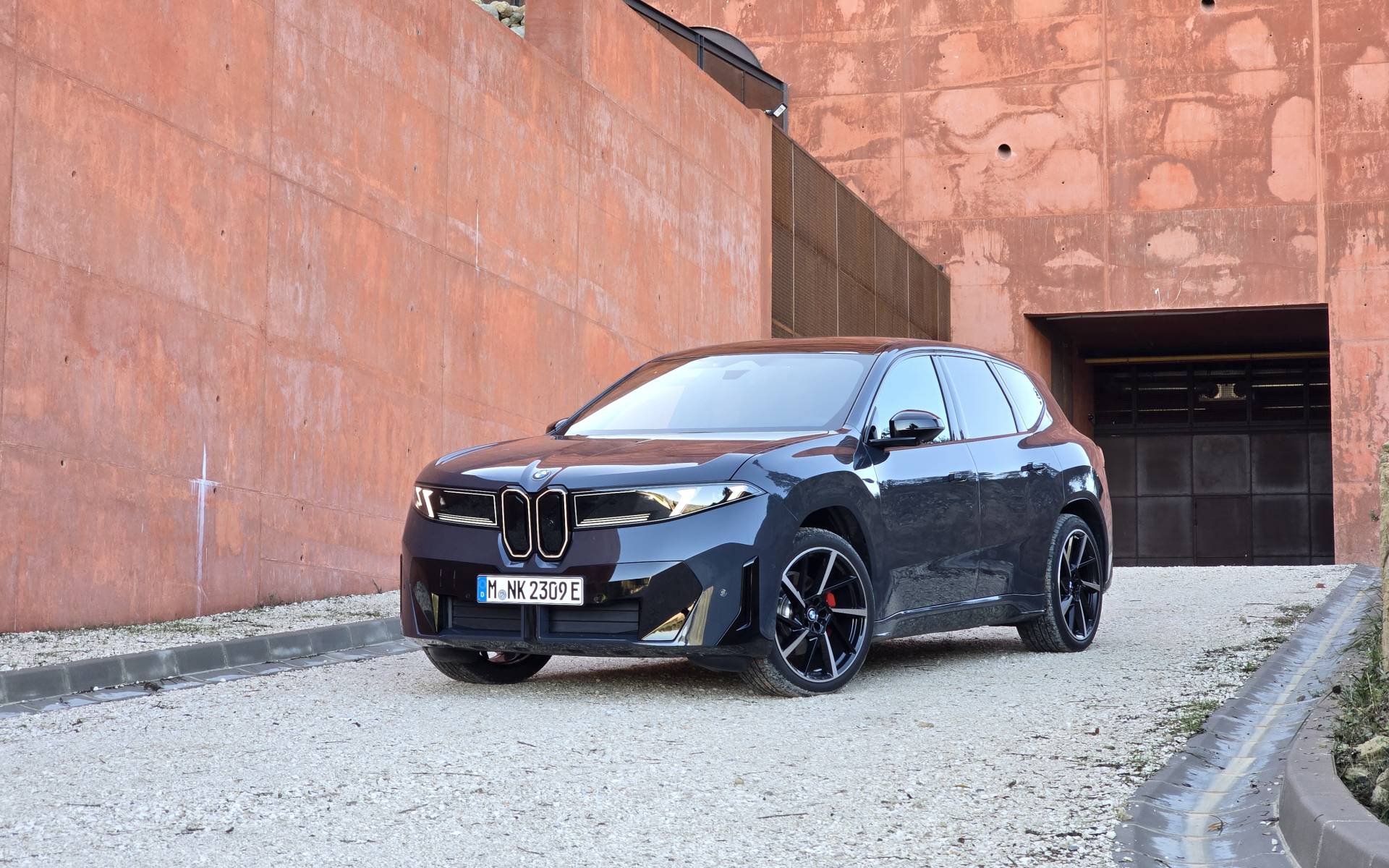
The all-new 2027 BMW iX3 50 xDrive is the first member of BMW’s Neue Klasse family. It is the culmination of a long process that began several years ago with the goal of developing a next generation of vehicles that will dictate the future of BMW cars and SUVs, both aesthetically and technologically.
After sampling one of the first prototypes of the Neue Klasse and attending the official debut of the iX3 50 xDrive, The Car Guide finally had the opportunity to test drive the production model of this all-electric crossover that will soon be headed to Canada.
- Also: 2026 BMW iX3: Five Things to Know
- Also: Upcoming BMW i3 Teased Alongside Brand New iX3 Crossover
Clever Mix of Digital and Analogue Tech
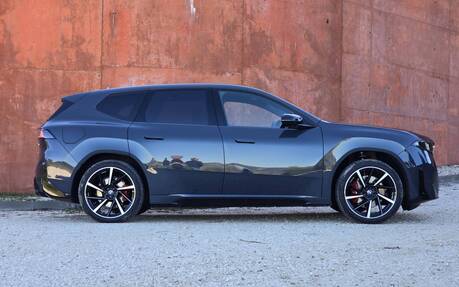
BMW’s modern vision for electrification initially came to life with the i4 compact sedan. More dynamic and responsive than a Tesla Model 3 and less flashy than a Hyundai Ioniq 6, the i4 essentially retained the looks and much of the feel of a typical German sedan, while incorporating a fully electric powertrain. We could say almost the same thing about the iX midsize SUV. Now, the Neue Klasse—embodied by the new iX3—leverages all the lessons BMW has learned during its initial forays into electric vehicles.
If you like numbers, consider these: the iX3 50 xDrive is equipped with two electric motors that produce a combined 464 horsepower and 476 lb-ft of torque. More specifically, the front drive unit is an asynchronous motor (ASM), while the more powerful rear unit is an electrically excited synchronous motor (EESM), reflecting BMW's RWD-first approach. These sixth-generation motors are 10% lighter and 40% more energy-efficient than their predecessors featured in the i4 and iX.
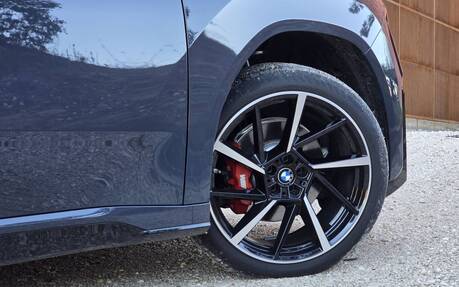
They are supported by an 800V architecture built around a 108.7kWh battery. The latter boasts maximum DC charging capacity of 400 kW, allowing it to fully recharge in less than 30 minutes under ideal conditions. This new pack is lighter, more energy-dense and better conditioned than any previous one from BMW.
On the road, the motors operate at extremely high speeds to deliver the kind of performance that is more than adequate for a vehicle of this size. They are expertly managed by one of the four supercomputers that form the iX3’s so-called "Heart of Joy," the sole purpose of which is to provide an enhanced driving experience.
In practical terms, this electronic brain calculates torque distribution, regenerative braking and steering on a millisecond basis to improve handling and increase control when exiting corners. On Spain’s highly demanding Circuito Ascari where we were able to push the iX3, we found not only that the iX3 provides beautiful assist with corner entry, but also that its systems are not intrusive beyond the apex, giving enthusiastic drivers plenty of freedom.
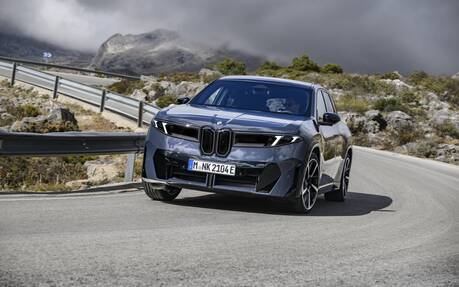
Ironically, despite the presence of these advanced computers and digital systems, BMW engineers have gone analogue in one critical area. While an air suspension is often best to mask the weight of an electric vehicle, they gave the iX3 a good old-fashioned mechanical suspension. And you know what? It works. The setup has a remarkable ability to control the crossover's substantial weight and keep body roll in check.
We can see not only the expertise of BMW's chassis engineers, but also a desire to preserve a mechanical feel that fosters a close relationship between the driver and the vehicle. As an added bonus, a traditional suspension system is more durable and less expensive to replace.
As far as energy consumption goes, we achieved a combined 23.4 kWh/100 km during dynamic driving on the road (excluding track use). While the company estimates a maximum range of 643 km, our iX3 tester would have covered slightly less than 500 km at this rate. And in case you’re wondering about towing capacity, the iX3 is good for up to 2,000 kg.
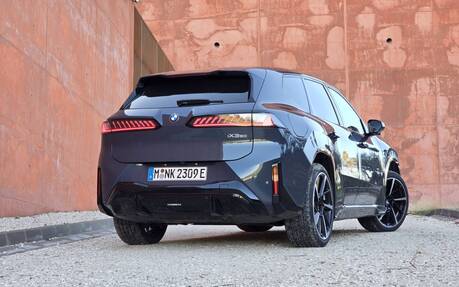
Clean and Highly Configurable Interior
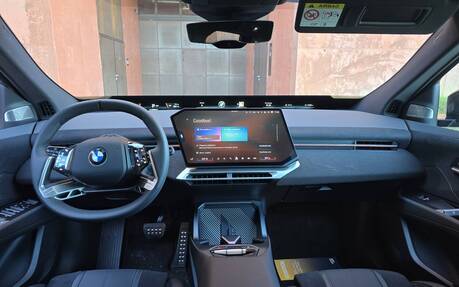
The interior designers of the BMW iX3 50 xDrive have opted for understated elegance rather than ostentatious luxury. As you can see, the dashboard is dominated by a 17.9-inch touchscreen that’s oriented toward the driver and positioned near the steering wheel for easy access and ergonomic use.
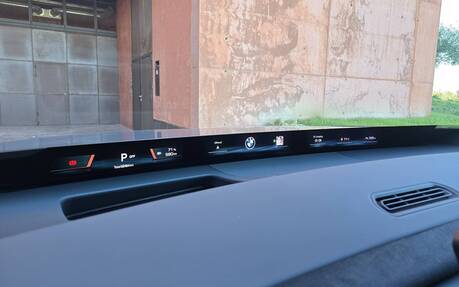
There’s no traditional instrument cluster in front of the steering wheel. Instead, the iX3 features BMW Panoramic Vision, which is a pillar-to-pillar head-up display in the lower part of the windshield. Surprisingly, it doesn’t obstruct the driver's field of vision. What’s more, content is fully configurable by the driver through the touchscreen. By the way, a conventional head-up display is also available, but we preferred to turn it off due to redundant information.
BMW's smartphone app also offers a ton of features for the driver and passengers. For example, it's possible to remotely park the vehicle using your phone or grant a passenger access to navigation and media streaming data while driving. This last feature is further proof that cars don’t need an expensive display just for the front passenger. Other German automakers seem to disagree, but we applaud BMW.
On the flip side, the lack of physical controls in the cabin is too bad. While the infotainment system interface is clear and comprehensive, the climate controls should be more easily and more quickly accessible to the driver. Another complaint inside the iX3 is the size of the A-pillars, compromising visibility in certain situations. You can blame the speakers mounted on these pillars. Elsewhere, cargo space in the trunk is 520 litres based on Euro specs.
Next Up: i3
The Neue Klasse first took shape with a sedan concept that simultaneously hinted at BMW’s future while borrowing some classic elements from the automaker’s past—a nifty combination that rivals should take a page from.
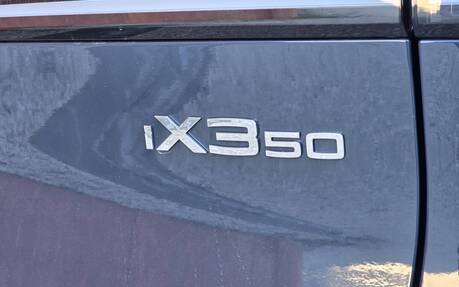
Ultimately, the 2027 BMW iX3 50 xDrive proves to be a rather successful testament to the Bavarian company’s “Ultimate Driving Machine” expertise and ability to address the many challenges of next-generation EV technology.
Of course, the iX3 is just the first in the lineup. BMW plans to add other SUVs as well as sports cars and sedans in the future. The new i3, for one, is expected to debut next spring. And based on our initial experience with the iX3, we can't wait to see what's next!
Watch: BMW Unveils All-New iX3 in Munich
| Test drive report | |
| Test model | N/A |
|---|---|
| Trim level | N/A |
| Price range | N/A |
| Price as tested | N/A |
| Warranty (basic) | N/A |
| Warranty (powertrain) | N/A |
| Fuel economy (city/highway/observed) | N/A |
| Options | N/A |
| Competitive models | N/A |
| Strong points |
|
| Weak points |
|
| Editor's rating | |
| Fuel economy | Our tester achieved a combined 23.4 kWh/100 km in highly spirited driving, which is efficient enough. |
| Comfort | The seats are quite comfortable and there’s decent space in the rear. |
| Performance | The two electric motors deliver ample power. |
| Infotainment | The infotainment system has it all and is supported by a useful panoramic head-up display, but the HVAC controls should be physical. |
| Driving | BMW’s engineers have done everything possible to ensure a pleasant and responsive driving experience in an electric crossover. |
| Overall | We are very much looking forward to meeting the other members of Neue Klasse. |