Five Things to Know About the 2026 Toyota Tundra
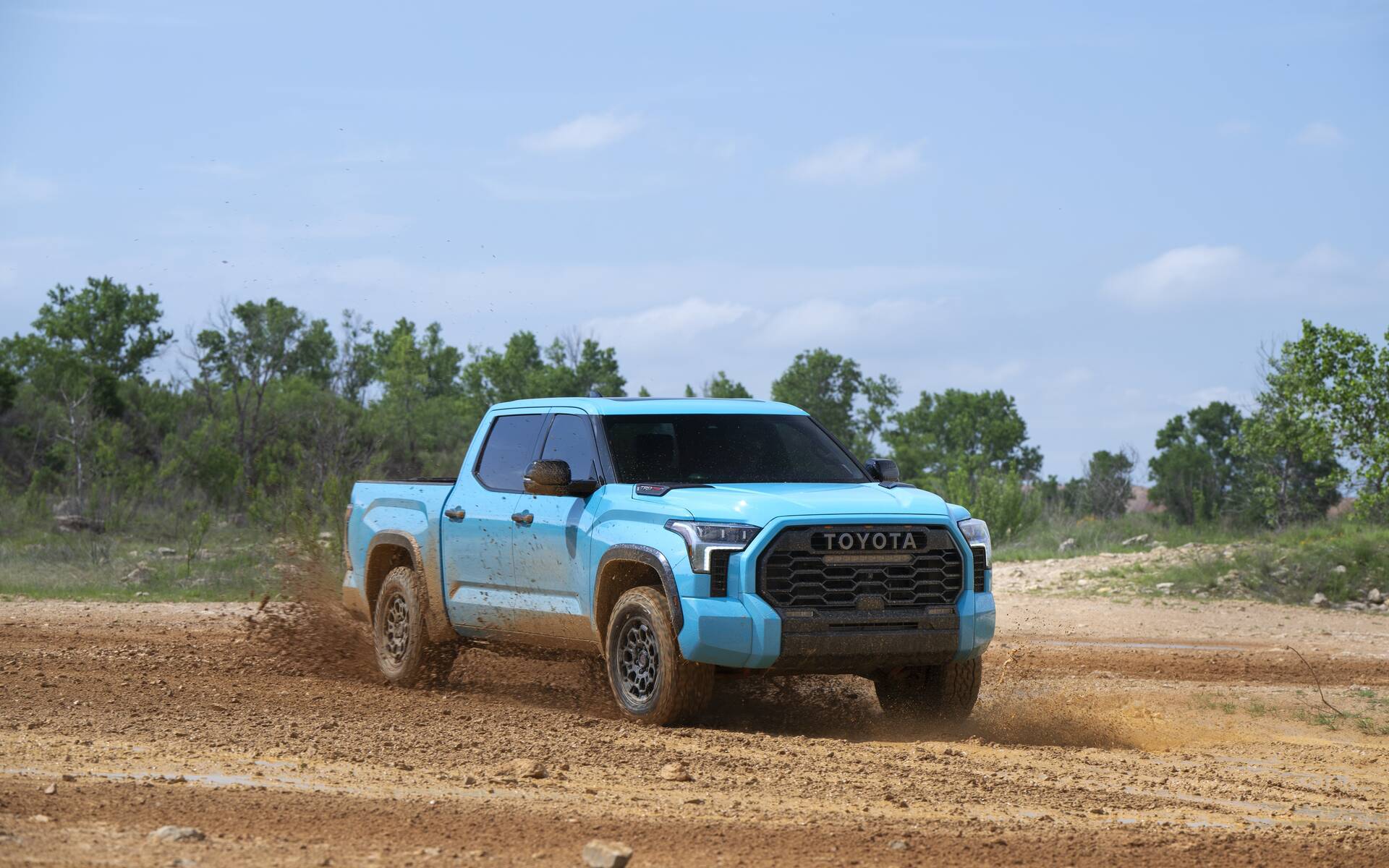
Although less popular than the segment-leading American pickup trucks, the Toyota Tundra still saw its sales climb 20% in Canada last year. To stay current, the vehicle has undergone slight changes for the 2026 model year.
Here are five things you should know about it:
- Also: 45,000 Toyota Tundras Recalled in Canada, Reverse Lamps to Blame
- Also: New Study Reveals Fastest and Slowest Depreciating 5-Year-Old Vehicles
1. New colors on the menu
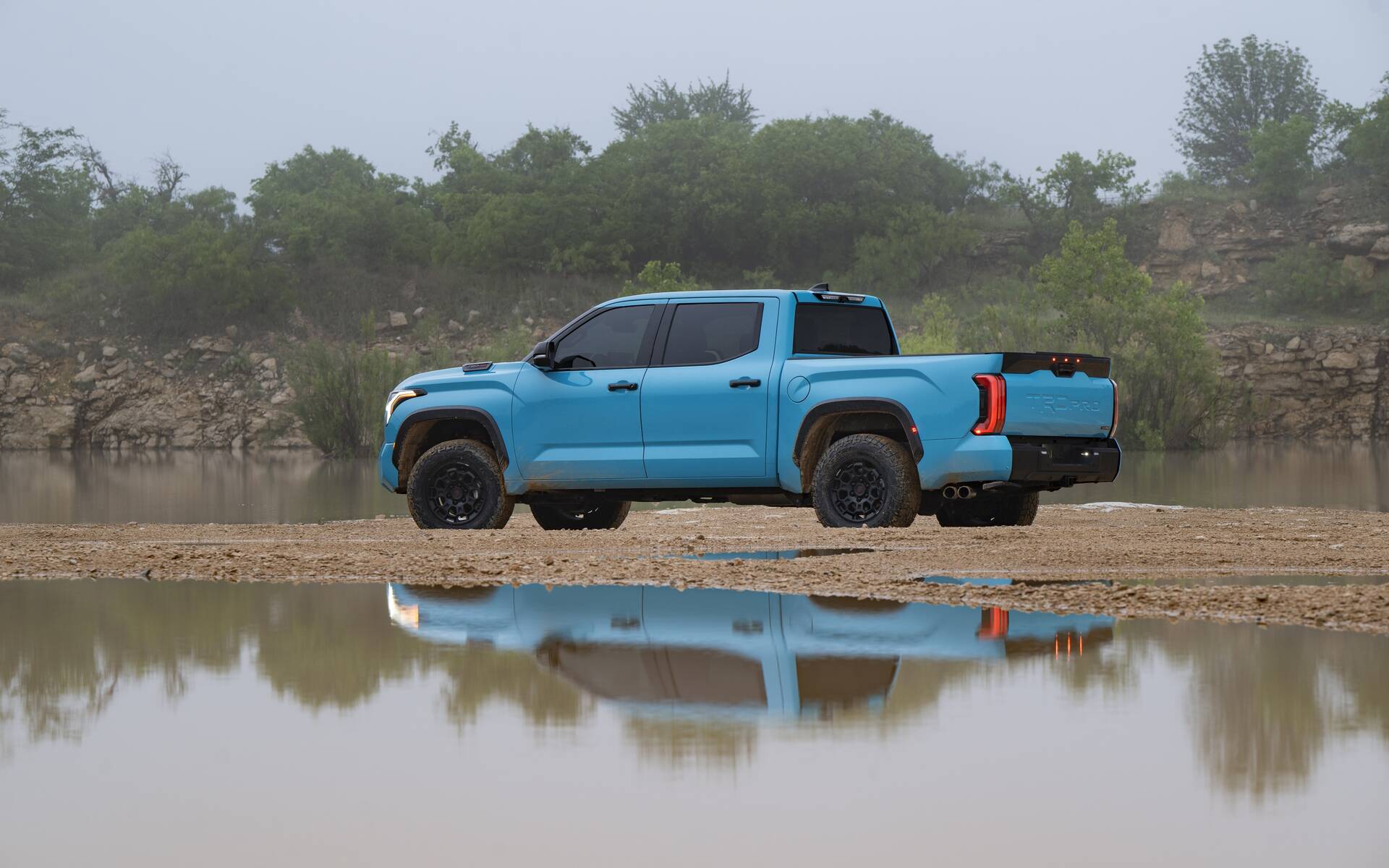
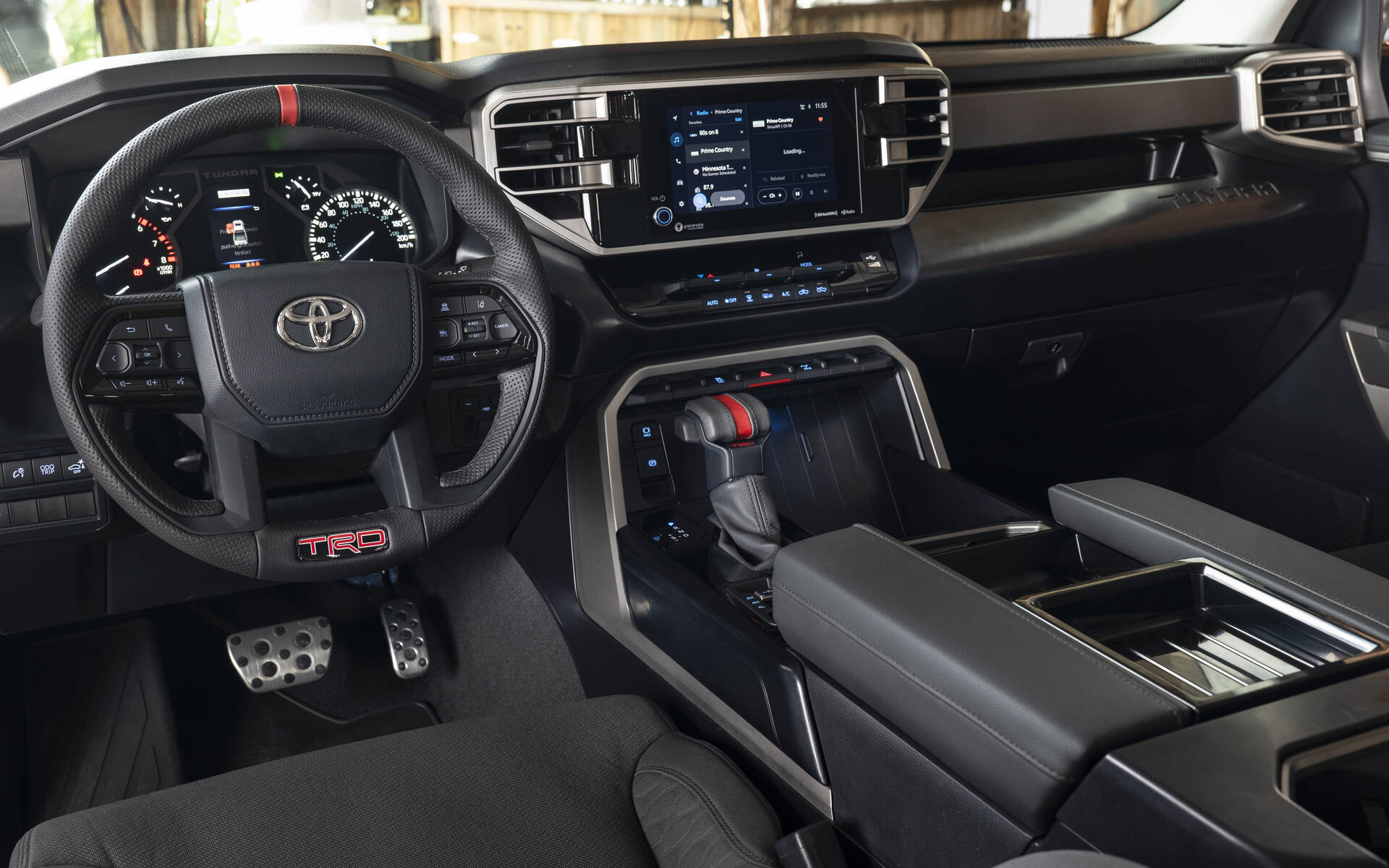
Toyota has revamped its color palette for the 2026 Tundra. The TRD Off-Road version comes in a brown shade called mud bath, which fits the rugged version’s character. Inside, the high-end Capstone models can also be fitted with a mottled gray interior. But if you want to stand out from the white and gray vehicles on the road, the new wave blue color reserved for the TRD Pro model is undoubtedly the most extravagant. If you're shopping for another model in the Toyota lineup, keep in mind that the TRD Pro versions of the 4Runner, Tacoma, and Sequoia can also be painted the same color.
2. Toyota offers 37 different versions
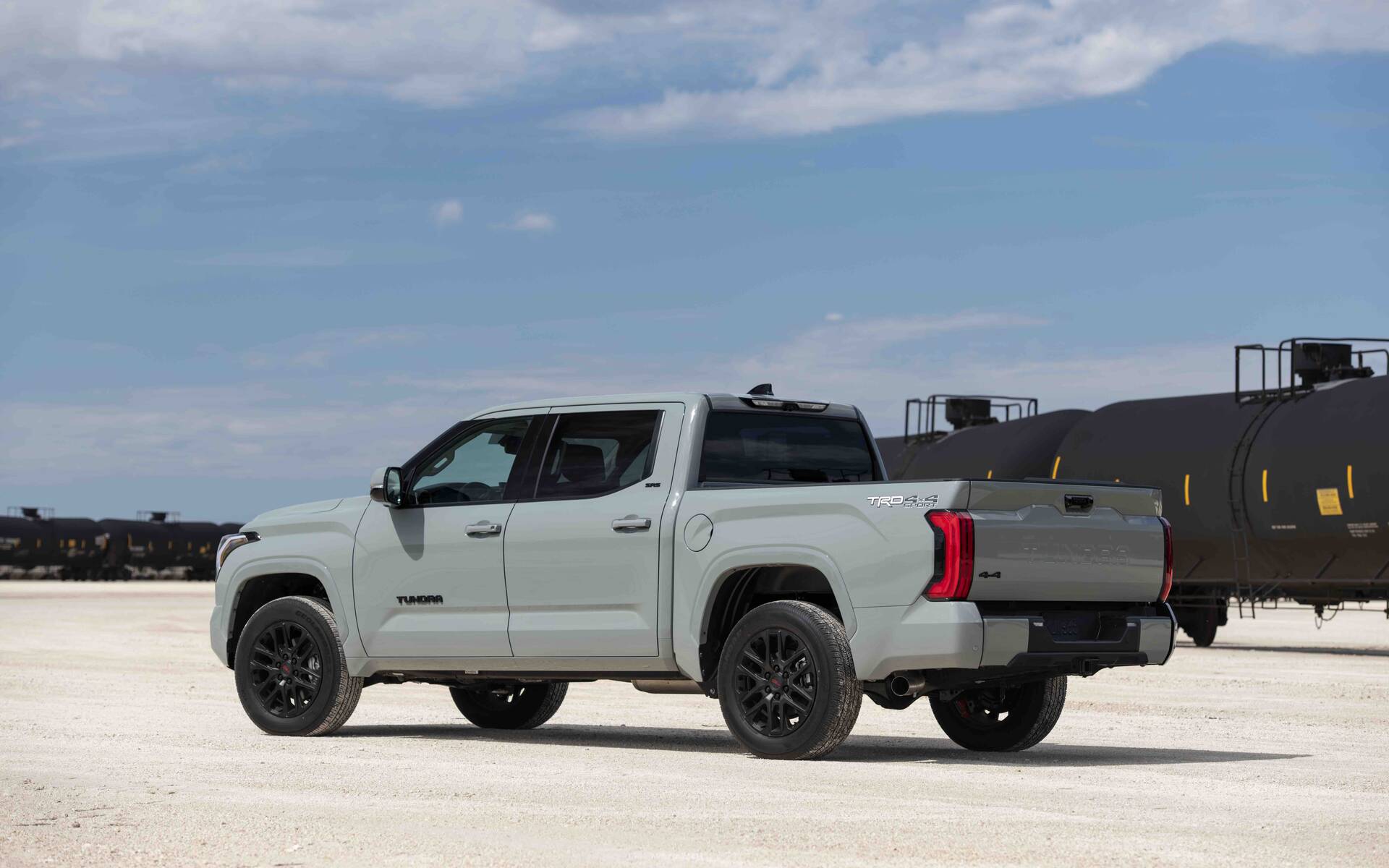
Toyota offers 37 different versions and models of its Tundra. Although the choice is more limited than with American models, you can still choose between two different cabs to maximize cargo space (Double Cab) or rear passenger space (CrewMax), two bed lengths (6.5 or 8.1 feet), and gasoline or hybrid engines (see below). Finally, note that the Limited and SR5 Double Cab models with long beds come with leather upholstery as standard.
3. Two engines, three different versions
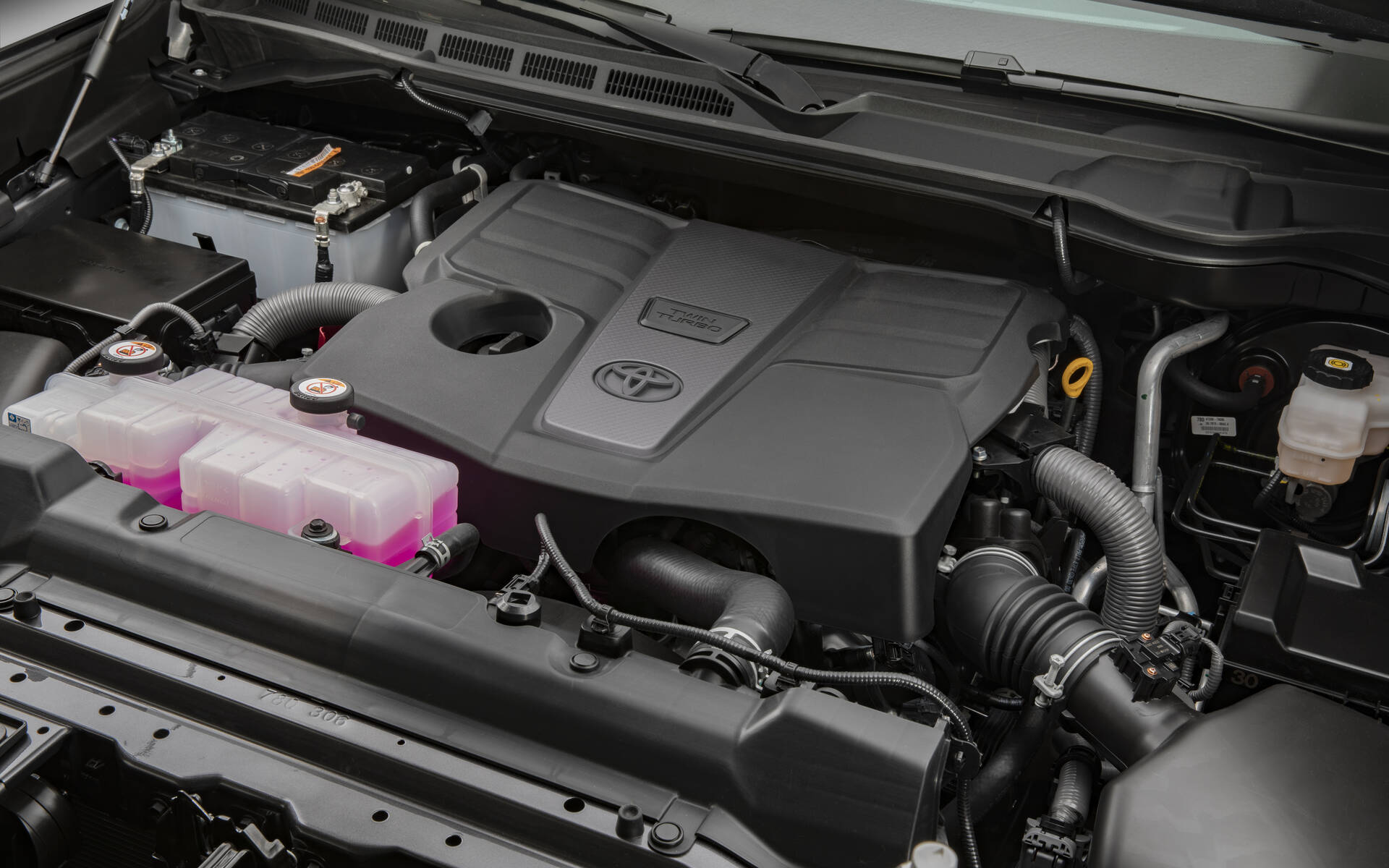
The Tundra can be equipped with a 3.4-litre V6 gasoline engine developing 348 horsepower and 405 lb-ft of torque in the base SR model. This is also the only model that can be ordered with rear-wheel drive. For the other gasoline versions, the same engine delivers more impressive performance (389 horsepower/479 lb-ft of torque) for those who want more power. By adding an electric motor to this same twin-turbo V6, Toyota manages to extract even more power and torque, with a combined 437 horsepower and 583 lb-ft of torque. All engines are paired with a 10-speed automatic transmission, which transfers power from the engine to all four wheels (4x4 drivetrain).
4. A larger fuel tank for the Tundra SR
Although the new twin-turbo V6 gasoline engine consumes less fuel than the old V8, a truck of this size is still quite thirsty. In fact, the average fuel consumption of the non-hybrid Tundra ranges from 12 to 12.4 L/100 km, depending on the engine and drivetrain selected. To improve the range of the SR versions, the fuel tank now holds 122 litres, like the other versions. This is a significant improvement, as the old Tundra SR could only hold 85 liters of fuel.
5. How much does it cost?
The base SR Double Cab model with rear-wheel drive and a 6.5-foot bed starts at $54,340 (MSRP), while the long bed adds $500. As for 4x4 models, you'll have to pay at least $57,640 for a Tundra SR with a regular bed and $63,071 for a TRD Pro. The models with the most cabin space (CrewMax) start at $59,858 with the shortest bed, while the TRD Off-Road model has a base price of $65,016. Finally, if you want to opt for the hybrid engine, you'll have to choose the Crew Max cab and sign a check for at least $75,975.