2028 Mercedes-Benz Sprinter: What to Expect From the Next Generation

Not so long ago, the commercial van segment was largely dominated by the Big Three in North America. But that dynamic shifted when the automaker with the silver star broke into this American stronghold. In fact, the Mercedes-Benz Sprinter alone has transformed the market since launching on this side of the Atlantic.
Fourth Generation on the Way
Introduced in 2019 in North America, the third-generation Sprinter is due for an overhaul. The German automaker recently invited a select group of automotive journalists to preview the first details surrounding the arrival of the fourth generation, scheduled for 2026. In theory, the next Sprinter should reach our shores sometime in 2027, likely as a 2028 model. The official reveal is planned for mid-2026, with European sales beginning toward the end of next year.
- Also: The 2024 Mercedes-Benz eSprinter is an Electrified Workhorse
- Also: 2023 Mercedes-Benz Sprinter: Vanlife, Elevated
We were able to spend a few minutes with this future Sprinter, which at first glance appeared more robust with a broader stance on the road. Actually, it was through a sculpture called The Boulder that Mercedes-Benz presented the new silhouette of the world’s most iconic commercial van, since taking photos of the prototype itself was not allowed.

Carved from a massive block of composite material, this 6.5-metre-long, 2.75-metre-high sculpture embodies strength, durability and versatility—all hallmarks of the brand’s commercial vehicle legacy. At first glance, one can already tell the front grille will be larger, a design trait spreading across the brand’s newest models, including the GLC compact SUV.
The hood design looks like that of the outgoing model, though seemingly less steep—somewhat reminiscent of the discontinued Nissan NV. The rest of the silhouette—the sculpture depicted a high-roof variant—closely mirrors the outgoing generation, save for one key change: the design and location of the taillights. We’ll leave it at that for now.

A Smarter, More Capable Sprinter
The upcoming generation marks a major leap forward for the German van. Built on an entirely new architecture, the next Sprinter will blend efficiency, connectivity and intelligence, which are the auto industry’s favourite buzzwords of late. Starting in 2026, Mercedes-Benz will introduce the VAN.EA platform (Van Electric Architecture) dedicated to fully electric models, followed by VAN.CA (Van Combustion Architecture) for internal combustion versions.
Future Sprinters will therefore offer a wide range of powertrains—at least one electric and one combustion option for our market—along with various wheelbase lengths and payload capacities. These will suit everything from urban delivery and refrigerated transport to emergency services, construction and leisure applications.
Whether these large vans will be offered with multiple rows of seats remains uncertain at this stage. With the upcoming VLE and VLS lineups in North America, the brand aims to deliver a comfort-oriented experience. Still, one might wonder: will it be possible to transform the next-generation Sprinter—which will differ entirely from the two smaller vans—into, say, an airport limousine?
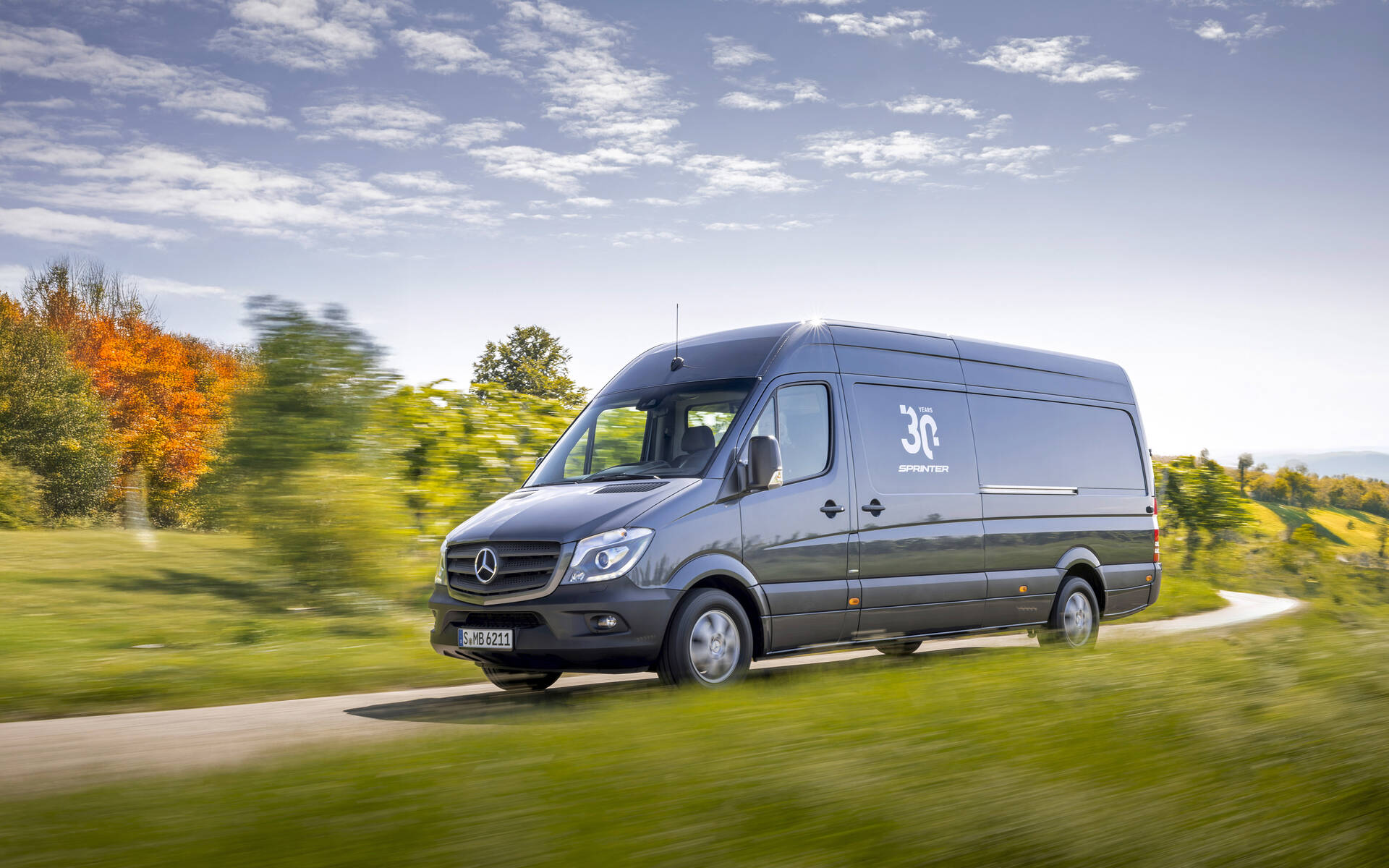
“The next generation of our vans will focus on connectivity, innovative drivetrains and advanced digital services. The future Sprinter will be more than ever the benchmark in its segment,” said Andreas Zygan, Head of Development at Mercedes-Benz Vans.
The upcoming Sprinter models will also be the most intelligent vans ever built by the brand. They will adopt MB.OS, Mercedes-Benz’s proprietary operating system, enabling fully integrated control of vehicle functions—from infotainment to charging—along with over-the-air updates, just like a smart device.
Thanks to artificial intelligence and a “chip-to-cloud” architecture, these vans will remain technologically current for years to come. MB.OS will also make it easy to integrate third-party apps, including fleet management tools, navigation systems and personalized services.
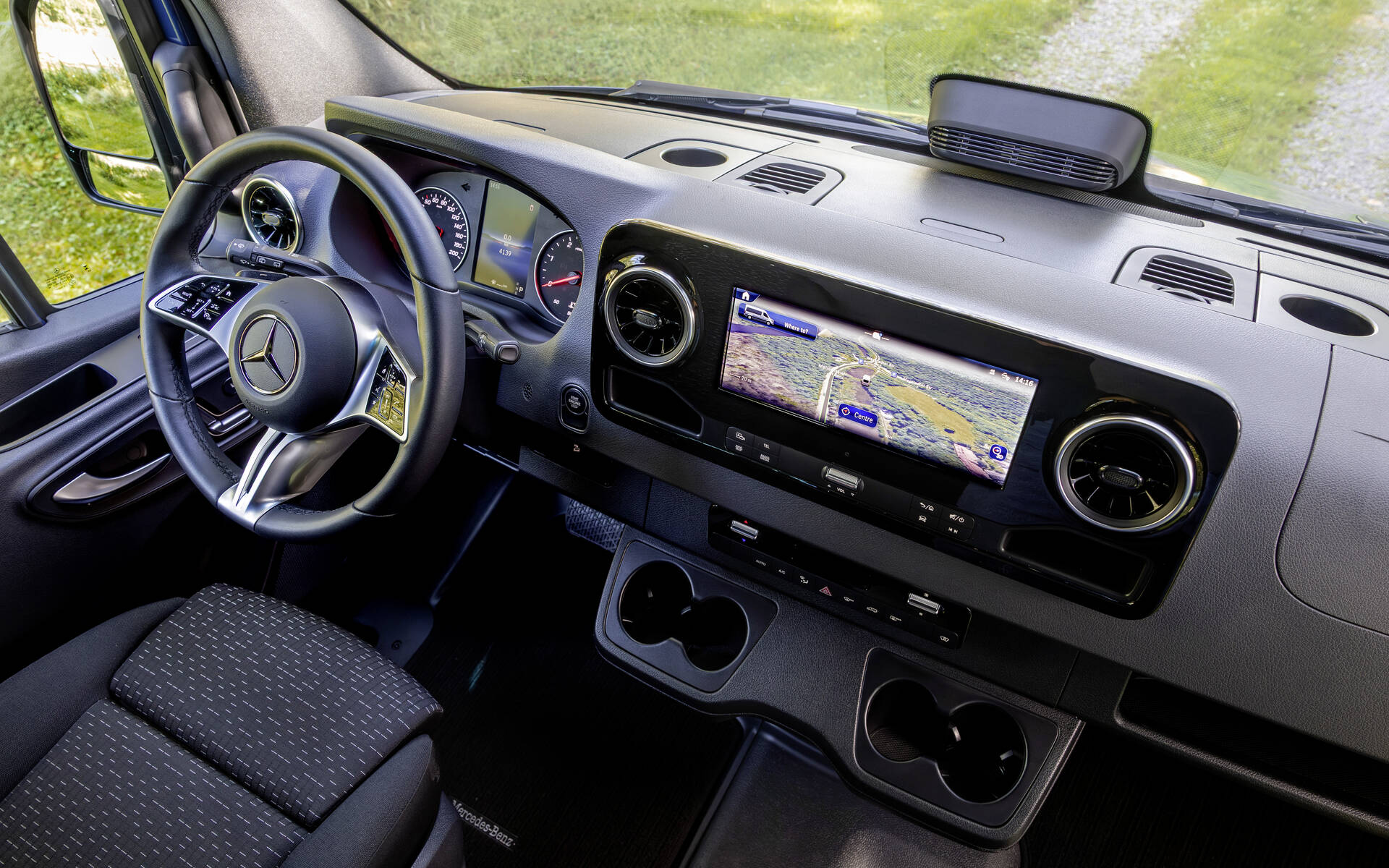
The Mercedes-Benz interface itself will remain familiar to loyal customers. Starting in 2026, this digital backbone will gradually be introduced across the entire lineup, with the CLA coupe-sedan being the first passenger car to receive it.
Sprinter, 30 years Later
While the story technically begins in 1896—when Carl Benz designed the first motorized delivery vehicles, including a closed van derived from the Benz Victoria and a lighter version based on the Benz Velociped—it was in the mid-1990s that the German automaker truly redefined the commercial van landscape. It’s also when the Sprinter nameplate officially appeared, in 1995, across Europe.
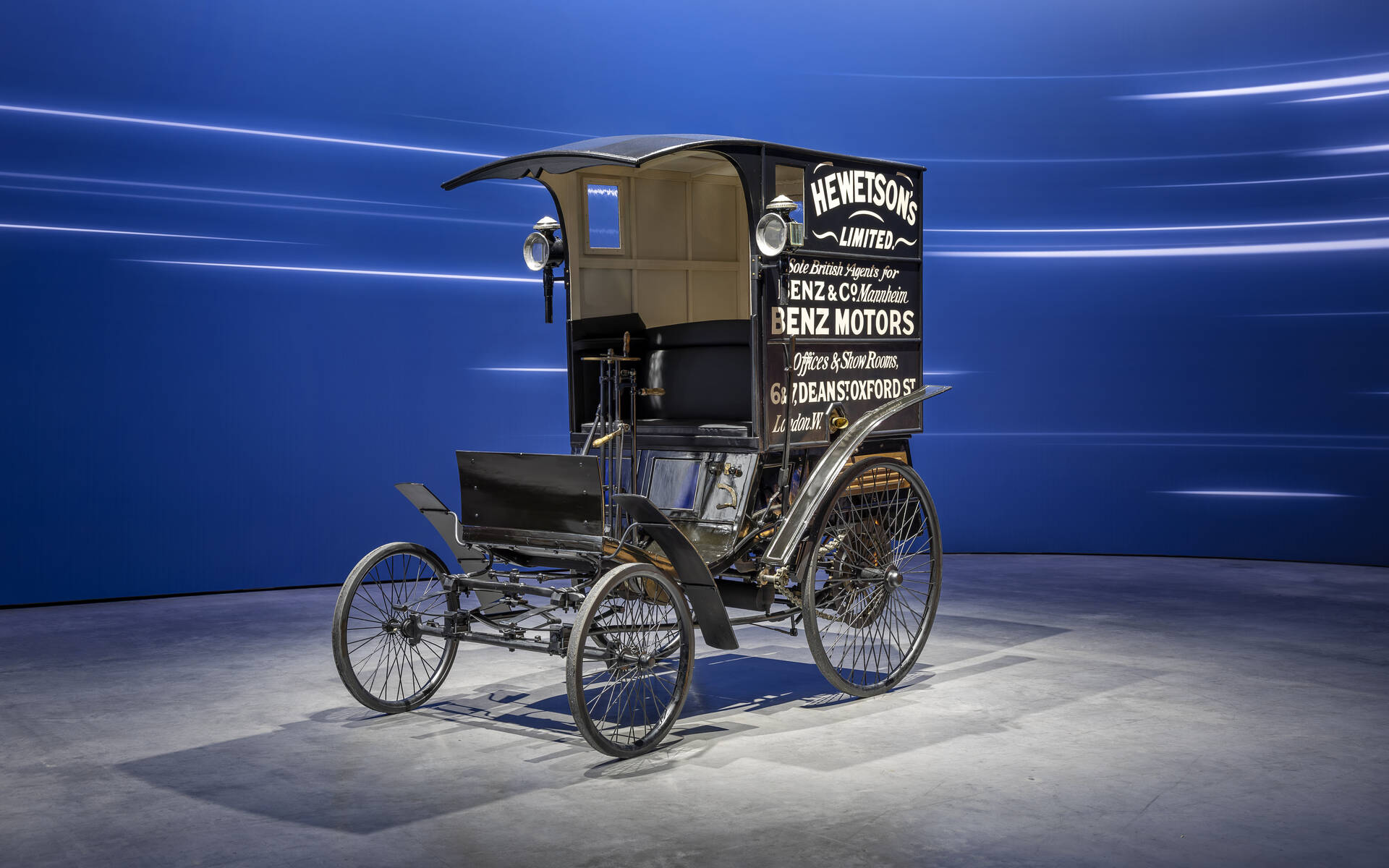
Launched a full century after the world’s first delivery vans, the Sprinter quickly proved itself as the ideal urban transporter. Straddling the line between passenger car and heavy-duty truck, it has become indispensable in today’s world of e-commerce and home delivery.
Commercial uses are countless. In fact, I personally rode in an older Mercedes-Benz Sprinter while changing planes during my return trip—a much-needed backup after a major flight delay between Stuttgart and Zurich. Without it, my European stay would have been considerably longer.
Over the past 30 years, more than five million units have been produced in countless configurations, from ambulances and delivery vans to luxury shuttles, refrigerated trucks, tradesmen’s vehicles and RVs.
To understand just how beloved it is in Europe, Mercedes-Benz claims the Sprinter enjoys a 77% repurchase rate. And it’s easy to see why: with so many configurations available overseas, its appeal is undeniable. North American competitors including the Ford Transit, Ram ProMaster, Chevrolet Express and GMC Savana sure are fierce, but the Sprinter still earns its rightful place on our roads, even if the acquisition cost remains on the higher side.